березень 29, 2026
Unlock Your Creativity: How Image Generators Are Transforming Visual Art
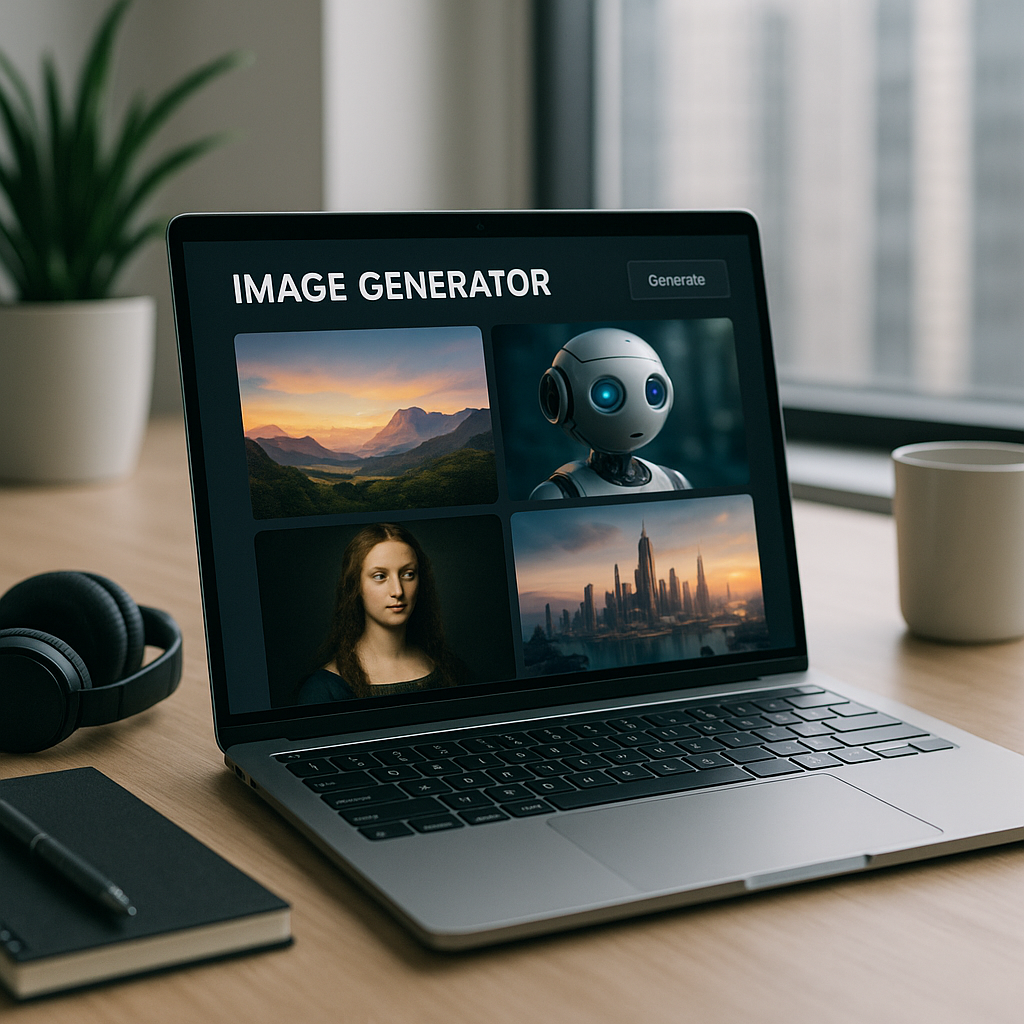
Image Generators
In the rapidly evolving landscape of artificial intelligence, image generators are at the forefront, transforming the way we create and consume visual content. These sophisticated tools leverage deep learning algorithms to produce images based on textual descriptions, allowing users to generate unique visuals with unprecedented ease and speed. The implications of this technology span various industries, from advertising and entertainment to education and art, raising both excitement and concern about its impact on creativity and authenticity.
At the heart of image generation is a technology known as Generative Adversarial Networks (GANs). Introduced by Ian Goodfellow and his collaborators in 2014, GANs consist of two neural networks: a generator that creates images and a discriminator that evaluates them. The generator strives to produce images that are indistinguishable from real ones, while the discriminator learns to distinguish between generated and authentic images. This adversarial process continues until the generator produces high-quality images that meet the discriminator's standards. As a result, the output can be remarkably realistic, often blurring the line between genuine and synthetic visuals.
Recently, several image generation platforms have emerged, each boasting unique features and capabilities. For instance, OpenAI’s DALL-E and Stability AI’s Stable Diffusion have garnered significant attention for their ability to generate highly intricate images from simple text prompts. Users can input phrases ranging from “a cat wearing a wizard hat” to “a futuristic city skyline at sunset,” and within seconds, they receive visually stunning representations of their ideas. This ease of use has democratized the creative process, enabling individuals without formal artistic training to produce compelling visuals for personal or professional projects.
The impact of image generators extends beyond individual creativity. In the advertising sector, companies are harnessing these tools to create bespoke marketing materials swiftly. By generating tailored images that resonate with specific target audiences, brands can save time and resources while maintaining a high level of engagement. Furthermore, the ability to test multiple visual concepts in real-time empowers marketers to refine their strategies based on immediate feedback, enhancing overall campaign effectiveness.
Similarly, the entertainment industry is witnessing a revolution as well. Filmmakers and game developers are using image generators to conceptualise characters, settings, and scenes. By generating visual prototypes, creators can explore diverse artistic directions without the need for extensive manual labour. This not only speeds up the development process but also fosters a more experimental approach to storytelling, allowing for innovative narratives that might have been overlooked in traditional creative processes.
However, the rise of image generators is not without its challenges. Concerns regarding copyright infringement and the potential for misuse have become increasingly prominent. As these tools can produce images that closely resemble existing copyrighted works, the question of ownership and originality arises. Creators and legal experts are grappling with how to navigate the murky waters of intellectual property in a world where AI can easily replicate or remix existing content.
Moreover, the potential for misinformation and manipulation is a significant concern. The ability to generate hyper-realistic images raises the risk of creating deepfakes—manipulated images or videos that can mislead viewers. This technology can be weaponised in various ways, from creating false narratives in media to undermining public trust in legitimate sources. As a result, policymakers and technology companies are under pressure to develop ethical guidelines and regulatory frameworks to mitigate these risks while fostering innovation.
In response to these challenges, several organisations are actively working on solutions. Initiatives aimed at watermarking AI-generated content are being explored, allowing audiences to distinguish between genuine and synthetic images. Additionally, some platforms are incorporating usage policies that outline acceptable use cases and prohibit the generation of harmful or misleading content. These measures aim to strike a balance between leveraging the benefits of image generators and safeguarding against their potential drawbacks.
Education is another area where image generators are making a significant impact. Teachers and students are using these tools to create visual aids that enhance learning experiences. For instance, educators can generate illustrations to accompany lesson plans, while students can use image generators for projects and presentations, enriching their understanding of complex concepts through visual representation. This integration of AI into educational settings not only fosters creativity but also prepares learners for a future where digital literacy is paramount.
As image generators continue to evolve, the future of visual content creation remains uncertain yet promising. The technology is likely to become more sophisticated, with advancements in realism and interactivity. Innovations such as 3D image generation and real-time video synthesis may soon become commonplace, further expanding the horizons of what is possible.
In conclusion, image generators represent a significant leap forward in the intersection of technology and creativity. While they offer exciting opportunities for innovation across various sectors, they also present challenges that society must address responsibly. As we navigate this new terrain, it is crucial to foster a dialogue about the ethical implications of AI-generated content, ensuring that we harness its potential while safeguarding against its risks. The future of image generation is bright, but it is up to us to shape it thoughtfully and responsibly.
Recent Posts
Head-to-Head: Comparing Top AI Models in Работа с Нейросетями and Their Impact
червень 16, 2026
Debunking Myths: The Realities of Работа с Нейросетями and AI Models Today
червень 16, 2026
Unlocking Creativity: A Simple Guide to Using Image Generators for Beginners
червень 16, 2026

Maximum Potential
Отримайте повний досвід із планом Pro
ІНФОРМАЦІЯ