лютий 4, 2026
Unlock Your Creativity: How Image Generators Are Transforming Visual Art Today
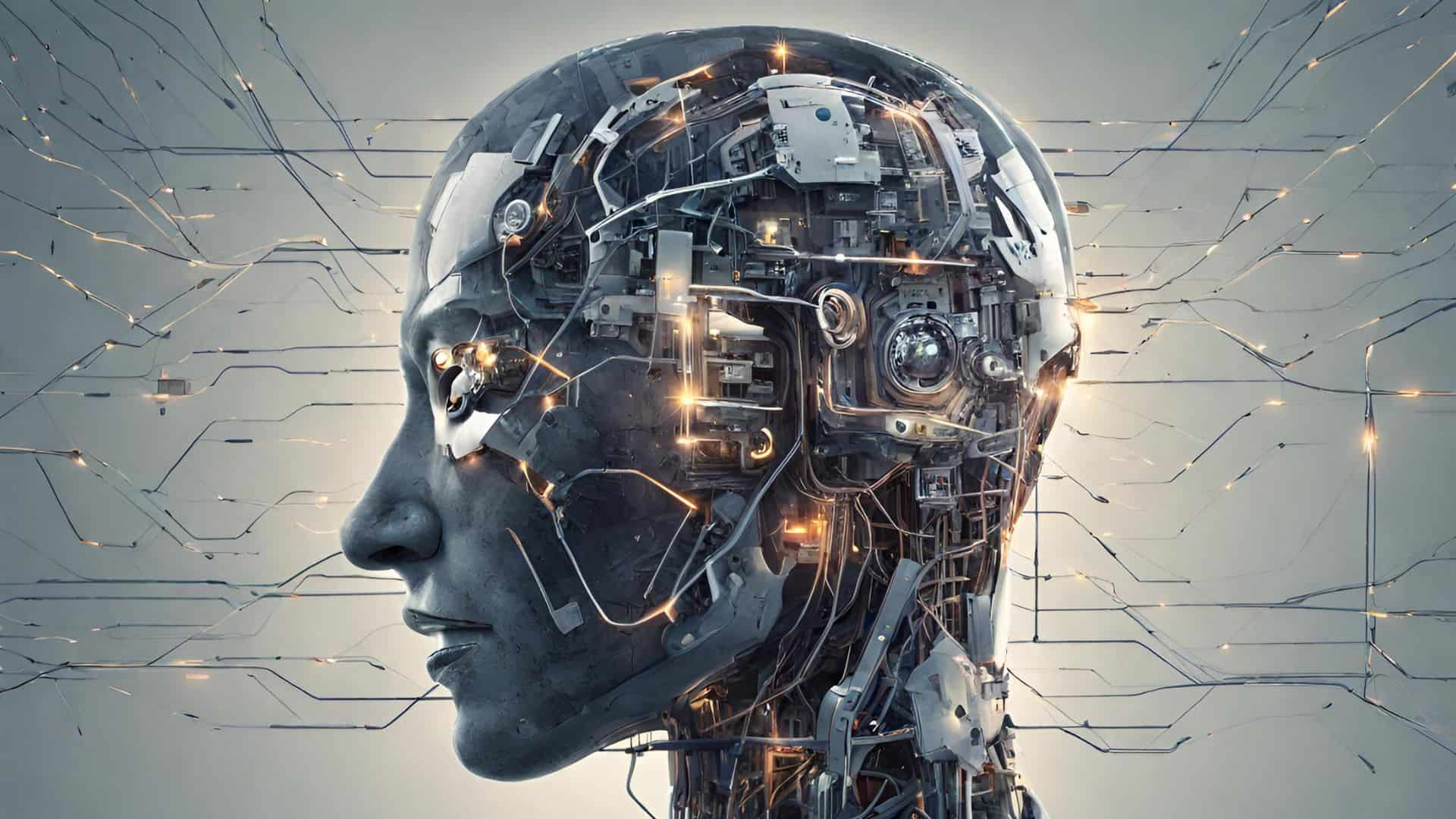
Image Generators
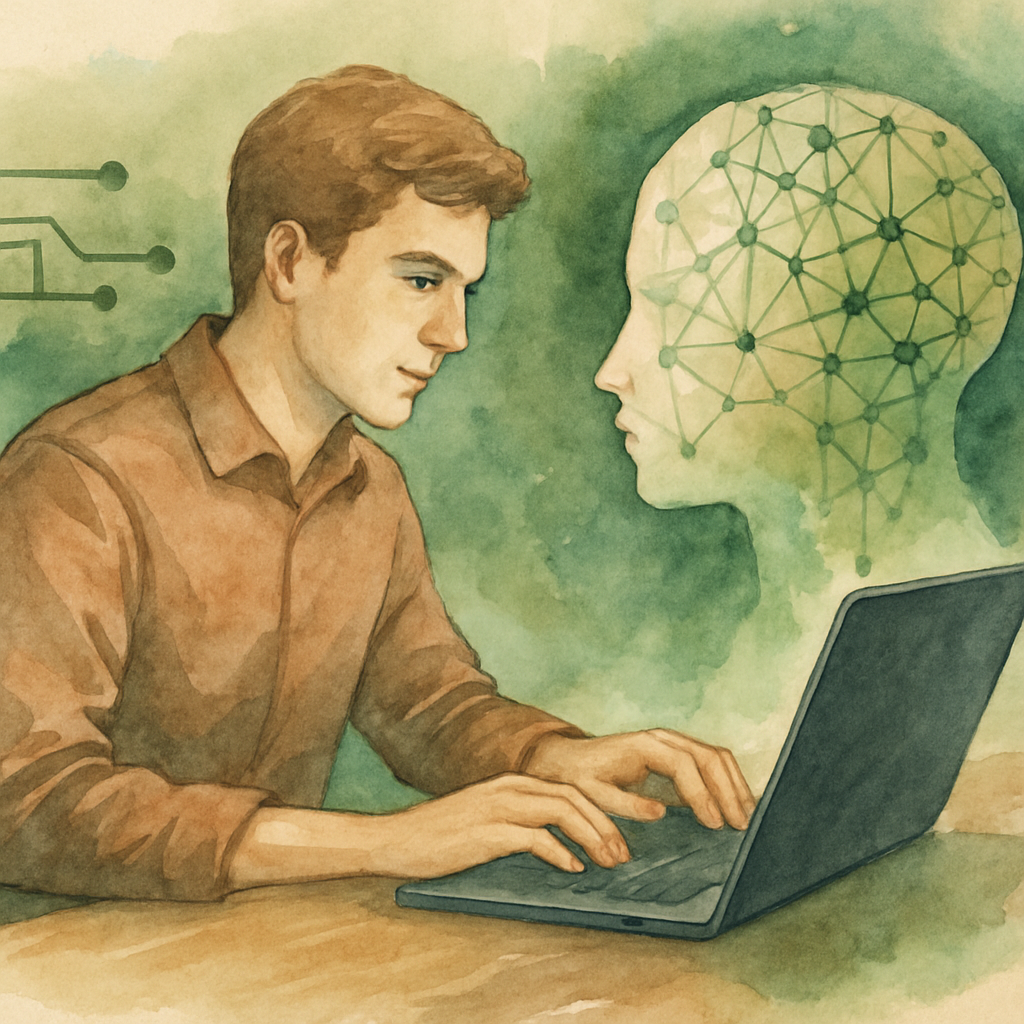
In an era where technology continues to reshape the creative landscape, image generators have emerged as a transformative force in art, design, and media. These sophisticated tools harness the power of artificial intelligence (AI) and machine learning to create original images from simple text prompts or existing images, enabling artists, designers, and casual users alike to explore new realms of creativity.
Image generators employ advanced algorithms trained on vast datasets of images and their corresponding textual descriptions. By analysing this data, these systems learn to understand the relationships between words and visual elements. Consequently, when a user inputs a descriptive phrase, the generator produces a unique image that reflects the specified content. This capability has opened doors for those who may lack traditional artistic skills, allowing them to express their ideas visually with ease.
One of the most popular examples of image generators is OpenAI's DALL-E, which gained significant attention for its ability to create whimsical and surreal images from textual prompts. Following DALL-E's success, several other platforms have emerged, including Midjourney and Stable Diffusion, each offering unique features and styles. As these tools become more widely accessible, they are not only revolutionising how we create images but also raising important questions about copyright, ethics, and the future of creative professions.
As image generators become increasingly sophisticated, they are finding applications across various industries. In marketing and advertising, brands are leveraging these tools to create eye-catching visuals for campaigns without the need for extensive graphic design resources. This not only reduces costs but also accelerates the creative process, allowing businesses to respond quickly to market trends and consumer demands.
In the realm of entertainment, game developers and film studios are exploring the potential of image generators to design characters, environments, and promotional material. By generating concept art rapidly, creative teams can visualise their ideas more effectively, allowing for iterative development and innovation. This application of image generators also extends to the fashion industry, where designers use these tools to prototype clothing and accessories, streamlining the design process while encouraging experimentation.
Education is another area where image generators are making an impact. Educators are utilising these tools as teaching aids, allowing students to visualise complex concepts and engage with learning materials in a more interactive manner. For example, a history teacher might use an image generator to create visual representations of historical events, making lessons more engaging and accessible for students of all ages.
However, the rapid rise of image generators is not without its challenges. One of the most pressing concerns is the issue of copyright. As these tools create images based on existing works, questions arise about the ownership of the generated content. Who holds the rights to an image created by an AI? Is it the user who provided the prompt, the developers of the software, or the original artists whose works informed the AI's learning? These legal ambiguities are prompting discussions among lawmakers, artists, and technologists to establish clear guidelines that protect intellectual property while fostering innovation.
Ethical considerations also come into play with the use of image generators. The potential for misuse is significant, as individuals could create misleading or harmful images that spread misinformation or perpetuate harmful stereotypes. For instance, the generation of deepfake images or manipulative content poses serious risks to individuals and society at large. As a result, there is a growing call for responsible use and regulation of these technologies to mitigate their potential negative consequences.
Additionally, the impact of image generators on traditional artistic professions cannot be overlooked. While some view these tools as a means to democratise creativity, others worry that they may undermine the value of human artistry. As AI-generated images become more prevalent, artists may find it increasingly challenging to compete, leading to a potential devaluation of their skills and contributions. This has sparked debates within the creative community about the role of human creativity in an age of automation and the importance of preserving the unique touch that only human artists can provide.
Despite these challenges, the future of image generators remains bright. Continuous advancements in AI technology are likely to enhance the capabilities of these tools, leading to even more sophisticated and nuanced image generation. As the technology matures, we may see the emergence of hybrid models that combine human creativity with AI efficiency, allowing artists to collaborate with machines in innovative ways.
Moreover, the increasing accessibility of these tools means that more individuals, regardless of their artistic background, can participate in creative endeavours. This shift could lead to a broader appreciation for art and design, as diverse voices contribute to the visual landscape. In this sense, image generators could foster a more inclusive and collaborative creative culture.
As we continue to navigate the evolving landscape of image generators, it is essential to engage in thoughtful discussions about their implications for society. By addressing legal, ethical, and artistic concerns, we can harness the potential of these technologies while ensuring that they serve to enhance rather than diminish the value of human creativity.
In conclusion, image generators represent a significant leap forward in the intersection of technology and creativity. They offer exciting possibilities for artists, businesses, and educators, while also presenting challenges that require careful consideration. As we embrace this new era of digital creativity, it is crucial to strike a balance between innovation and responsibility, ensuring that the tools we create serve to uplift and inspire rather than undermine the very essence of artistic expression.
Recent Posts
Maximum Potential
Отримайте повний досвід із планом Pro
ІНФОРМАЦІЯ