лютий 26, 2026
Unlock Your Creativity: How Image Generators are Transforming Visual Art Today
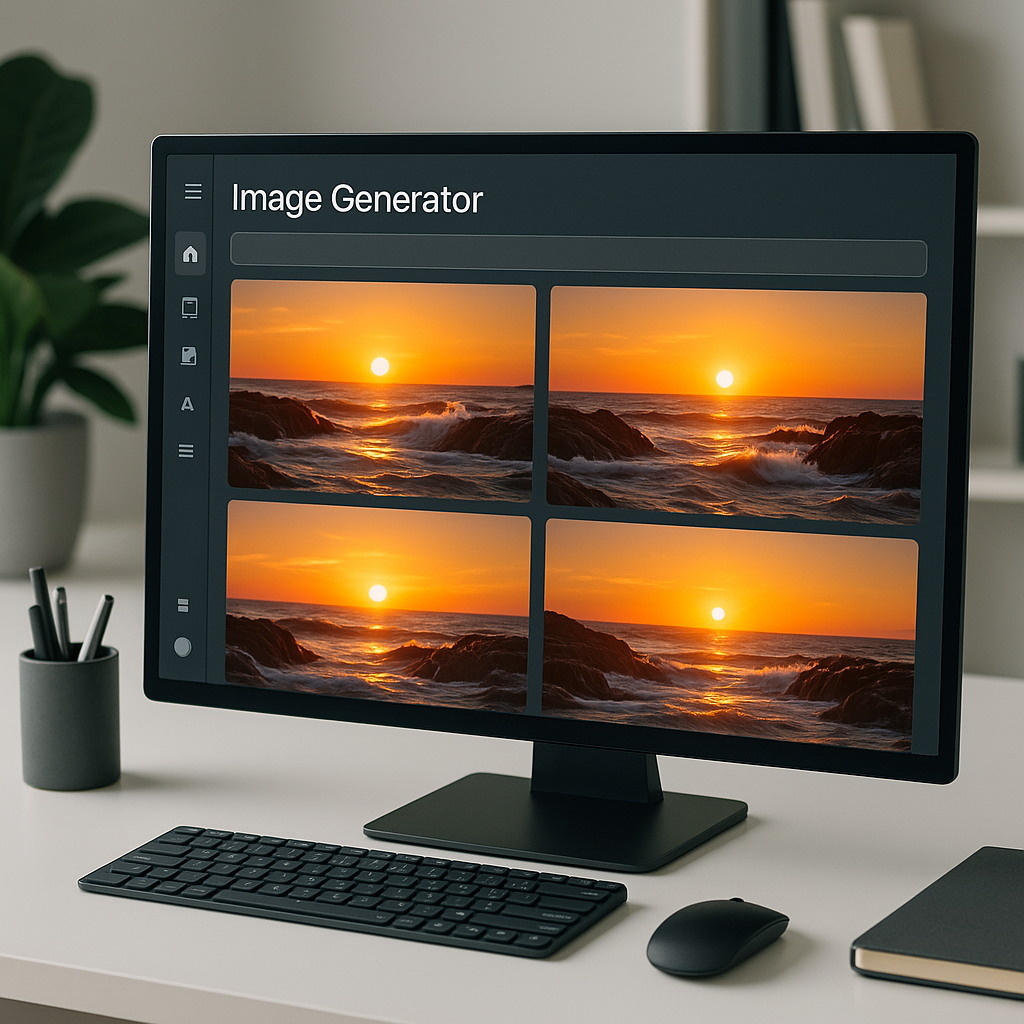
Image Generators
In recent years, the emergence of image generators powered by artificial intelligence has transformed the way we create and interact with visual content. From digital art to marketing materials, these innovative tools are redefining creativity and accessibility, opening up new horizons for artists, businesses, and casual users alike. As we delve into the world of image generators, it becomes clear that their impact is both profound and far-reaching.
At the heart of this technological revolution are algorithms based on deep learning, which enable machines to generate images from textual descriptions, or prompts. This capability is largely made possible by the development of Generative Adversarial Networks (GANs) and diffusion models. GANs consist of two neural networks—the generator and the discriminator—working in tandem to produce realistic images that are indistinguishable from real photographs. Meanwhile, diffusion models gradually transform random noise into coherent images by reversing a process that progressively adds noise to data. These advancements have allowed image generators to produce stunning visuals with unprecedented detail and creativity.
One of the most notable platforms in this burgeoning field is OpenAI's DALL-E, which gained widespread attention for its ability to create intricate images from simple text prompts. Users can input a phrase like "a two-headed flamingo in a surreal landscape," and DALL-E generates a unique image that reflects the description. This capability has astounded many and provoked discussions about the nature of creativity and the role of artists in a world where machines can produce visually compelling content.
Another significant player in the image generation arena is Midjourney, which has garnered a loyal following among artists and designers. Midjourney leverages its proprietary algorithms to craft images that often possess an ethereal quality, appealing to those seeking inspiration or a fresh perspective on their projects. The platform operates through Discord, allowing users to collaborate, share ideas, and refine prompts in real-time. This community-driven approach has fostered a vibrant ecosystem of creativity, where individuals can learn from one another and push the boundaries of what is possible with AI-generated art.
As these tools gain traction, they are increasingly being integrated into various sectors, including marketing, entertainment, and education. In the marketing realm, companies are utilising image generators to create eye-catching visuals for social media campaigns, advertisements, and branding. The ability to generate unique images quickly and cost-effectively allows businesses to maintain a fresh and dynamic online presence without the need for extensive resources.
In the realm of entertainment, filmmakers and game developers are harnessing image generators to conceptualise characters, environments, and scenes. This technology not only streamlines the creative process but also allows for more experimentation and exploration of ideas. For instance, a director can generate multiple iterations of a set design, enabling them to visualise their vision before committing to physical production. This capability is particularly valuable in an industry where visual storytelling is paramount.
Education is also feeling the impact of image generators, as educators explore new ways to engage students. By allowing learners to create visuals that represent their understanding of a topic, these tools can enhance comprehension and foster creativity. Art teachers are embracing image generators as a means of introducing students to concepts of design and composition, allowing for a hands-on approach to learning about visual arts.
However, the rise of image generators is not without its challenges and controversies. One of the most pressing concerns is the potential for copyright infringement. As AI-generated images become more prevalent, questions arise regarding the ownership of these creations. If an image is generated based on a prompt that includes elements from existing works, who holds the rights to the final product? This legal ambiguity has prompted discussions among artists, legal experts, and policymakers regarding the need for clearer regulations in the realm of AI-generated content.
Moreover, there are ethical considerations surrounding the use of image generators. The potential for misinformation is significant, as AI-generated images can be used to fabricate news or manipulate public perception. The ability to create realistic fake images raises concerns about trust in visual media, particularly in an age where misinformation spreads rapidly through social media. Responsible use of technology and the development of guidelines for ethical AI practices are crucial to mitigate these risks.
As image generators continue to evolve, so too will the conversations surrounding their implications. The technology is democratizing art and creativity, allowing individuals without formal training to produce visually stunning content. However, it also challenges traditional notions of authorship and creativity, prompting a reevaluation of what it means to be an artist in the digital age.
Looking ahead, the future of image generators is promising, with ongoing advancements in AI technology likely to enhance their capabilities further. We may see more intuitive interfaces, allowing users to interact with these tools in increasingly sophisticated ways. Additionally, as the technology matures, it is expected that image generators will become even more integrated into everyday applications, making them accessible to a broader audience.
In conclusion, image generators are revolutionising the landscape of visual content creation, offering exciting possibilities for artists, businesses, and educators. While they bring forth opportunities for innovation and creativity, they also pose challenges that must be navigated carefully. As we embrace this new era of technology, it is essential to foster conversations about its ethical use and the implications it holds for the future of art and society. The dialogue surrounding image generators will undoubtedly continue, shaping not only the art world but also the way we perceive and interact with visual media in an increasingly digital landscape.
Recent Posts
Head-to-Head: Comparing Top AI Models in Работа с Нейросетями and Their Impact
червень 16, 2026
Debunking Myths: The Realities of Работа с Нейросетями and AI Models Today
червень 16, 2026
Unlocking Creativity: A Simple Guide to Using Image Generators for Beginners
червень 16, 2026
Maximum Potential
Отримайте повний досвід із планом Pro
ІНФОРМАЦІЯ