березень 21, 2026
Unlock Your Creativity: How Image Generators are Transforming Visual Art Today
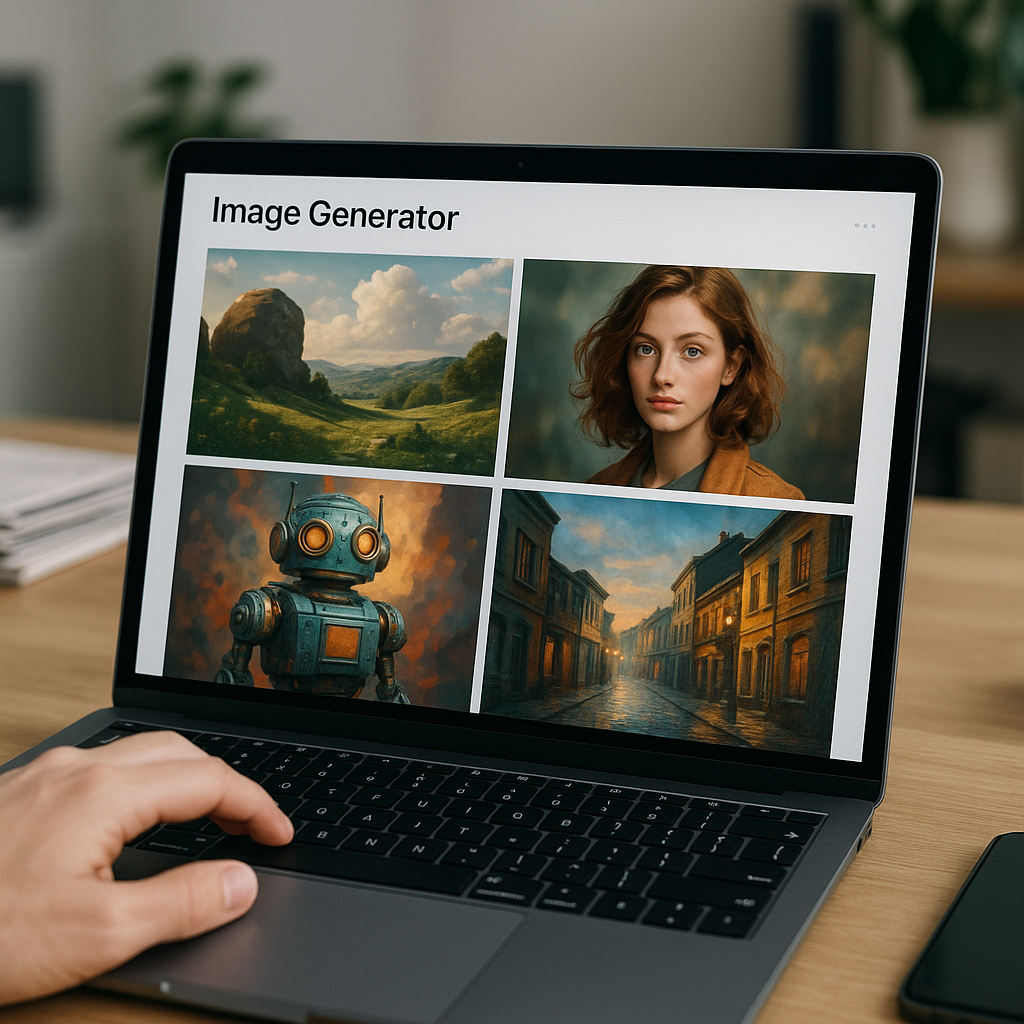
Image Generators
The world of digital creativity is undergoing a significant transformation, driven largely by the advent of image generators powered by artificial intelligence (AI). These sophisticated tools have exploded onto the scene, enabling users to create stunning visuals with minimal effort, thereby reshaping the landscape of art, design, and even marketing. As we delve into the mechanics, implications, and future of image generators, it becomes clear that they are not just a passing trend but a pivotal innovation in the digital age.
At their core, image generators utilise advanced algorithms and machine learning techniques, particularly deep learning, to produce images based on textual descriptions or existing images. This process, often referred to as "text-to-image synthesis," involves training models on vast datasets containing millions of images and their corresponding textual descriptions. Popular examples include OpenAI's DALL-E, Stability AI's Stable Diffusion, and Midjourney, each offering unique features and capabilities that cater to different creative needs.
One of the most remarkable aspects of these generators is their ability to understand and interpret complex prompts. For instance, a user can input a seemingly simple phrase like "a futuristic cityscape at sunset," and the generator will conjure up a unique visual interpretation of that request. This has opened up new avenues for artists, designers, and even everyday individuals who may lack traditional artistic skills but have a wealth of creativity to express.
Moreover, the speed at which these generators can produce images is another key factor driving their popularity. What might take a human artist hours or even days can be accomplished in mere seconds, allowing for rapid prototyping and experimentation. This efficiency not only enhances productivity but also encourages creativity, as users can quickly iterate on ideas and concepts without the constraints of time.
As with any emerging technology, the rise of image generators has sparked a vibrant debate surrounding the ethical implications of their use. One of the most pressing concerns is the potential for copyright infringement. Since these AI models are trained on existing artworks, there is a risk that they may inadvertently reproduce elements from copyrighted works. This has led to discussions within the creative community about the need for clearer guidelines and regulations to protect artists' rights while fostering innovation.
Additionally, the question of authenticity arises. If an image is created by an AI, can it truly be considered art? Critics argue that the absence of human emotion and intention makes these creations fundamentally different from traditional art forms. However, proponents contend that the collaboration between human creativity and AI can lead to entirely new forms of expression, pushing the boundaries of what art can be. This discourse continues to evolve as more artists begin to incorporate AI tools into their workflows.
Furthermore, the accessibility of image generators has democratized the creative process. Individuals from diverse backgrounds, including those in underrepresented communities, can now harness the power of AI to share their stories and visions. This shift has the potential to diversify the visual landscape, allowing for a richer tapestry of cultural representation in the digital sphere. For instance, small businesses and entrepreneurs can create high-quality marketing materials without the need for expensive graphic design services, thereby lowering the barrier to entry in various industries.
In the realm of marketing, businesses are leveraging image generators to create eye-catching visuals for social media, advertisements, and websites. The ability to generate tailored images that resonate with specific audiences has become a game-changer for brands seeking to enhance their online presence. Companies can quickly adapt their visual content to reflect current trends or respond to customer feedback, resulting in more engaging and relevant marketing campaigns.
As these tools continue to evolve, advancements in AI technology are expected to further refine the capabilities of image generators. The integration of 3D rendering, augmented reality (AR), and virtual reality (VR) elements could soon lead to immersive visual experiences that were previously unimaginable. Imagine a world where users can create and explore interactive 3D environments based on their written prompts, blurring the lines between artistic expression and digital interaction.
Nevertheless, as the technology matures, it is imperative for developers, artists, and policymakers to collaborate closely. Establishing ethical standards and fostering a responsible approach to AI-generated content will be crucial in ensuring that this innovation benefits society as a whole. Educational initiatives that teach users about the implications and responsibilities associated with AI tools can empower individuals to navigate this new landscape thoughtfully.
In conclusion, image generators are redefining creativity by bridging the gap between technology and artistic expression. While they present challenges and ethical dilemmas, the potential benefits they offer in terms of accessibility, efficiency, and innovation are undeniable. As we move forward, embracing the opportunities these tools present while addressing their implications will be key to harnessing their full potential in a responsible and inclusive manner. The future of creativity is not just about the art we create but also about the collaborative possibilities that AI brings to the table, making it a truly exciting time for artists and creators worldwide.
Recent Posts
Head-to-Head: Comparing Top AI Models in Работа с Нейросетями and Their Impact
червень 16, 2026
Debunking Myths: The Realities of Работа с Нейросетями and AI Models Today
червень 16, 2026
Unlocking Creativity: A Simple Guide to Using Image Generators for Beginners
червень 16, 2026
Maximum Potential
Отримайте повний досвід із планом Pro
ІНФОРМАЦІЯ