квітень 20, 2026
Unlock Your Creativity: How Image Generators Are Transforming Visual Art Today
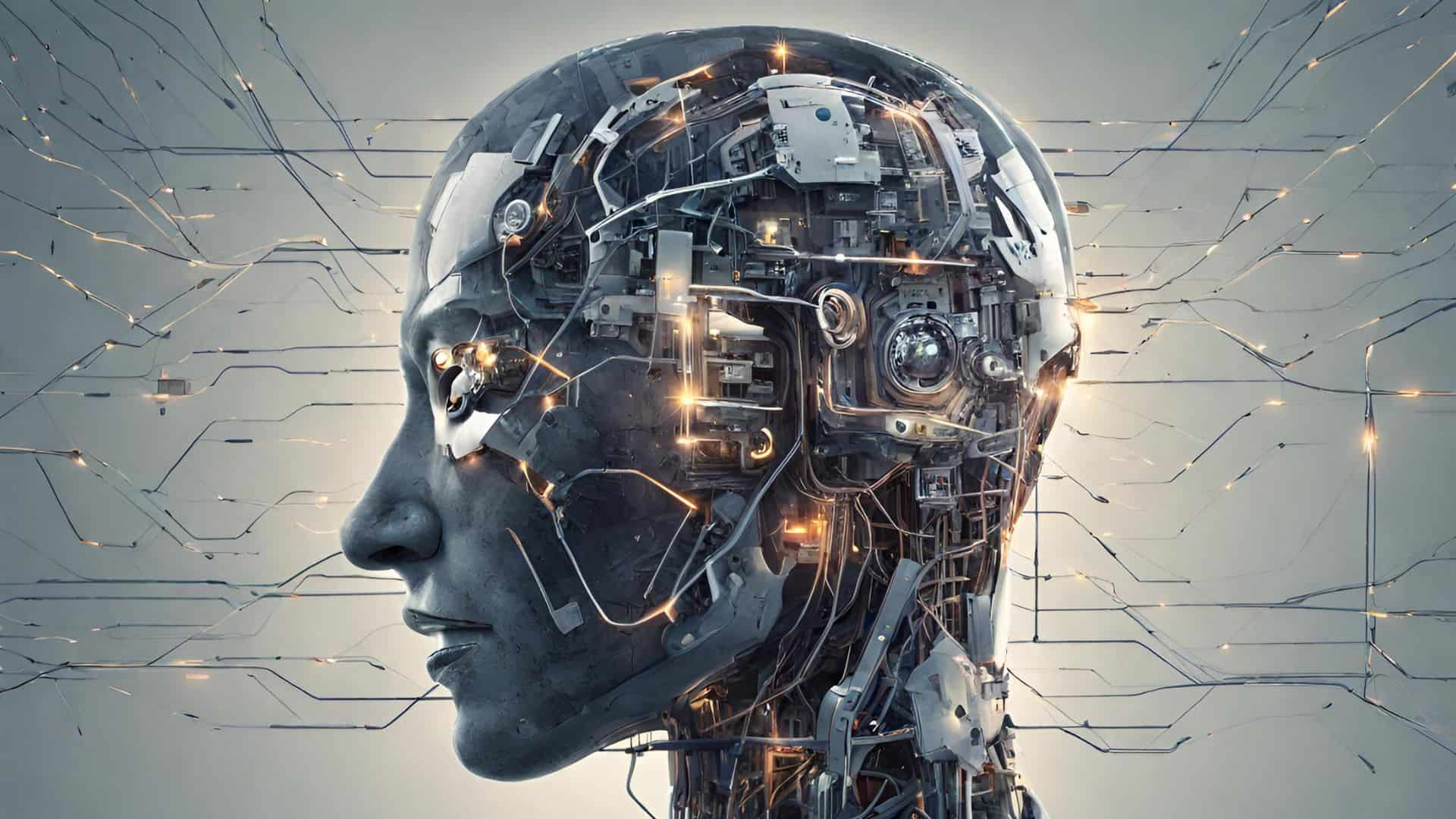
Image Generators
In the rapidly evolving landscape of artificial intelligence, image generators have emerged as a significant technological advancement, captivating the imagination of artists, marketers, and everyday users alike. These sophisticated tools leverage deep learning and neural networks to produce stunning visual content from text prompts, offering a glimpse into the future of creativity and design. As the technology matures, its implications for various sectors continue to unfold, raising both excitement and ethical considerations.
The rise of image generators can be traced back to the development of Generative Adversarial Networks (GANs), a breakthrough in AI that allows machines to create new, realistic images. Two neural networks—a generator and a discriminator—work in tandem, with the generator creating images and the discriminator evaluating them. Through this iterative process, the generator learns to produce increasingly lifelike images, leading to the creation of strikingly realistic visuals that can be indistinguishable from those captured by a camera.
One of the most notable examples of image generators is OpenAI’s DALL-E, which gained widespread attention for its ability to create intricate images from simple textual descriptions. From a “two-headed flamingo wearing a top hat” to more complex scenes, DALL-E showcases the potential of AI to interpret and visualise human creativity. Following its success, other platforms such as Midjourney and Stable Diffusion have emerged, each bringing unique features and capabilities to the table, further enriching the landscape of digital artistry.
These tools have found a diverse range of applications. In marketing, businesses are harnessing the power of image generators to create bespoke visuals for campaigns, saving both time and resources. Instead of commissioning a photographer or illustrator, marketers can generate images that align perfectly with their brand’s vision or target demographic in mere moments. This democratization of design empowers small businesses and start-ups, allowing them to compete on a more level playing field with larger corporations that have more extensive resources.
In the realm of entertainment, game developers and filmmakers are starting to explore the potential of AI-generated content to enhance storytelling. The ability to produce unique characters, environments, and props at an unprecedented speed can lead to more immersive experiences. For instance, indie game developers can use these tools to create assets that would otherwise require significant investment and time, enabling a new wave of creativity in the gaming industry.
Furthermore, artists are beginning to embrace image generators as collaborators rather than competitors. Many are experimenting with these tools to push the boundaries of their creativity, using AI-generated imagery as a foundation or inspiration for their work. This fusion of human creativity and machine learning is paving the way for a new genre of art that challenges traditional notions of authorship and creativity. Artists like Refik Anadol and Mario Klingemann are at the forefront of this movement, producing works that blend code, data, and aesthetics.
Despite the myriad benefits, the rise of image generators is not without its challenges and controversies. As the technology becomes more accessible, concerns surrounding copyright and intellectual property are increasingly prevalent. The question of who owns the rights to an AI-generated image remains largely unresolved, particularly in cases where the generator is trained on existing artworks. Legal frameworks are struggling to catch up with the rapid advancements in technology, leaving artists and creators in a grey area regarding their rights and protections.
Moreover, the potential for misuse of these tools raises ethical concerns. The ability to generate hyper-realistic images can be exploited for malicious purposes, such as creating deepfakes or spreading misinformation. The implications of such misuse are profound, prompting calls for stricter regulations and guidelines on the use of AI-generated content. The conversation around responsible AI usage is gaining momentum, with organisations and researchers advocating for transparency and ethical standards in the development and deployment of these technologies.
As image generators continue to evolve, the future of this technology is filled with possibilities. Researchers are actively working on improving the capabilities of these tools, focusing on aspects such as reducing biases in generated content and enhancing the quality of images. Some advancements are also aimed at creating more interactive experiences, where users can engage with AI in real-time to create dynamic visuals tailored to their preferences.
The educational sector is also beginning to recognise the potential of image generators. Educators are exploring ways to integrate these tools into classrooms, allowing students to experiment with visual storytelling and creativity. This hands-on approach not only engages students but also cultivates critical thinking skills as they navigate the ethical implications of using AI in creative processes.
In summary, image generators represent a fascinating intersection of technology and creativity, offering a wealth of opportunities across various sectors. While the benefits are clear, the challenges posed by copyright issues and ethical concerns necessitate a thoughtful approach to their development and use. As society grapples with these complexities, it is imperative to foster a dialogue that promotes responsible innovation, ensuring that the creativity unleashed by AI continues to enrich our cultural landscape without compromising the rights and interests of individuals. The journey of image generators is just beginning, and their impact on the future of creativity is poised to be nothing short of transformative.
Recent Posts
Head-to-Head: Comparing Top AI Models in Работа с Нейросетями and Their Impact
червень 16, 2026
Debunking Myths: The Realities of Работа с Нейросетями and AI Models Today
червень 16, 2026
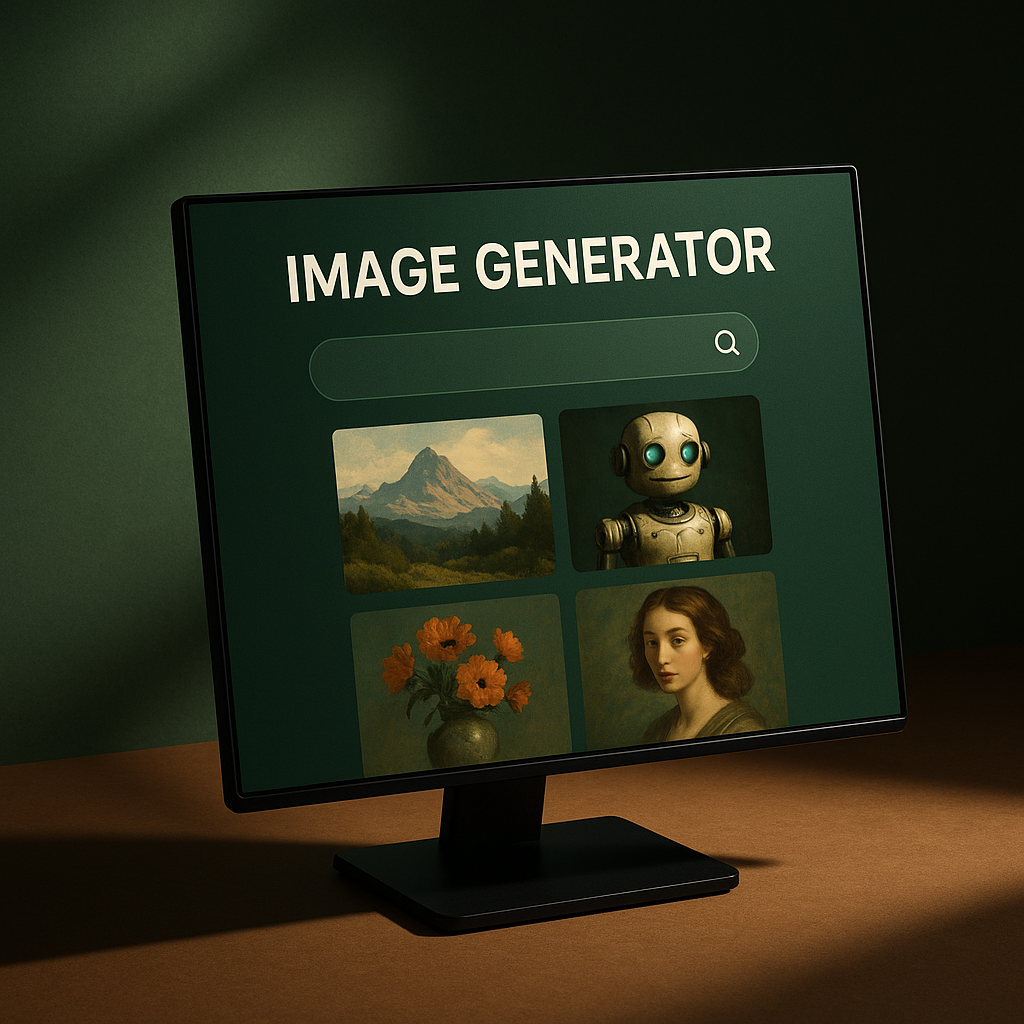
Unlocking Creativity: A Simple Guide to Using Image Generators for Beginners
червень 16, 2026

Maximum Potential
Отримайте повний досвід із планом Pro
ІНФОРМАЦІЯ