January 28, 2026
Unlock Your Creativity: The Rise of Image Generators in Digital Art and Design
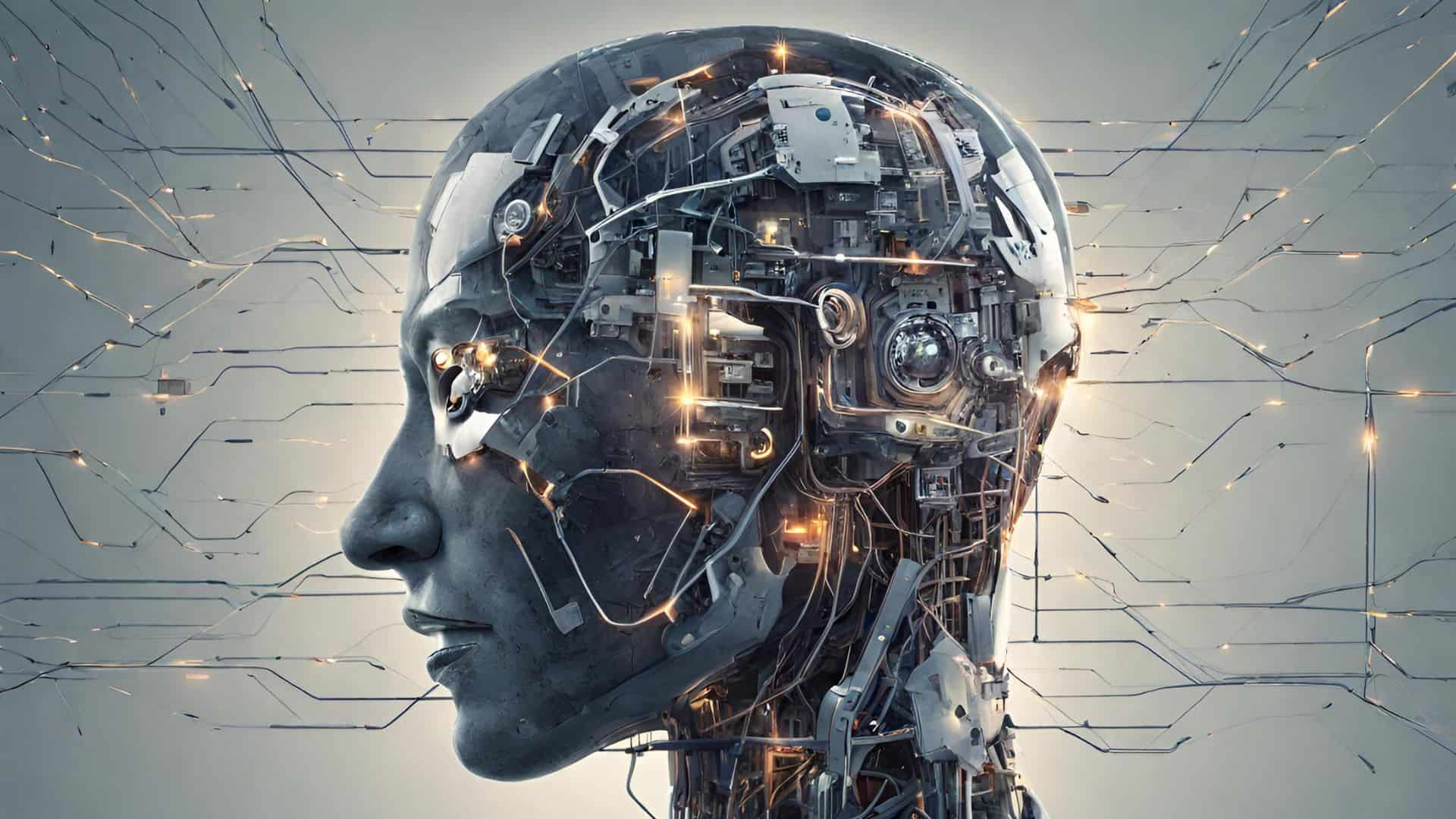
Image Generators
In recent years, image generators have surged in popularity, transforming the landscape of digital art, marketing, and content creation. These AI-driven tools allow users to create stunning visuals by simply inputting text prompts, making them accessible to both seasoned artists and novices. Companies and individuals alike are leveraging this technology to generate graphics for a variety of purposes, from social media posts to advertising campaigns, and even video game design.
At the heart of this phenomenon is the advancement of machine learning algorithms, particularly Generative Adversarial Networks (GANs) and diffusion models. GANs consist of two neural networks, a generator and a discriminator, that work together to produce images that mimic real-world visuals. The generator creates images based on input data, while the discriminator evaluates them against real images, providing feedback that helps the generator improve over time. This back-and-forth process results in increasingly realistic images that can be indistinguishable from those created by human artists.
Diffusion models, on the other hand, take a different approach. They start with a random noise image and gradually refine it into a coherent picture through a process of iterative denoising. This method has gained traction for its ability to produce high-quality images with remarkable detail and diversity. Both approaches have contributed to the proliferation of image generators that are now widely available to the public.
Some of the most prominent image generators include DALL-E 2 from OpenAI, Midjourney, and Stable Diffusion. DALL-E 2, a successor to the original DALL-E, has captured the imagination of users with its ability to understand complex prompts and generate images that blend various styles and concepts. Midjourney, known for its artistic flair, often produces dreamlike and surreal images that appeal to creative professionals. Meanwhile, Stable Diffusion has made headlines for its open-source nature, allowing developers and enthusiasts to customize their own versions of the model and explore its capabilities.
The accessibility of these tools has democratized art creation, enabling anyone with an internet connection to produce professional-looking images without the need for extensive artistic training. This shift has raised questions about the future of traditional art forms and the role of human creativity in an increasingly automated world. While some artists view image generators as a threat, others see them as a complementary tool that can enhance their creative process. For instance, artists can use AI-generated images as inspiration or as a starting point for their own work, blending traditional techniques with cutting-edge technology.
Moreover, the commercial implications of image generators are profound. Businesses are tapping into this technology to create eye-catching marketing materials quickly and at a fraction of the cost of hiring professional designers. For example, social media managers can generate unique visuals tailored to specific campaigns, allowing for rapid iteration and experimentation. This agility is particularly valuable in today’s fast-paced digital environment, where the ability to respond to trends and audience preferences can make or break a brand’s success.
However, the rise of image generators is not without its challenges. One significant concern is the potential for copyright infringement. As these tools learn from vast datasets of existing images, the question arises: who owns the rights to an AI-generated image? Current copyright laws are ill-equipped to address this issue, leading to a legal gray area that could impact artists and businesses alike. Furthermore, there are ethical considerations surrounding the use of AI in creative fields, particularly regarding the representation of marginalized groups and the potential for bias in generated images.
Addressing these challenges requires collaboration between artists, technologists, and legal experts to establish guidelines that protect intellectual property while fostering innovation. As the technology continues to evolve, it is crucial to ensure that the rights of individual creators are respected and that AI serves as a tool for enhancement rather than replacement.
In addition to legal and ethical concerns, there are also technical limitations to consider. While image generators are impressive, they are not infallible. They can produce bizarre or nonsensical results, especially when given vague or overly complex prompts. Users must often experiment with wording and specificity to achieve the desired outcome. This trial-and-error process can be frustrating, particularly for those who may not be familiar with the intricacies of AI-generated art.
Despite these hurdles, the future of image generators looks promising. As AI technology advances, these tools will likely become more sophisticated, producing increasingly realistic and contextually relevant images. Innovations such as integrating augmented reality (AR) and virtual reality (VR) could further expand the applications of image generators, allowing users to immerse themselves in the worlds they create.
Furthermore, as educational institutions recognize the potential of AI in creative fields, we may see the emergence of new courses and programs focused on integrating image generation into traditional art and design curricula. This could ensure that future generations of artists are equipped with the skills to navigate the intersection of technology and creativity.
In conclusion, image generators are reshaping the creative landscape, empowering individuals and businesses to produce high-quality visuals with unprecedented ease. While there are challenges to address, the potential for innovation and collaboration between human creativity and AI is vast. As we move forward, it will be essential to strike a balance that respects artistic integrity while embracing the transformative power of technology, ensuring that the future of art remains vibrant and inclusive.
Recent Posts
Breakthrough in Neural Networks: How New AI Models Revolutionize Global Tech
June 16, 2026
Head-to-Head: Comparing Neural Network Models and Their Impact on AI Work Today
June 16, 2026
New Breakthrough in Image Generators Promises to Revolutionize Artistic Expressi...
June 16, 2026
Maximum Potential
Get the full experience with Pro Plan
INFORMATION