березень 20, 2026
Unlock Your Creativity: The Rise of Image Generators in Digital Artistry
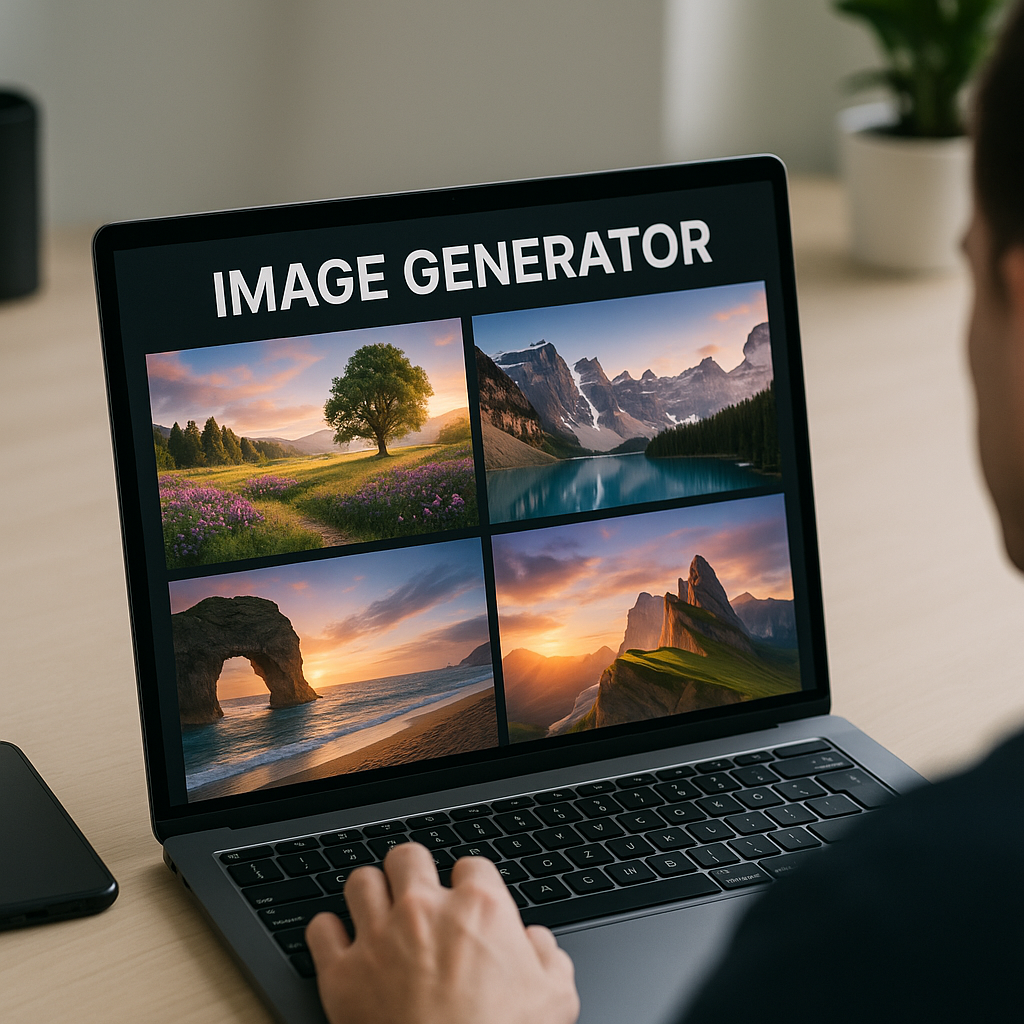
Image Generators
In recent years, the rise of image generators has transformed the landscape of digital art, marketing, and content creation. These sophisticated tools leverage artificial intelligence and machine learning algorithms to generate visuals from textual descriptions, offering a new frontier for artists, designers, and businesses alike. As technology continues to advance, image generators are becoming increasingly accessible, sparking a revolution in how we produce and consume visual content.
Image generators use a variety of techniques, including Generative Adversarial Networks (GANs) and diffusion models, to create images that can range from photorealistic portraits to abstract art. A GAN comprises two neural networks—the generator and the discriminator—that work in tandem to produce increasingly realistic images. The generator creates images from random noise, while the discriminator evaluates them against real images, pushing the generator to improve over time. This iterative process leads to the creation of high-quality images that can be indistinguishable from those made by human artists.
One notable example of an image generator that has taken the world by storm is DALL-E, developed by OpenAI. This model is capable of transforming text prompts into intricate visual representations. Users can input phrases as simple as “a two-headed flamingo in a surreal landscape,” and DALL-E will produce multiple unique renditions based on that description. Its ability to understand context and generate images that align closely with user intent has captivated a wide audience, from professional designers seeking inspiration to casual users exploring the boundaries of creativity.
Another prominent player in the field is Midjourney, a platform that has gained popularity for its user-friendly interface and community-driven approach. Midjourney allows users to create images through a Discord bot, fostering an environment where artists can share their creations and provide feedback. This collaborative aspect not only enhances the creative process but also builds a vibrant community around digital art, where users can learn from each other and push the limits of what is possible with image generation.
The implications of image generators extend beyond just creative expression. Businesses are increasingly recognising the potential of these tools for marketing and branding purposes. Companies can use image generators to create custom visuals for social media campaigns, website content, and product promotions without the need for extensive graphic design resources. This capability allows for rapid prototyping of marketing materials, enabling businesses to respond quickly to trends and consumer preferences.
Furthermore, the accessibility of image generators has democratized the creation of visual content. Previously, producing high-quality images often required expensive software and specialised skills. Now, anyone with an internet connection can generate striking visuals with minimal effort. This shift has empowered individuals and small businesses to compete in the digital marketplace, fostering innovation and creativity across various industries.
However, the rise of image generators has also raised important ethical questions. Concerns about copyright and intellectual property have emerged, particularly regarding the ownership of images created by AI. Who holds the rights to an image generated from a user’s text prompt? Additionally, there is the potential for misuse, such as creating deepfakes or misleading visuals that could be used for disinformation. As these tools become more prevalent, it is crucial for policymakers, tech companies, and society at large to engage in discussions about the ethical ramifications and establish guidelines to govern their use.
Moreover, while image generators can produce striking visuals, they still have limitations. The technology struggles with certain complexities, such as generating human faces with accurate proportions or nuanced expressions. Often, the results may exhibit artefacts or surreal elements that can detract from the overall quality. This highlights the ongoing need for human oversight and creativity in the artistic process, as artists can refine and enhance the outputs generated by AI to create truly compelling works.
As the technology evolves, we can expect to see even more sophisticated image generators emerge. Researchers are continually exploring ways to improve the capabilities of these tools, including better understanding of context, emotion, and stylistic nuances. The integration of image generators with other AI technologies, such as natural language processing and virtual reality, could lead to groundbreaking applications in areas like interactive storytelling, gaming, and education.
In the art world, the acceptance of AI-generated images is still a topic of debate. Some traditional artists express concerns that the proliferation of AI tools undermines the value of human creativity and craftsmanship. Others see it as a new medium through which artists can explore their ideas and expand their creative horizons. As the dialogue continues, it is vital for artists to embrace the possibilities that image generators provide while also advocating for the recognition of their unique skills and perspectives.
In conclusion, image generators represent a significant advancement in the intersection of technology and creativity. They have opened up a realm of possibilities for artists, businesses, and content creators, providing tools that enhance creativity and efficiency. As we navigate this new landscape, it is essential to address the ethical considerations and limitations associated with AI-generated imagery. Embracing this technology with an open mind while fostering responsible use will ensure that the creative potential of image generators is harnessed for the benefit of all.
Recent Posts
Head-to-Head: Comparing Top AI Models in Работа с Нейросетями and Their Impact
червень 16, 2026
Debunking Myths: The Realities of Работа с Нейросетями and AI Models Today
червень 16, 2026
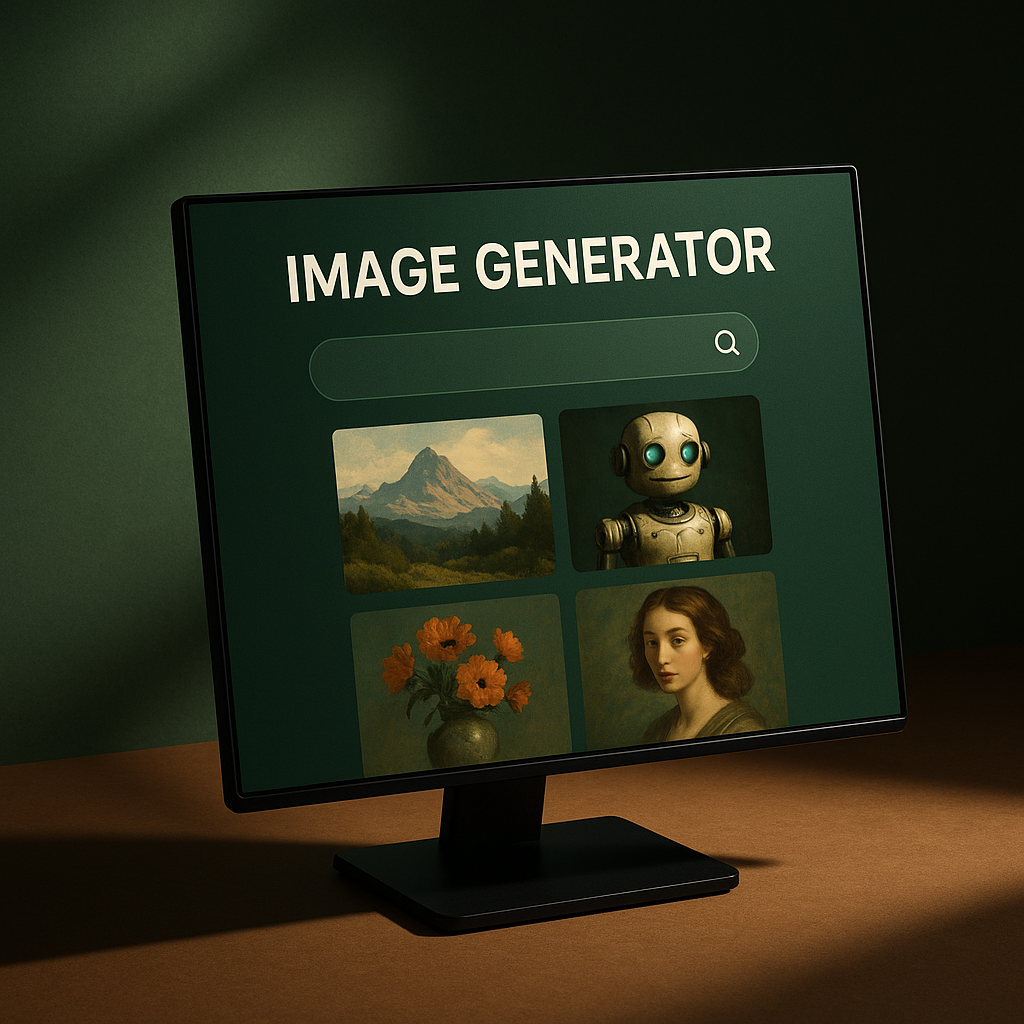
Unlocking Creativity: A Simple Guide to Using Image Generators for Beginners
червень 16, 2026
Maximum Potential
Отримайте повний досвід із планом Pro
ІНФОРМАЦІЯ