February 15, 2026
Unlock Your Creativity: The Rise of Image Generators in Digital Artistry
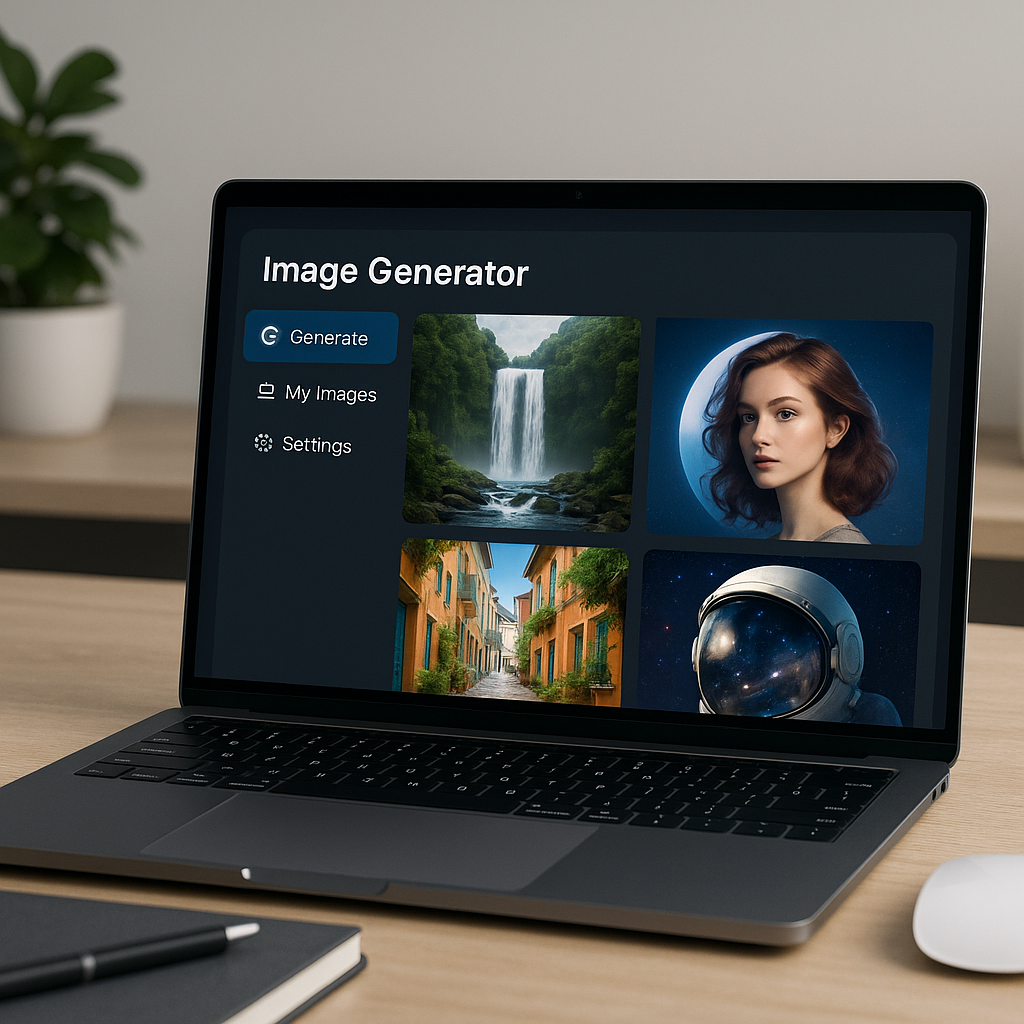
Image Generators
In recent years, the surge in artificial intelligence technologies has given rise to a new wave of creativity, particularly in the realm of image generation. These sophisticated image generators are reshaping how we create, consume, and perceive visual content. Utilizing deep learning algorithms, these tools have captured the imagination of artists, designers, and tech enthusiasts alike, leading to a burgeoning industry that promises to redefine artistic expression and digital media.
At the heart of these image generators is a technology known as Generative Adversarial Networks (GANs). Developed by Ian Goodfellow and his colleagues in 2014, GANs consist of two neural networks—a generator and a discriminator—that work in tandem to produce images. The generator creates new images from random noise, while the discriminator evaluates them against real images, providing feedback that helps the generator improve its outputs. This adversarial process results in stunningly realistic images that can range from lifelike portraits to fantastical landscapes.
One of the most prominent players in the image generation landscape is OpenAI’s DALL-E, which gained widespread attention for its ability to generate highly detailed images from textual descriptions. DALL-E allows users to input a phrase, and in mere seconds, it produces a corresponding image, showcasing the capabilities of AI in understanding and interpreting human language. This technology not only serves as a tool for artists but also allows non-professionals to engage in creative expression, democratizing the art-making process.
Another noteworthy contender is Midjourney, an independent research lab that has developed a platform focused on providing users with high-quality image generation capabilities. Midjourney operates similarly to DALL-E, allowing users to input prompts and receive unique and artistic images. Its user-friendly interface has attracted a diverse audience, from social media influencers to budding artists looking to enhance their portfolios. The community-driven aspect of Midjourney, where users can share and critique each other’s creations, fosters a collaborative environment that encourages creativity and experimentation.
The implications of image generators extend beyond mere artistic endeavors; they are also being embraced in various industries, including advertising, gaming, and entertainment. Companies are leveraging AI-generated images to create eye-catching marketing materials, reducing the time and costs associated with traditional photography and graphic design. In gaming, developers are using image generators to create expansive worlds and character designs, streamlining the development process while introducing fresh aesthetic possibilities.
Despite the excitement surrounding image generators, the technology raises significant ethical and legal questions. As AI-generated images become more indistinguishable from human-created art, issues of copyright and ownership come to the forefront. Who holds the rights to an image produced by an AI? Is it the programmer, the user who provided the prompt, or the AI itself? Currently, the legal landscape is murky, and as the technology continues to evolve, lawmakers are grappling with the need for updated regulations to address these challenges.
Moreover, the potential for misuse is a pressing concern. Image generators can be employed to create misleading or harmful content, such as deepfakes or propaganda. The rapid generation of realistic images poses a threat to the authenticity of visual media, leading to a growing call for ethical guidelines and standards in the use of AI technologies. Organizations and developers are urged to implement measures that ensure responsible usage and prevent the spread of disinformation.
In response to these concerns, some companies are taking proactive steps to ensure the ethical deployment of their image generation technologies. OpenAI, for instance, has introduced safety features in DALL-E that help filter out inappropriate content and reduce the likelihood of harmful outputs. Additionally, the company promotes transparency by encouraging users to disclose when they use AI-generated images, fostering a more responsible approach to content creation.
The burgeoning field of image generation also intersects with the ongoing conversation about the role of human creativity in an AI-driven world. While some fear that AI could replace artists, many believe that these technologies can serve as powerful tools that augment human creativity rather than replace it. Artists are increasingly using image generators to brainstorm ideas, explore new styles, and push the boundaries of their work. By integrating AI into their creative processes, they can unlock new avenues of expression and innovation.
As we look to the future, the trajectory of image generators suggests an exciting and complex landscape. With advancements in machine learning and computer vision, we can expect even more sophisticated tools that enhance our ability to create and interact with visual media. The integration of AI into creative industries will likely lead to a redefinition of artistic collaboration, blurring the lines between human and machine-generated art.
In conclusion, image generators represent a remarkable convergence of technology and creativity, offering both opportunities and challenges. As they continue to evolve, it is crucial for stakeholders—including developers, artists, and policymakers—to engage in meaningful dialogues about the ethical implications, legal frameworks, and creative possibilities that these technologies present. By navigating these complexities thoughtfully, we can harness the power of image generation to enrich our cultural landscape while safeguarding the integrity of artistic expression.
Recent Posts
Breakthrough in Neural Networks: How New AI Models Revolutionize Global Tech
June 16, 2026
Head-to-Head: Comparing Neural Network Models and Their Impact on AI Work Today
June 16, 2026
New Breakthrough in Image Generators Promises to Revolutionize Artistic Expressi...
June 16, 2026
Maximum Potential
Get the full experience with Pro Plan
INFORMATION