February 21, 2026
Unlock Your Creativity: The Rise of Image Generators Transforming Art in 2023
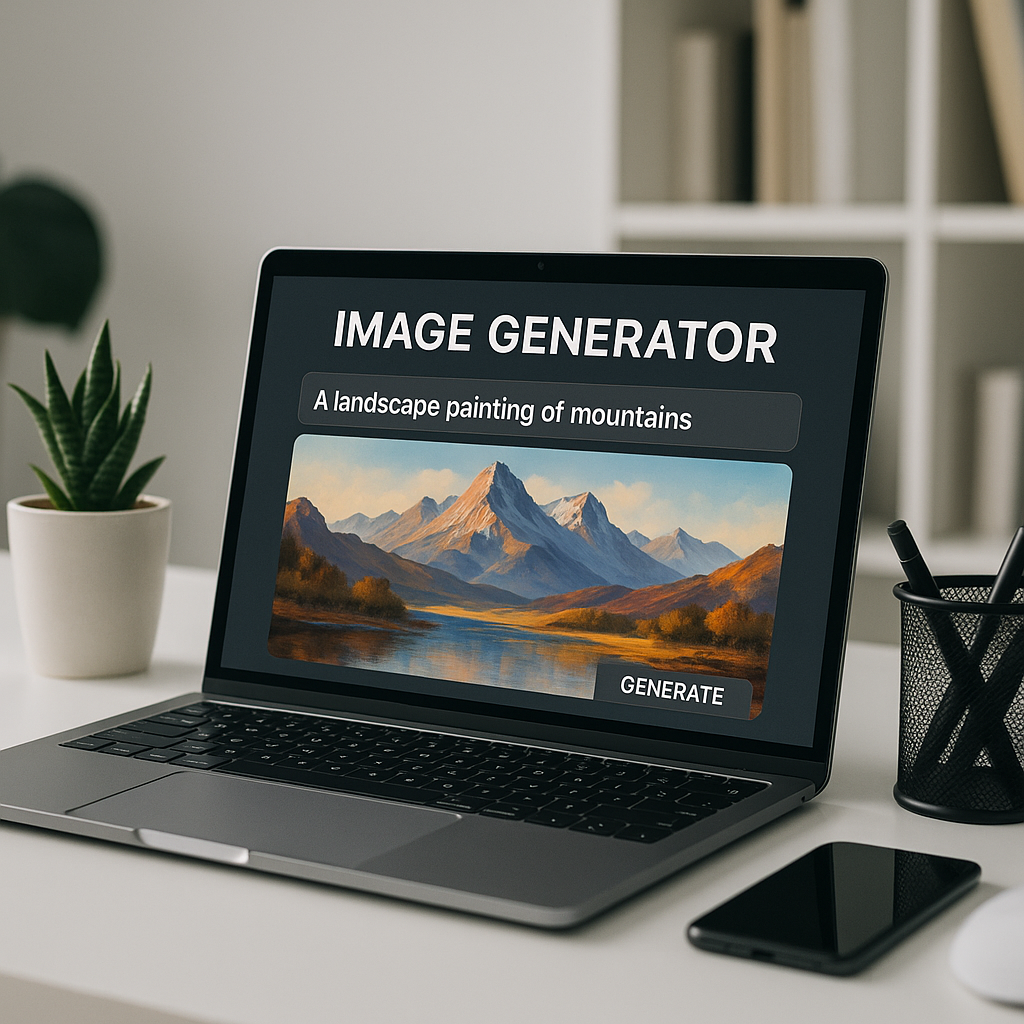
Image Generators
In recent years, image generators have emerged as a transformative technology in the realm of artificial intelligence and creative expression. These sophisticated tools leverage deep learning algorithms to create realistic images from textual descriptions, revolutionizing industries such as advertising, entertainment, and even fine art. As the capabilities of these systems grow, so too does the conversation around their implications, potential applications, and ethical considerations.
The concept of using artificial intelligence to generate images is not entirely new. However, advancements in neural networks, particularly Generative Adversarial Networks (GANs) and diffusion models, have significantly enhanced the quality and diversity of the output. GANs operate by having two neural networks—the generator and the discriminator—compete against each other, improving the realism of generated images over time. Meanwhile, diffusion models create images by gradually transforming random noise into coherent visuals, allowing for intricate details and textures that were previously unattainable.
One of the most notable examples of image generation technology is OpenAI's DALL-E, which gained widespread attention for its ability to produce stunning visuals from simple text prompts. Users can describe anything from fantastical creatures to everyday objects, and DALL-E will create an image that captures the essence of the description. This capability has sparked a wave of creativity, allowing artists, designers, and hobbyists to visualize concepts that exist only in their imaginations.
Another significant player in this field is Midjourney, which has garnered a dedicated following for its user-friendly interface and the impressive quality of its generated images. Midjourney’s community-driven approach encourages users to share their creations and collaborate on projects, fostering a vibrant ecosystem of digital artists. The ease of access to such powerful tools has democratized image creation, empowering individuals without formal artistic training to produce professional-looking work.
The applications of image generators are vast and varied. In the advertising industry, for instance, companies can quickly create tailored visuals for marketing campaigns without relying on traditional photography or graphic design. This not only reduces costs but also accelerates the creative process, enabling brands to respond to market trends and consumer demands in real-time.
In the realm of video games and film, image generators can assist in concept art, character design, and even entire environments, streamlining the pre-production process. Creative teams can use these tools to visualize ideas rapidly, facilitating brainstorming sessions and enhancing collaboration among team members. For instance, a game designer can input character traits and receive a range of character designs to choose from, significantly speeding up the initial design phase.
Moreover, the fashion industry is also beginning to leverage image generators for design inspiration, fabric patterns, and marketing materials. Designers can experiment with combinations of styles, colors, and patterns, generating a multitude of options that can be refined and iterated upon. This not only opens new avenues for creativity but also challenges traditional design processes.
Despite the excitement surrounding image generators, they also raise important ethical questions. One of the primary concerns is the potential for misuse. With the ability to create hyper-realistic images, the risk of generating misleading or harmful content increases. This has implications for deepfakes, misinformation, and the unauthorized use of an artist's style or intellectual property. As image generators become more accessible, the lines between original artwork and AI-generated content blur, leading to debates about ownership and attribution.
Another ethical consideration is the environmental impact of training large AI models. The computational power required to generate high-quality images can be substantial, leading to significant carbon footprints. As the technology continues to advance, the industry must address these concerns by adopting more sustainable practices and exploring ways to minimize energy consumption.
Furthermore, there is the question of the impact on traditional artists and designers. While some view image generators as tools that augment creativity, others worry that the proliferation of AI-generated art could devalue human artistry. This tension highlights the need for a balanced approach, where technology serves as a complement to human creativity rather than a replacement.
The regulatory landscape surrounding image generators is still evolving. Governments and organizations are beginning to recognize the need for guidelines and policies to govern the use of AI in creative fields. Issues such as copyright, accountability for generated content, and data privacy are becoming increasingly pertinent. As the technology continues to advance, it is crucial for stakeholders to engage in ongoing dialogue to establish frameworks that promote innovation while safeguarding ethical standards.
Looking ahead, the future of image generators is promising, with ongoing research focused on improving their capabilities and expanding their applications. Innovations in machine learning techniques may lead to even more sophisticated image generation, enabling users to create not just static images but also animations and interactive content. As these tools evolve, they will likely play an integral role in shaping the future of visual culture.
In conclusion, image generators represent a significant leap forward in the intersection of technology and creativity. They empower individuals and industries to explore new forms of expression and streamline creative processes. However, with great power comes great responsibility, and it is imperative that society navigates the ethical complexities associated with this technology. As we embrace the possibilities of AI-generated imagery, a collaborative approach involving artists, technologists, and policymakers will be essential in harnessing its potential for positive impact while addressing the challenges it presents.
Recent Posts
Breakthrough in Neural Networks: How New AI Models Revolutionize Global Tech
June 16, 2026
Head-to-Head: Comparing Neural Network Models and Their Impact on AI Work Today
June 16, 2026
New Breakthrough in Image Generators Promises to Revolutionize Artistic Expressi...
June 16, 2026
Maximum Potential
Get the full experience with Pro Plan
INFORMATION