квітень 26, 2026
Unlock Your Creativity: The Rise of Image Generators Transforming Art Today
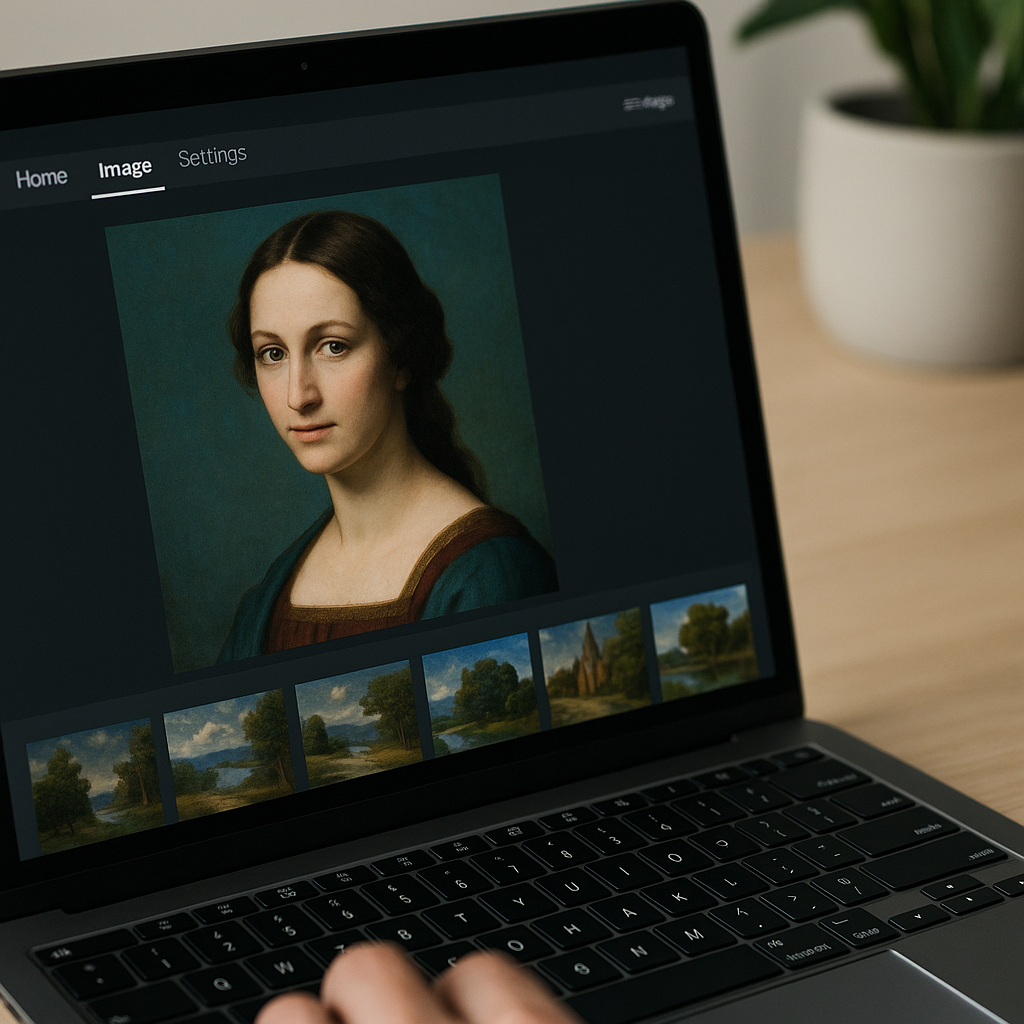
Image Generators
The rise of image generators has transformed the landscape of digital creativity, enabling users to generate stunning visuals with the click of a button. These sophisticated tools, powered by artificial intelligence (AI) and machine learning algorithms, have gained significant traction across various sectors, from advertising and entertainment to gaming and social media. As the technology continues to evolve, it is reshaping how individuals and businesses approach visual content creation, providing new opportunities while also raising ethical concerns.
At the core of image generators is a technology known as Generative Adversarial Networks (GANs). This innovative approach involves two neural networks – the generator and the discriminator – that work in tandem to create and assess images. The generator creates new images based on input data, while the discriminator evaluates the authenticity of these images, distinguishing them from real ones. Over time, this back-and-forth process leads to the creation of increasingly realistic visuals, allowing users to generate high-quality images from mere text prompts or simple sketches.
One of the most notable platforms that have harnessed this technology is OpenAI's DALL-E, which gained widespread attention for its ability to produce unique images based on descriptive text. Users can input phrases such as “a two-headed flamingo in a futuristic city,” and DALL-E will generate a corresponding image that matches the description. This level of creativity is not just limited to whimsical concepts; it also extends to practical applications, such as designing marketing materials or creating prototypes for products. The versatility of such platforms has made them indispensable tools for graphic designers, marketers, and content creators alike.
Similar advancements can be seen in other tools like Midjourney and Stable Diffusion, each offering unique features that cater to different creative needs. Midjourney, for instance, emphasises artistic styles, allowing users to generate images that mimic the techniques of renowned artists. On the other hand, Stable Diffusion focuses on providing high-resolution images with intricate details, making it suitable for professional-grade projects. As these tools become more accessible, they empower individuals who may lack traditional artistic skills to express their ideas visually.
However, with great power comes great responsibility. The proliferation of image generators has sparked a debate over the ethical implications of AI-generated content. One significant concern is copyright infringement. As these systems learn from vast datasets that often include copyrighted images, the question arises: who owns the rights to the images generated by AI? This ambiguity poses challenges for artists and creators who rely on intellectual property protection for their work. In response, some platforms have begun implementing measures to ensure that generated images do not closely resemble existing works, but the effectiveness of these measures remains a topic of discussion.
Moreover, the potential for misuse of image generators is another critical issue. The ability to create hyper-realistic images can lead to the spread of misinformation or the creation of deepfake content, where individuals' likenesses are manipulated without their consent. This risk highlights the necessity for stringent regulations and ethical guidelines surrounding the use of AI in creative processes. As governments and organisations grapple with these challenges, the conversation around responsible AI use in the creative sector is becoming increasingly pertinent.
Despite these concerns, the benefits of image generators are undeniable. They have democratized the creation of visual content, allowing individuals with limited artistic backgrounds to produce high-quality images quickly. Small businesses and startups, in particular, have found these tools invaluable, enabling them to compete with larger companies by producing professional marketing materials without the need for extensive budgets or teams of designers. This shift not only reduces costs but also fosters innovation, as more people can share their ideas visually.
The educational sector is also experiencing a transformation due to image generators. Art students and aspiring designers can utilise these tools to explore their creativity and experiment with various styles and techniques. By integrating AI into art curricula, educators can encourage students to think critically about the role of technology in the creative process and inspire them to envision new possibilities for their work. Additionally, image generators can serve as valuable aids for brainstorming and visualisation, helping students articulate their concepts more effectively.
As the technology continues to advance, future developments in image generation are likely to enhance the capabilities of these tools even further. Researchers are exploring ways to improve the fidelity and diversity of generated images, paving the way for even more intricate and imaginative outputs. Furthermore, integration with virtual and augmented reality technologies could open new avenues for storytelling and immersive experiences, fundamentally changing how we interact with visual content.
In conclusion, image generators represent a significant leap forward in the realm of digital creativity, offering unprecedented opportunities for individuals and businesses alike. While the ethical implications surrounding their use must be addressed, the benefits they provide are transforming how we create, share, and consume visual content. As these tools continue to evolve, they will undoubtedly play a pivotal role in shaping the future of art, design, and beyond, challenging traditional notions of creativity and ownership in the digital age.
Recent Posts
Head-to-Head: Comparing Top AI Models in Работа с Нейросетями and Their Impact
червень 16, 2026
Debunking Myths: The Realities of Работа с Нейросетями and AI Models Today
червень 16, 2026
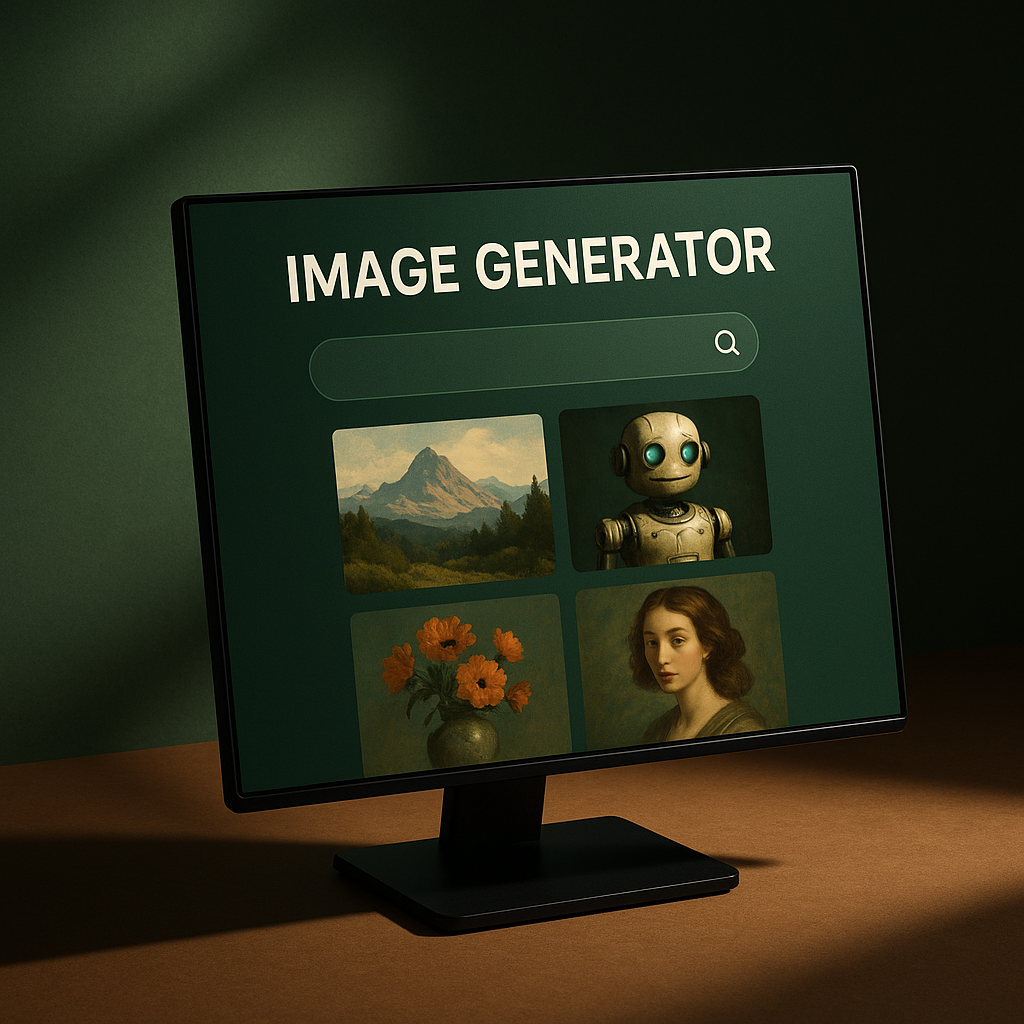
Unlocking Creativity: A Simple Guide to Using Image Generators for Beginners
червень 16, 2026

Maximum Potential
Отримайте повний досвід із планом Pro
ІНФОРМАЦІЯ