лютий 5, 2026
Unlock Your Creativity: The Rise of Image Generators Transforming Digital Art
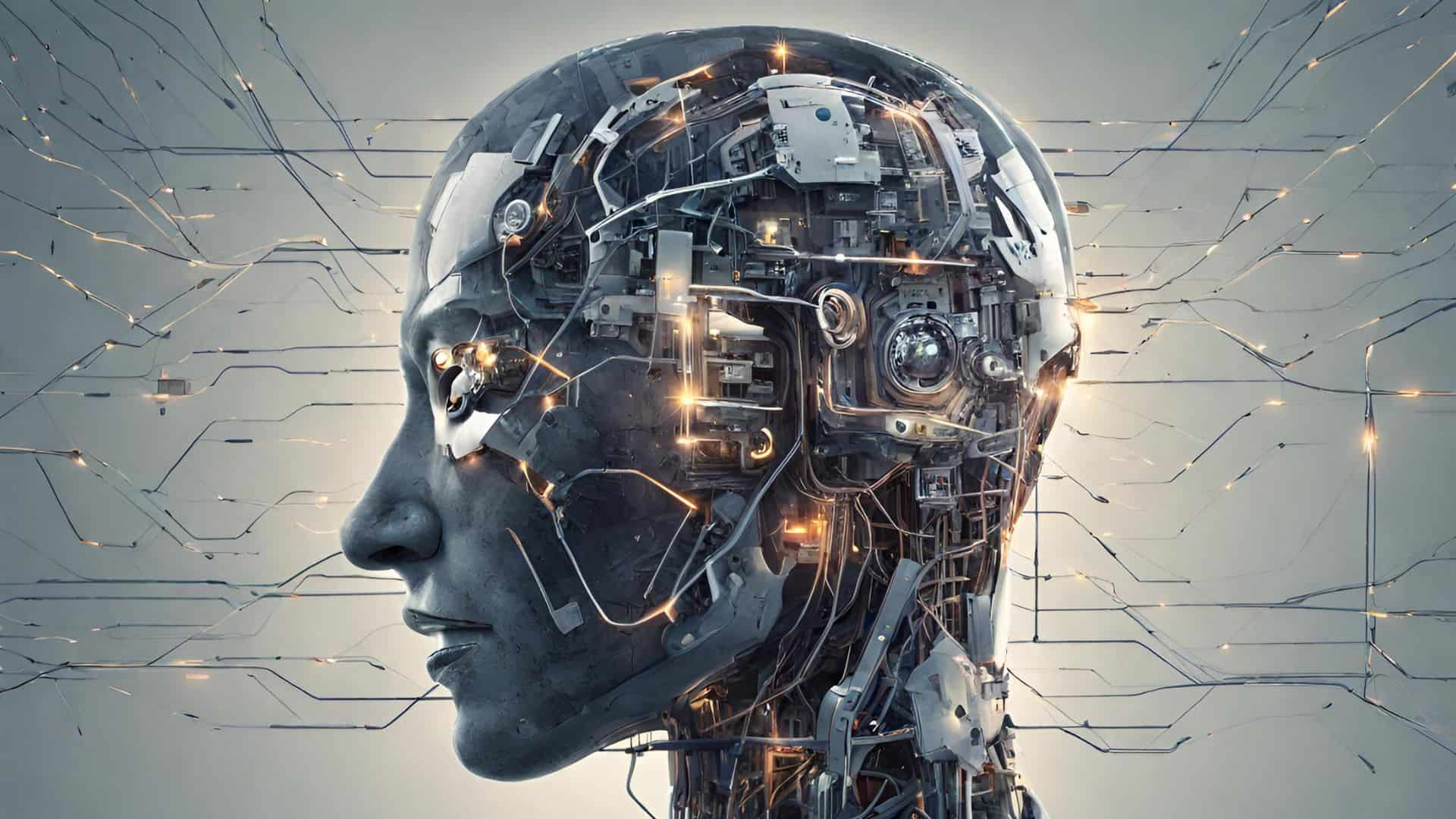
Image Generators
In recent years, image generators have taken the digital world by storm, transforming the way we create and interact with visual content. These sophisticated tools, powered by artificial intelligence (AI) and machine learning, have opened up new frontiers for artists, designers, marketers, and everyday users alike. As this technology continues to evolve, it is reshaping industries and redefining creativity in the digital age.
At the heart of image generation lies a process known as Generative Adversarial Networks (GANs). This technology involves two neural networks – the generator, which creates images, and the discriminator, which evaluates them. The generator learns from a vast dataset of images and strives to produce visuals that are indistinguishable from real ones. Meanwhile, the discriminator works to identify whether an image is real or generated. This competition drives both networks to improve, resulting in stunning outputs that can range from hyper-realistic portraits to fantastical landscapes.
One of the most notable examples of image generators is OpenAI's DALL-E, a system designed to create images from textual descriptions. Released in early 2021, DALL-E quickly garnered attention for its ability to generate imaginative and contextually appropriate images based on user prompts. For instance, if a user inputs a phrase like "a two-headed flamingo wearing a hat", DALL-E can produce a strikingly detailed image that embodies this unique concept. The implications for creativity and art are profound, as it allows individuals to visualise their ideas without needing advanced artistic skills.
Another significant player in this space is Midjourney, an independent research lab that has developed its own image-generating AI. Midjourney operates through a Discord-based interface, enabling users to generate images by simply typing in commands. The platform has gained popularity among artists and hobbyists who appreciate its user-friendly approach and the distinctive style of its outputs. As a community-driven tool, Midjourney fosters collaboration and creativity, encouraging users to share their creations and inspire one another.
The rise of image generators has sparked a wave of excitement across various sectors. In marketing, for example, businesses are utilising these tools to create eye-catching visuals for advertising campaigns without the need for extensive graphic design resources. Small businesses and startups, in particular, benefit from the cost-effectiveness of AI-generated images, allowing them to level the playing field with larger competitors. Moreover, these generators can produce tailored content that resonates with specific target audiences, enhancing engagement and conversion rates.
In the realm of entertainment, image generators are becoming invaluable assets for filmmakers, game developers, and content creators. They can generate concept art, character designs, and even entire environments, streamlining the creative process and enabling artists to explore a myriad of possibilities in a fraction of the time. For instance, game developers can generate multiple iterations of a character design rapidly, allowing for quicker decision-making and a more efficient workflow. This innovative approach not only accelerates production timelines but also enhances the diversity and creativity of visual storytelling.
However, the surge in the use of image generators is not without its controversies. One of the most pressing concerns revolves around copyright and ownership. As AI-generated images become increasingly prevalent, questions arise regarding who owns the rights to these creations. If an image is generated based on a specific prompt, does the user have ownership over it, or does the technology provider retain those rights? Legal systems around the world are grappling with these complex issues, and as the technology continues to advance, a comprehensive framework will be necessary to address these challenges.
Furthermore, there are ethical considerations regarding the potential misuse of image generation technology. The ability to create hyper-realistic images raises concerns about deepfakes and misinformation. For instance, AI-generated images can be used to create misleading or harmful content that could influence public opinion or damage reputations. This has prompted calls for greater regulation and accountability in the development and deployment of image-generating technologies to prevent potential abuses.
Despite these challenges, the future of image generators appears bright. As technology continues to advance, we can expect even more sophisticated capabilities. Recent developments have introduced tools that allow users to edit existing images with AI assistance, enabling a more interactive creative process. For example, platforms like Adobe are integrating AI-driven features that simplify complex editing tasks, making it easier for users to achieve professional-quality results with minimal effort.
The educational sector is also beginning to embrace image generators as a means of enhancing learning. By incorporating these tools into classrooms, educators can inspire creativity and innovation among students. Whether it’s generating visual aids for presentations or encouraging students to create imaginative projects, the possibilities are endless. This integration of technology in education can foster a new generation of creative thinkers who are well-versed in the capabilities of AI.
As we look ahead, the intersection of creativity and technology will undoubtedly continue to evolve. The emergence of image generators represents just one facet of a broader trend towards automation and AI in the creative industries. While challenges remain, the potential for these tools to enhance artistic expression and streamline workflows is undeniable. As artists, designers, and businesses harness the power of image generators, we may witness a renaissance of creativity that enriches our digital landscape.
In conclusion, image generators are redefining how we approach visual creation, offering unprecedented opportunities for innovation across various sectors. While the technology presents challenges that must be addressed, its potential to transform industries and inspire creativity is immense. As we navigate this evolving landscape, the importance of ethical considerations and legal frameworks will become increasingly vital in ensuring that the benefits of image generation are realised while safeguarding against potential misuse. The future of creativity is not just human; it is a collaborative venture between man and machine.
Recent Posts
Maximum Potential
Отримайте повний досвід із планом Pro
ІНФОРМАЦІЯ