квітень 21, 2026
Unlock Your Creativity: Top Image Generators Revolutionising Visual Art in 2023
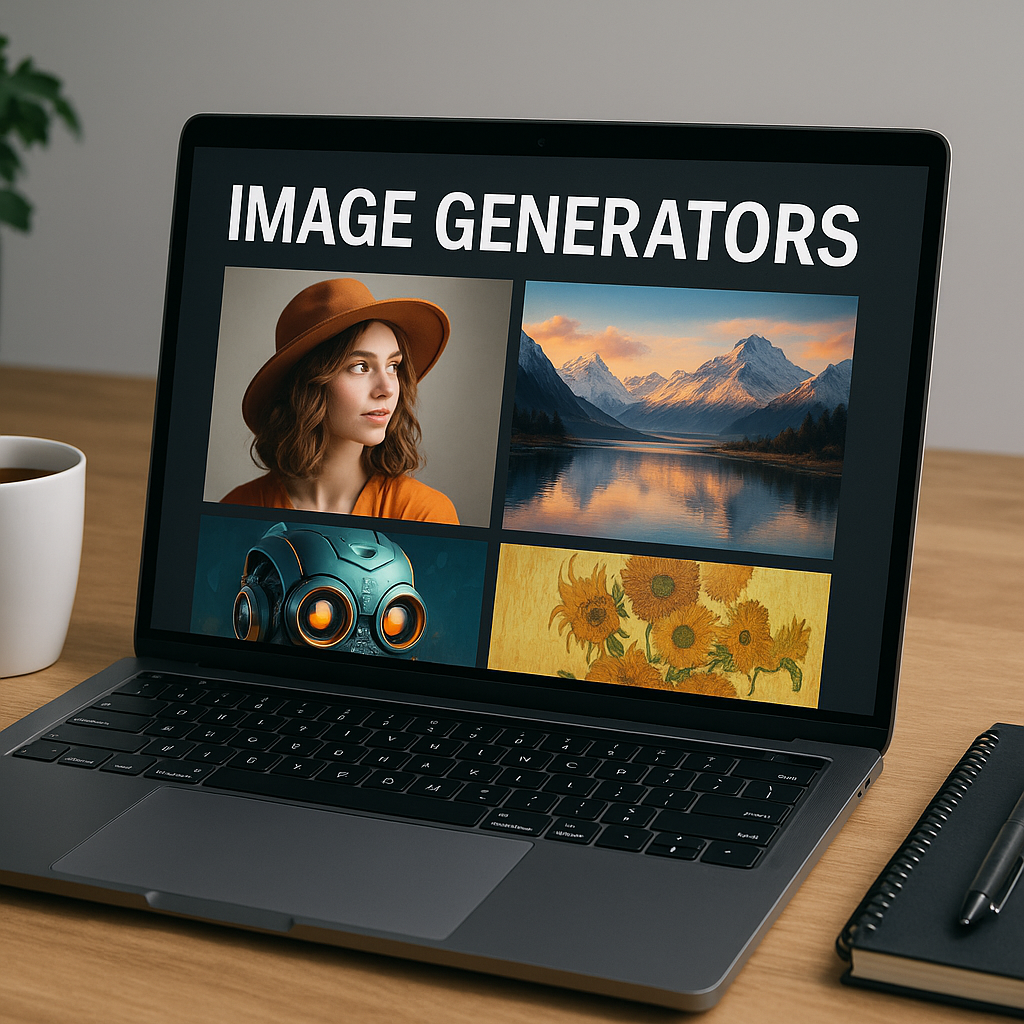
Image Generators
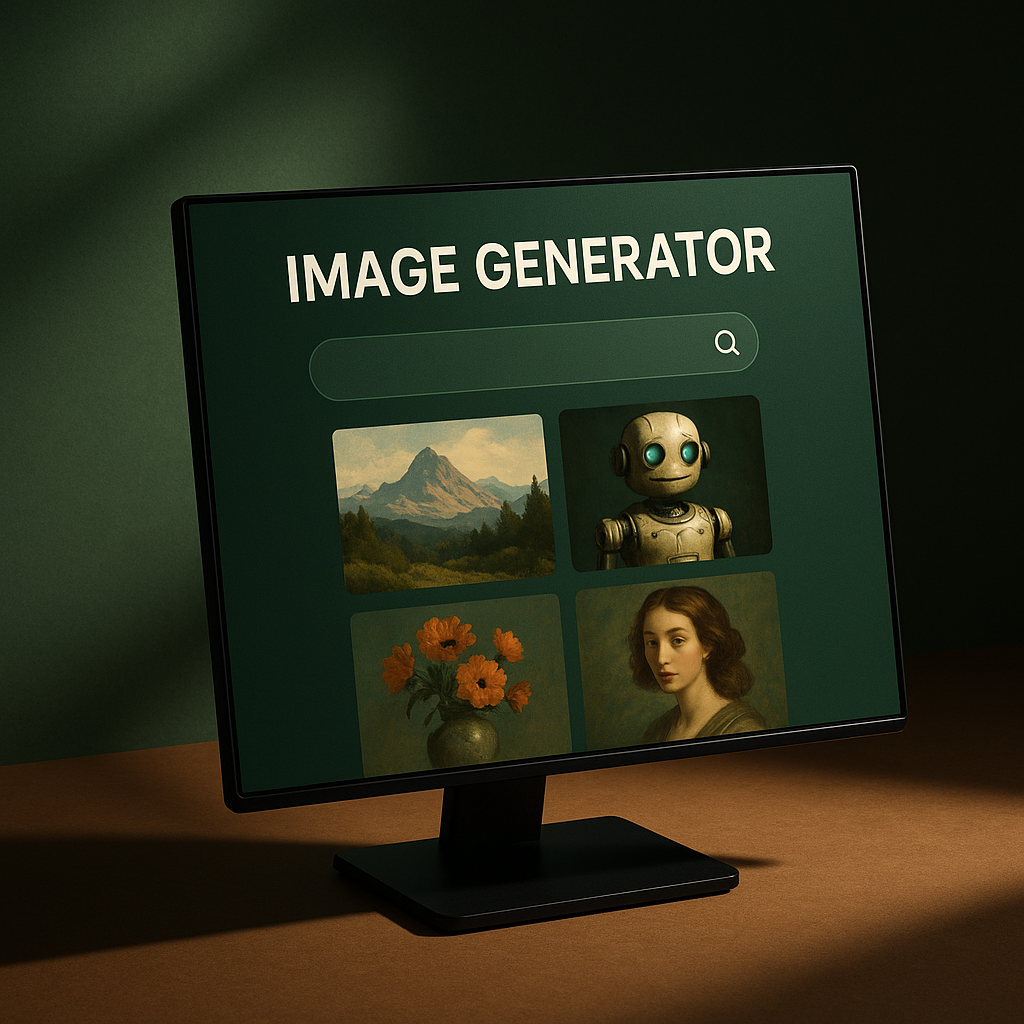
In recent years, the rise of image generators has revolutionised the way we create and interact with visual content. These advanced AI-driven tools have become increasingly popular among artists, designers, marketers, and even casual internet users, offering a new frontier in digital creativity. With capabilities that range from generating realistic portraits to fantastical landscapes, image generators are transforming both the creative landscape and the broader digital ecosystem.
At the core of this technology lies deep learning, a subset of artificial intelligence that teaches machines to learn from vast amounts of data. By analysing millions of images, these systems can understand patterns, styles, and elements of visual representation. This allows image generators to create new images that mimic the styles they have learned, offering users an almost infinite palette of possibilities.
One of the most notable examples of image generator technology is OpenAI's DALL-E, which has gained significant attention for its ability to create highly detailed images from textual descriptions. Users can input simple phrases or elaborate narratives, and DALL-E translates them into stunning visuals. This capability has not only captured the imagination of creative professionals but has also sparked discussions about the implications of AI in art and creativity.
Another popular tool is Midjourney, which has carved out its niche by providing a more community-driven approach. Users can join Discord servers to collaborate, share their creations, and embark on collective projects. Midjourney emphasises a blend of artistic experimentation and social interaction, making it a favourite among digital artists who appreciate both the technology and the collaborative aspect of creation.
As image generators continue to evolve, they raise important questions about copyright, originality, and the value of human creativity. The debate surrounding ownership is particularly relevant as artists use these tools to enhance their work or even generate entire pieces. Can a piece of art created by an AI be considered original? If an artist uses an image generator to create a work, who owns the rights to that image? These questions are becoming increasingly complex as technology advances and the lines between human and machine-made art blur.
Moreover, the accessibility of image generators has democratized the art world. Individuals without formal training can now create stunning visuals with just a few clicks. This shift has led to a surge in amateur artists and content creators who can produce professional-quality imagery without the need for expensive software or extensive skills in graphic design. The potential for innovation and creativity is enormous, as people from diverse backgrounds contribute to the visual landscape.
However, this accessibility also comes with challenges. The ease of generating images can lead to a flood of low-quality content, making it difficult for genuinely skilled artists to stand out. Additionally, the potential for misuse is a growing concern. Image generators can produce hyper-realistic images that could be used to create disinformation or manipulate public perception. As a result, discussions about responsible usage and ethical considerations surrounding AI-generated content are becoming increasingly urgent.
Furthermore, the environmental impact of training large AI models is a critical consideration. These models require significant computational power, leading to substantial energy consumption. As the demand for more sophisticated image generators increases, so too does the need for sustainable practices within the AI community. Researchers and developers are actively exploring ways to reduce the carbon footprint of AI training processes, ensuring that innovation does not come at the expense of our planet.
Despite these challenges, the future of image generators appears bright. The technology is constantly evolving, with new advancements paving the way for even more sophisticated capabilities. For instance, some developers are now exploring the integration of augmented reality (AR) and virtual reality (VR) into image generation, which could allow users to not only create but also experience their visual content in immersive environments.
The potential applications for image generators are vast and varied. In marketing, businesses are leveraging these tools to create eye-catching advertisements and social media content quickly. In education, image generators can assist in visualising complex concepts, making learning more engaging for students. Additionally, the gaming industry can harness this technology to develop unique assets and environments, enhancing the overall gaming experience.
As we look to the future, it is clear that image generators will play an increasingly significant role in shaping our visual culture. The blend of creativity and technology offers exciting possibilities, as artists and creators continue to push the boundaries of what is achievable. With ongoing discussions about ethics, ownership, and sustainability, the dialogue surrounding image generators will be crucial in guiding their development and integration into our daily lives.
In conclusion, image generators represent a remarkable intersection of art and technology, providing new avenues for creativity while also raising important questions about the nature of art and authorship. As these tools become more integrated into various industries and creative practices, it will be essential for society to engage thoughtfully with the challenges and opportunities they present. The journey of image generation is just beginning, and its impact will undoubtedly resonate across disciplines for years to come.
Recent Posts
Head-to-Head: Comparing Top AI Models in Работа с Нейросетями and Their Impact
червень 16, 2026
Debunking Myths: The Realities of Работа с Нейросетями and AI Models Today
червень 16, 2026
Unlocking Creativity: A Simple Guide to Using Image Generators for Beginners
червень 16, 2026
Maximum Potential
Отримайте повний досвід із планом Pro
ІНФОРМАЦІЯ