лютий 14, 2026
Unlock Your Creativity: Top Image Generators Transforming Digital Art in 2023
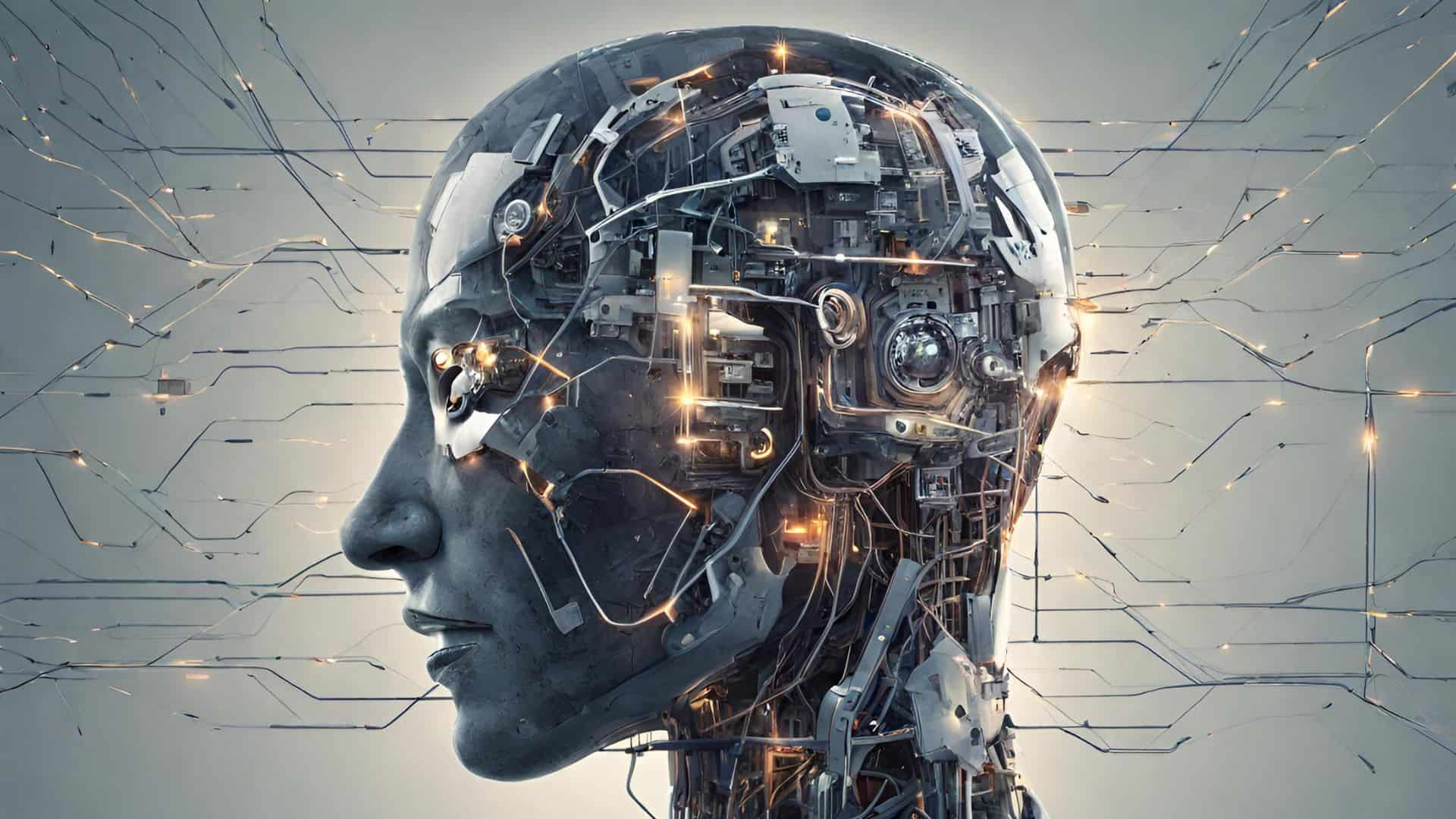
Image Generators
In recent years, the advent of artificial intelligence has transformed numerous industries, and one of the most fascinating developments has emerged in the field of image generation. Powered by advanced machine learning techniques, image generators have captured the imaginations of artists, designers, and tech enthusiasts alike. These AI-driven tools can create stunning visuals from scratch or modify existing images, raising questions about creativity, ownership, and the future of visual arts.
At the core of image generation technology are algorithms known as Generative Adversarial Networks (GANs). Introduced by Ian Goodfellow and his colleagues in 2014, GANs consist of two neural networks – a generator and a discriminator – that work in tandem. The generator creates images, while the discriminator evaluates them, determining whether they are real or fabricated. This back-and-forth process results in increasingly realistic images as the generator learns from its mistakes and improves its output. Over time, GANs have become more sophisticated, capable of producing high-resolution images that are virtually indistinguishable from real photographs.
One of the most well-known examples of image generation technology is OpenAI's DALL-E, which gained significant attention for its ability to generate intricate images based on textual descriptions. Users can input phrases like “a two-headed flamingo wearing a bowler hat,” and within moments, DALL-E produces a unique image that reflects the given description. This capability not only showcases the potential of image generators but also illustrates how they can blur the lines between imagination and reality.
Another popular platform is Midjourney, which has garnered a dedicated following among digital artists looking to explore new creative avenues. Midjourney allows users to generate images from simple prompts, enabling artists to experiment with styles and concepts that they may not have been able to realise through traditional methods. This innovative approach to creativity has led many to embrace AI as an ally rather than a competitor, fostering a collaborative relationship between human artists and machine-generated content.
Despite these advancements, the rise of image generators has not been without controversy. One of the primary concerns revolves around copyright and ownership. As AI systems learn from vast datasets of existing images, questions arise regarding the originality of the generated content. Who owns the rights to an image created by an algorithm? Is it the programmer, the user who input the prompt, or the creator of the original images that the AI was trained on? These unresolved issues have prompted debates within the legal community and among artists, with many calling for clearer regulations and guidelines to protect intellectual property.
The ethical implications of image generators extend beyond ownership. With the ability to create hyper-realistic images, there is a growing concern about their potential misuse. Deepfakes, a technology enabled by similar AI techniques, have already demonstrated how easily misinformation can be spread through manipulated visuals. The line between authenticity and fabrication is becoming increasingly blurred, prompting calls for greater transparency in the use of AI-generated content. As image generators become more accessible, the responsibility lies with users to employ these tools ethically and responsibly.
In addition to the challenges that accompany image generation technology, there are also exciting opportunities for various sectors. The advertising industry, for example, has begun to harness the power of AI-generated images to create compelling campaigns at a fraction of the cost and time associated with traditional photography. Brands can quickly generate tailored visuals that resonate with their target audience, streamlining the creative process and allowing for greater experimentation.
The fashion industry has also embraced image generators, using them to visualise concepts and designs before committing to production. This capability not only saves resources but also enables designers to push the boundaries of creativity. By generating unique patterns and styles, AI can inspire fashion houses to explore uncharted territories, resulting in innovative collections that reflect the evolving tastes of consumers.
In the realm of gaming and entertainment, image generators are revolutionising concept art and character design. Game developers can quickly create diverse environments and character models, enhancing the overall gaming experience. This technology allows for rapid prototyping, enabling studios to iterate on ideas and visual elements more efficiently than ever before.
As image generation technology continues to evolve, the future holds immense potential for further advancements. Researchers are exploring new techniques to enhance the creativity of AI systems, allowing them to not only generate images but also understand context and intent more deeply. This could lead to the development of AI that collaborates with human artists in more meaningful ways, inspiring a new wave of creativity that combines the strengths of both human intuition and machine precision.
Furthermore, the integration of image generators into everyday tools and platforms is likely to become more prevalent. Applications across various sectors, from social media to education, may soon feature AI-generated content as a standard option, empowering users to create visually striking materials with ease. As technology becomes more accessible, the barriers to entry for creative expression will continue to diminish, allowing a broader audience to engage with and benefit from AI-generated imagery.
In conclusion, image generators represent a remarkable intersection of technology and creativity, offering exciting possibilities while also presenting significant challenges. As the industry grapples with issues of ownership, ethics, and potential misuse, it is essential for stakeholders to engage in constructive dialogue to shape a future where AI serves as a collaborator rather than a contender. Ultimately, as these tools become more integrated into the fabric of creative industries, they hold the promise of unlocking new realms of artistic expression, innovation, and imagination.
Recent Posts
Head-to-Head: Comparing Top AI Models in Работа с Нейросетями and Their Impact
червень 16, 2026
Debunking Myths: The Realities of Работа с Нейросетями and AI Models Today
червень 16, 2026
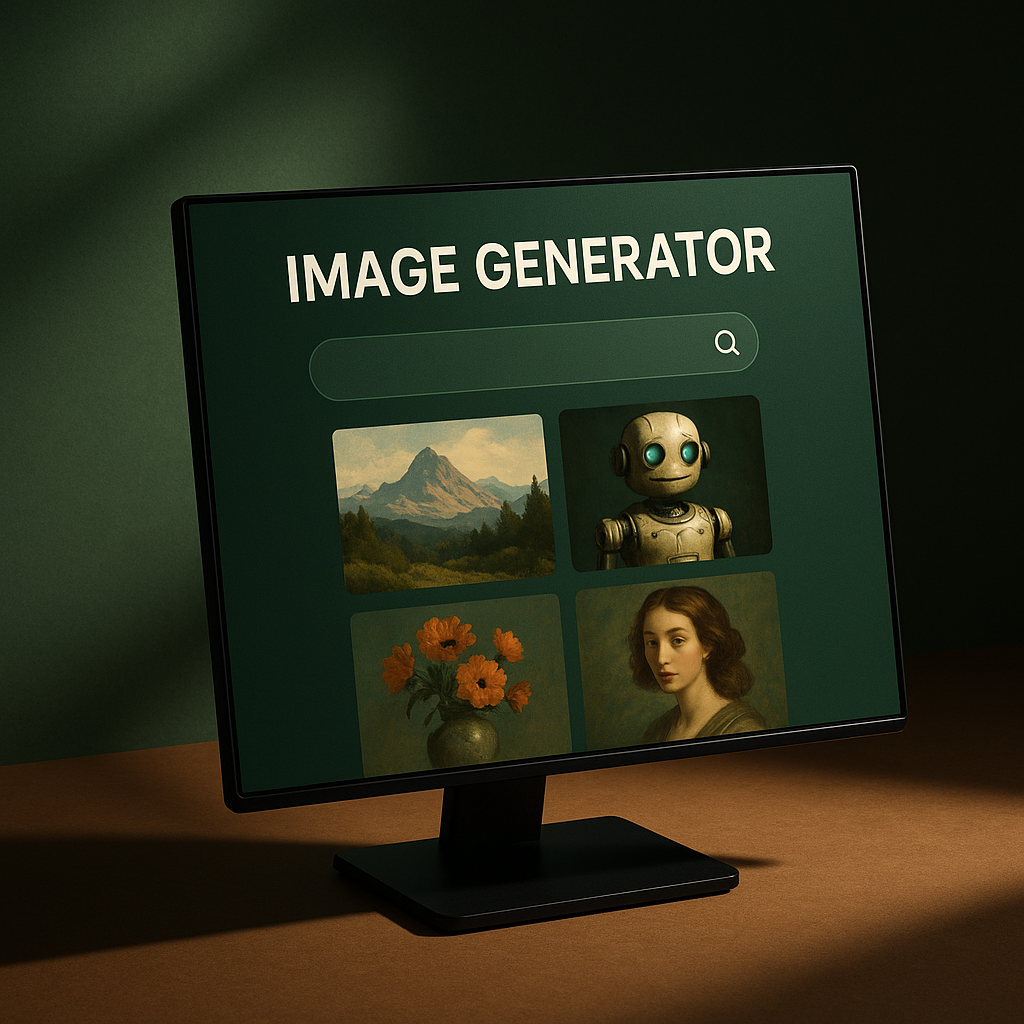
Unlocking Creativity: A Simple Guide to Using Image Generators for Beginners
червень 16, 2026
Maximum Potential
Отримайте повний досвід із планом Pro
ІНФОРМАЦІЯ