березень 16, 2026
Unlock Your Creativity: Top Image Generators Transforming Visual Content in 2023
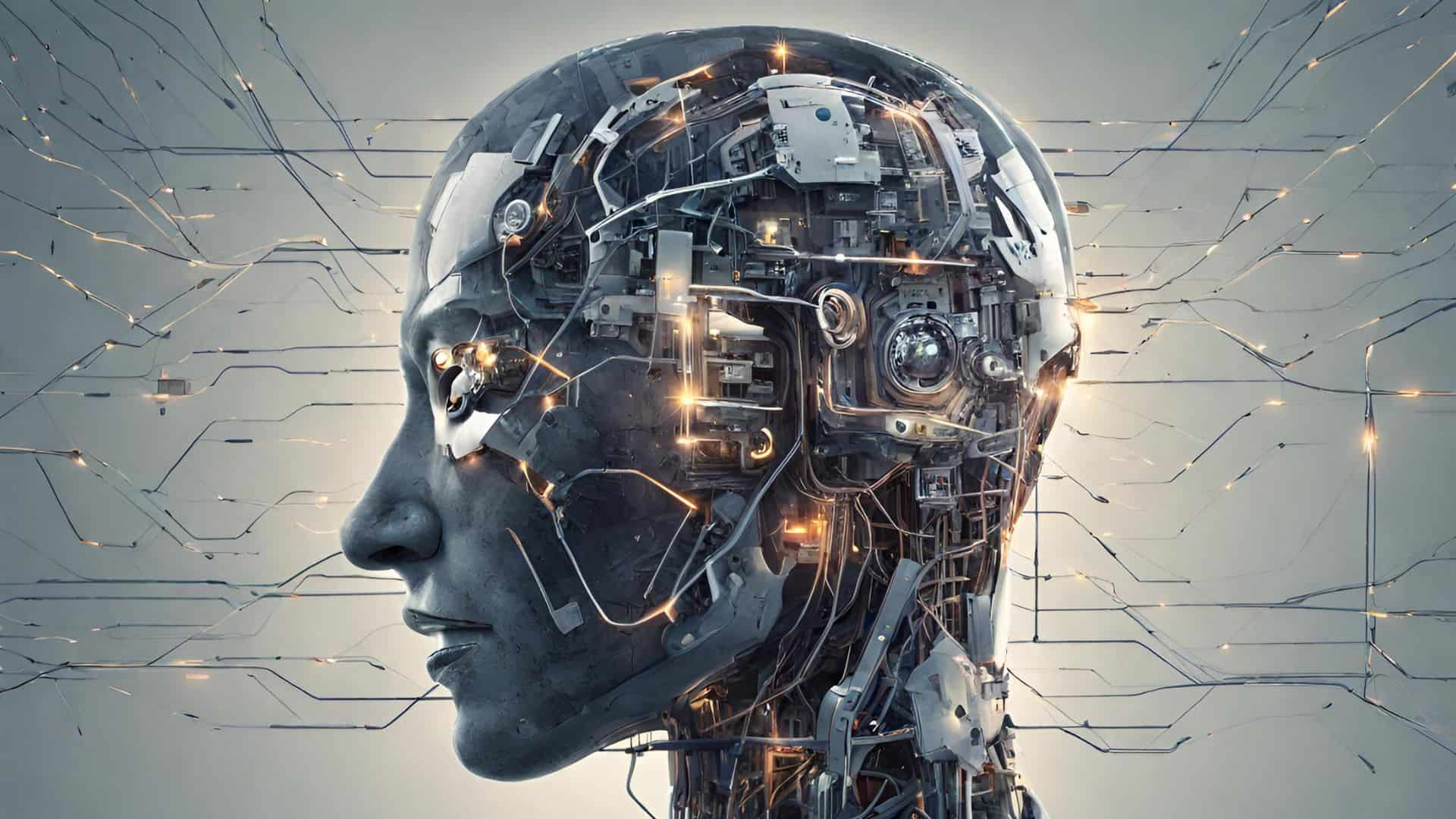
Image Generators
In recent years, the rise of artificial intelligence has transformed various fields, and one of the most captivating developments has been in image generation technology. These innovative tools, known as image generators, have sparked a revolution in the creative and digital industries, allowing users to create stunning visuals with minimal effort. From artists and designers to marketers and social media influencers, the applications of image generators are vast, and their impact is being felt across multiple sectors.
At the core of image generation is the use of sophisticated algorithms and neural networks, which enable machines to analyse patterns in existing images and generate new ones that mimic or expand upon those styles. Deep learning models, such as Generative Adversarial Networks (GANs), have become particularly popular due to their ability to produce high-quality, realistic images. GANs operate by pitting two neural networks against each other: one generates new images while the other evaluates them, leading to a continuous cycle of improvement until the output is indistinguishable from real photographs.
One of the most well-known image generators is OpenAI's DALL-E, which gained significant attention for its ability to create detailed images from textual descriptions. Users can input phrases such as "a cat wearing a space suit" and receive multiple unique images that portray exactly that scenario. This innovative approach not only showcases the potential for creativity but also highlights how image generators can assist in visual storytelling, enabling content creators to bring their ideas to life without the need for extensive artistic skills.
The accessibility of these tools has democratized art and design, allowing individuals without formal training to produce professional-quality images. Platforms like Midjourney and Stable Diffusion have emerged, offering user-friendly interfaces that invite anyone to experiment with image creation. This has led to a surge in user-generated content, with social media platforms inundated with AI-generated art, often blurring the lines between human creativity and machine output.
However, the rise of image generators has not been without its controversies. As the technology becomes more advanced, concerns regarding copyright infringement and the ethical implications of AI-generated content are coming to the forefront. For instance, if an AI generates an image that closely resembles an existing artwork, questions arise as to who owns the rights to that image. Artists express fears that their work could be used as training data without permission, leading to potential financial losses and dilution of their unique styles.
Furthermore, the potential for misuse of image generation technology poses additional ethical dilemmas. Deepfakes, a related application of AI where existing images or videos are manipulated to create realistic yet false representations, have raised alarms regarding misinformation. As the technology becomes more sophisticated, the risk of creating misleading or harmful content increases, prompting calls for regulatory measures to govern the use of such tools.
In response to these concerns, some companies are implementing measures to protect intellectual property and ensure responsible usage of their platforms. For instance, OpenAI has established guidelines that prohibit the generation of harmful or misleading content and encourages users to disclose when images are AI-generated. These initiatives aim to foster a responsible environment for creativity while addressing the potential risks associated with the technology.
Despite these challenges, the positive implications of image generators cannot be overlooked. Businesses are increasingly leveraging these tools for marketing and branding purposes. Customised visuals can be generated quickly, allowing companies to experiment with different aesthetics and concepts without the need for extensive resources. This agility is particularly valuable in a fast-paced digital landscape, where capturing attention is crucial for success.
Moreover, image generators are proving to be beneficial in fields such as gaming and virtual reality. Game developers can use AI to create expansive, immersive environments with unique assets generated on-the-fly, enhancing the gaming experience. Similarly, virtual reality applications can harness these tools to create dynamic scenarios that adapt to user interactions, opening new avenues for storytelling and engagement.
In the art world, many creators are embracing image generators as collaborative tools rather than replacements for human creativity. Artists are using AI to explore new styles, generate inspiration, or even co-create works, leading to a hybrid form of artistry that combines human intuition with machine learning capabilities. This collaborative approach underscores a broader trend in which technology serves as an enabler of creativity rather than a barrier.
Education is another area where image generators are making a significant impact. Schools and universities are beginning to integrate AI tools into their curricula, allowing students to explore the intersection of technology and creativity. By learning how to use these tools effectively, future generations can develop skills that are increasingly relevant in a technology-driven job market.
The rapid evolution of image generation technology shows no signs of slowing down, with ongoing research focused on improving the quality and versatility of AI-generated visuals. As these tools become more sophisticated, the possibilities for their application will continue to expand, presenting exciting opportunities for creativity across various sectors.
In conclusion, image generators represent a fascinating intersection of technology and creativity, offering a glimpse into the future of visual content creation. While they pose certain ethical challenges and risks, their potential to democratise art, enhance marketing strategies, and foster collaborations cannot be understated. As we navigate this new landscape, it is essential for stakeholders across industries to engage in discussions about responsible use and the implications of AI in creative fields, ensuring that the technology serves to enrich rather than diminish the human experience of art and creativity.
Recent Posts
Head-to-Head: Comparing Top AI Models in Работа с Нейросетями and Their Impact
червень 16, 2026
Debunking Myths: The Realities of Работа с Нейросетями and AI Models Today
червень 16, 2026
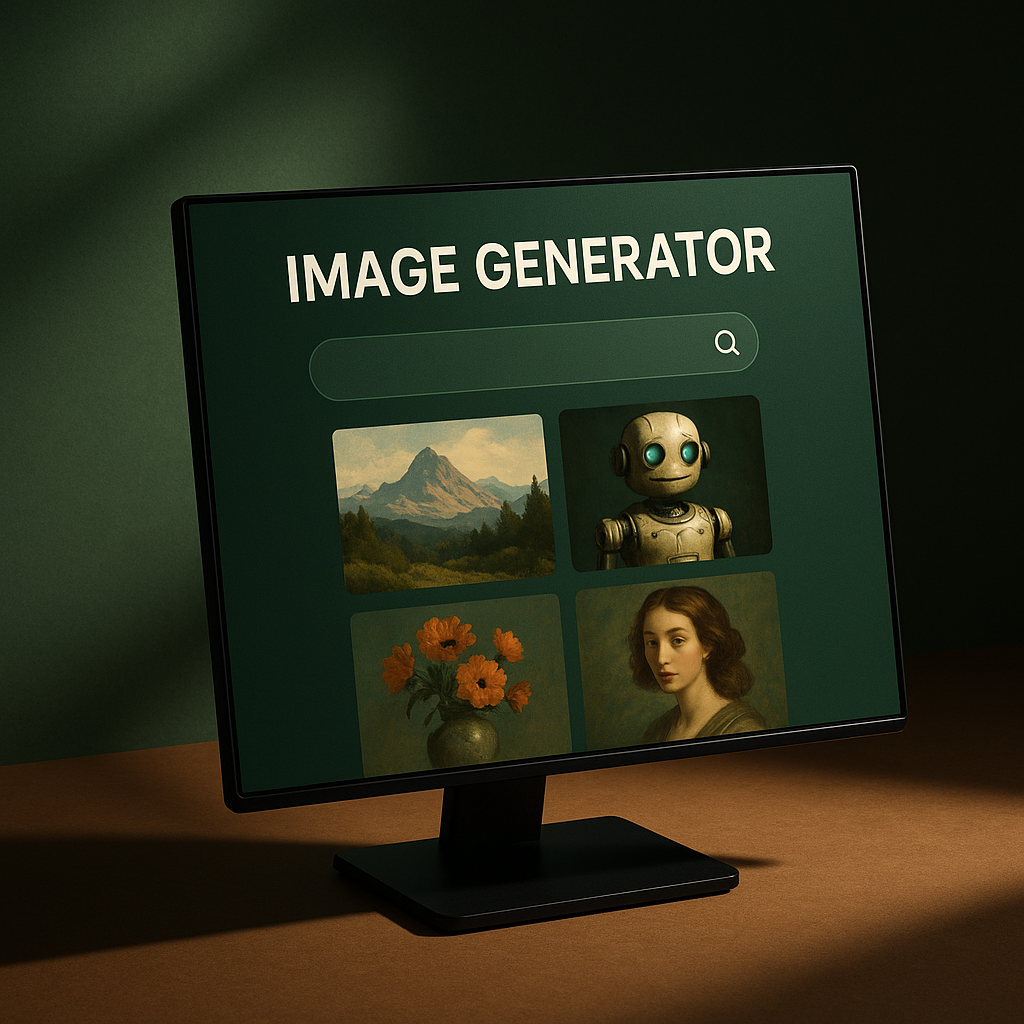
Unlocking Creativity: A Simple Guide to Using Image Generators for Beginners
червень 16, 2026
Maximum Potential
Отримайте повний досвід із планом Pro
ІНФОРМАЦІЯ