травень 29, 2026
Unlocking Creativity: A Case Study on Image Generators in Action
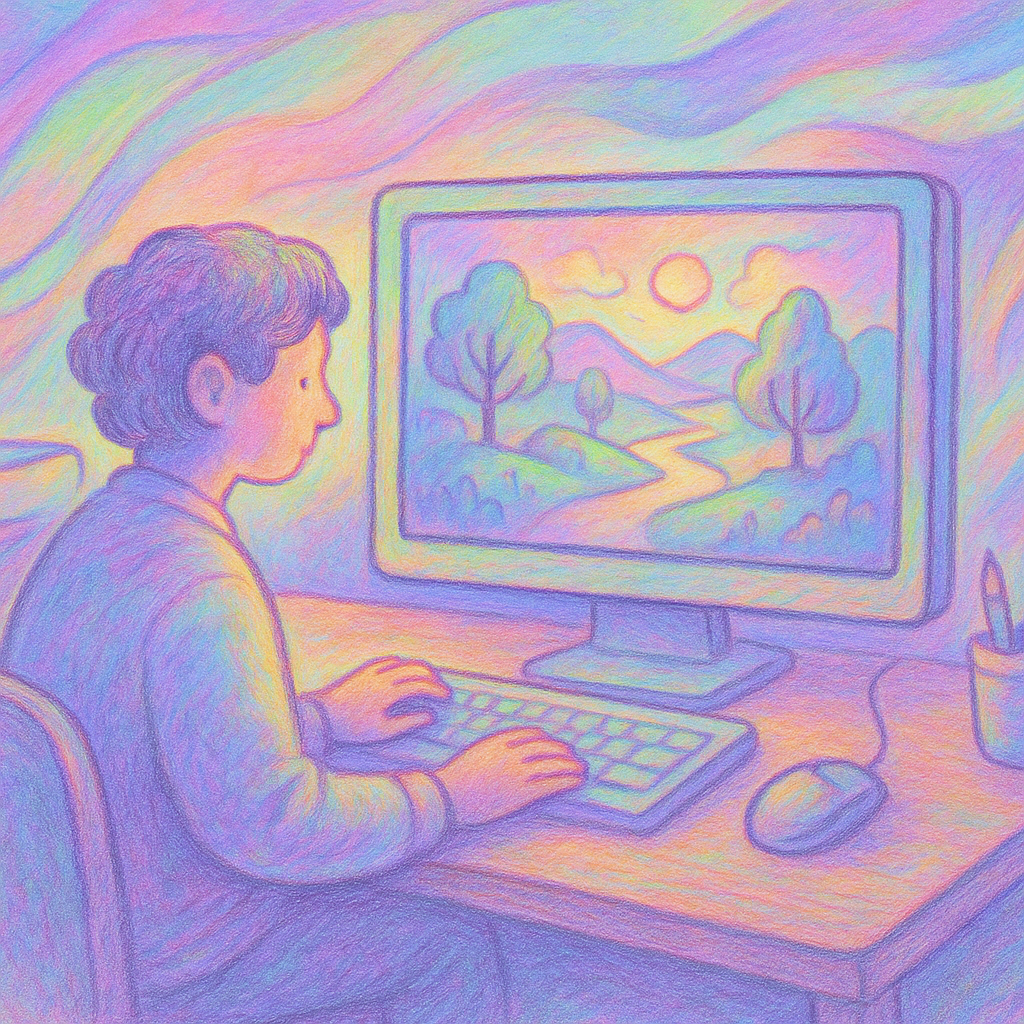
Image Generators
In recent years, image generators powered by artificial intelligence (AI) have revolutionised various sectors, including advertising, entertainment, and even education. One notable case study that exemplifies the impact of these technologies is the collaboration between a well-known fashion brand and an AI startup specialising in generative art. This partnership highlights not only the creative capabilities of AI but also its commercial viability, setting a precedent for future applications across industries.
As brands increasingly move to digital platforms, they seek innovative ways to engage consumers. The fashion industry has recognised the potential of AI-generated imagery to create captivating marketing campaigns and streamline design processes. In this partnership, the fashion brand aimed to enhance their seasonal marketing strategy while maintaining their identity and connecting with a tech-savvy audience.
The Goals of the Collaboration
The primary objectives set by the fashion brand included:
- Creative Exploration: To experiment with unique visuals that blend traditional fashion elements with abstract concepts.
- Cost Efficiency: To reduce costs associated with traditional photoshoots by generating images digitally.
- Rapid Prototyping: To accelerate the design process by generating multiple concepts quickly.
- Consumer Engagement: To captivate a younger demographic known for their appreciation of digital artistry.
The Technology Behind Image Generation
The technology employed in this collaboration focused on Generative Adversarial Networks (GANs), a powerful machine learning architecture. GANs consist of two neural networks—the generator and discriminator—that work against each other to produce high-quality images. The generator creates images from random noise, while the discriminator evaluates them against real images. Over time, this process results in stunning visuals that can mimic the style and essence of existing works or create entirely new concepts.
This technology allows designers to input parameters such as colour schemes, patterns, or thematic elements. The AI then produces a series of images based on these inputs. In this case study, designers were able to generate hundreds of unique designs within minutes—a task that would typically take weeks using conventional methods.
The Process
The collaboration was structured into three main phases:
Phase 1: Concept Development
This phase involved brainstorming sessions where designers articulated their vision for the upcoming collection. They provided initial inspiration through mood boards containing textures, colours, and styles representative of their brand identity. Subsequently, these inputs were fed into the AI system to generate preliminary designs that aligned with their creative vision.
Phase 2: Image Generation
Once initial concepts were established, designers used an intuitive interface developed by the AI startup to refine parameters further. The output was impressive; thousands of variations were generated in mere hours. Designers selected favourites based on aesthetic appeal and commercial potential before narrowing down selections for final development.
Phase 3: Real-World Testing
The selected images from this AI-driven process were then incorporated into targeted marketing campaigns through social media ads and promotional materials on the brand's website. The campaign resonated particularly well with Gen Z consumers who favour content perceived as innovative and visually striking.
The Results
The outcomes from this collaboration exceeded expectations across various metrics:
- User Engagement: Social media engagement rates soared by 40% compared to previous campaigns that solely relied on traditional photography.
- Cost Savings: By reducing reliance on physical photoshoots—typically expensive due to location fees and professional models—the brand saved approximately 30% on visual content production costs.
- Faster Time-to-Market: The rapid generation of designs allowed quicker adaptations based on consumer feedback or market trends during peak selling periods like holidays or festivals.
A Q&A With Industry Experts
To gain further insight into this phenomenon, we reached out to industry experts familiar with AI-generated imagery in fashion marketing.
Q: How do you see AI impacting creativity in fashion?A: "AI serves as both a tool and collaborator for designers. It can push boundaries we hadn’t previously considered while allowing us more time for strategic thinking instead of repetitive tasks," explains Dr Lucy Greenfield, a researcher focused on technology integration in creative industries. Q: What are potential hurdles brands may face when implementing image generation?
A: "Brands must navigate issues related to copyright and originality which can be contentious areas when it comes to generative art," warns James Patel from Fashion Innovation Agency. Q: Are there ethical considerations related to using generative imagery?
A:"Absolutely! As brands explore these new tools, transparency about AI’s role versus human creativity is vital for fostering trust among consumers," says Claire Weston, an ethics consultant in digital marketing.
The Future of Image Generation in Fashion
This case study showcases how image generators are not just novelties but integral players shaping modern branding strategies. As more companies adopt similar technologies, they will likely become standard practices—to match consumer expectations while enhancing operational efficiency within design teams.
This trend is indicative not only of changes within individual businesses but also signals broader shifts across industries embracing advanced technologies as part of everyday operations—ultimately creating a richer interplay between art and science in our increasingly digital world.
The continued evolution will undoubtedly yield exciting developments; perhaps one day consumers will directly influence what art gets generated next—a true testament to collaborative creativity powered by artificial intelligence!
Recent Posts
Head-to-Head: Comparing Top AI Models in Работа с Нейросетями and Their Impact
червень 16, 2026
Debunking Myths: The Realities of Работа с Нейросетями and AI Models Today
червень 16, 2026
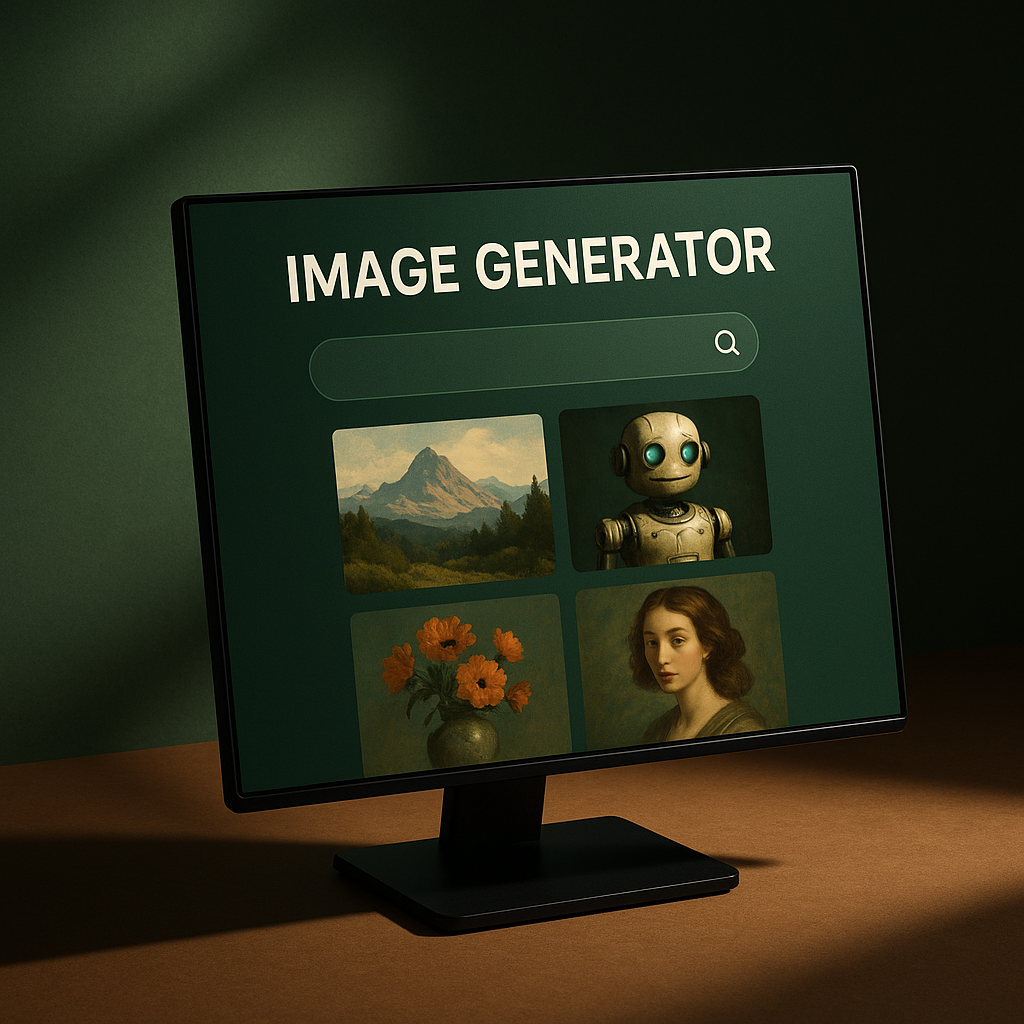
Unlocking Creativity: A Simple Guide to Using Image Generators for Beginners
червень 16, 2026

Maximum Potential
Отримайте повний досвід із планом Pro
ІНФОРМАЦІЯ