лютий 17, 2026
Unlocking Creativity: How Image Generators are Revolutionising Digital Art
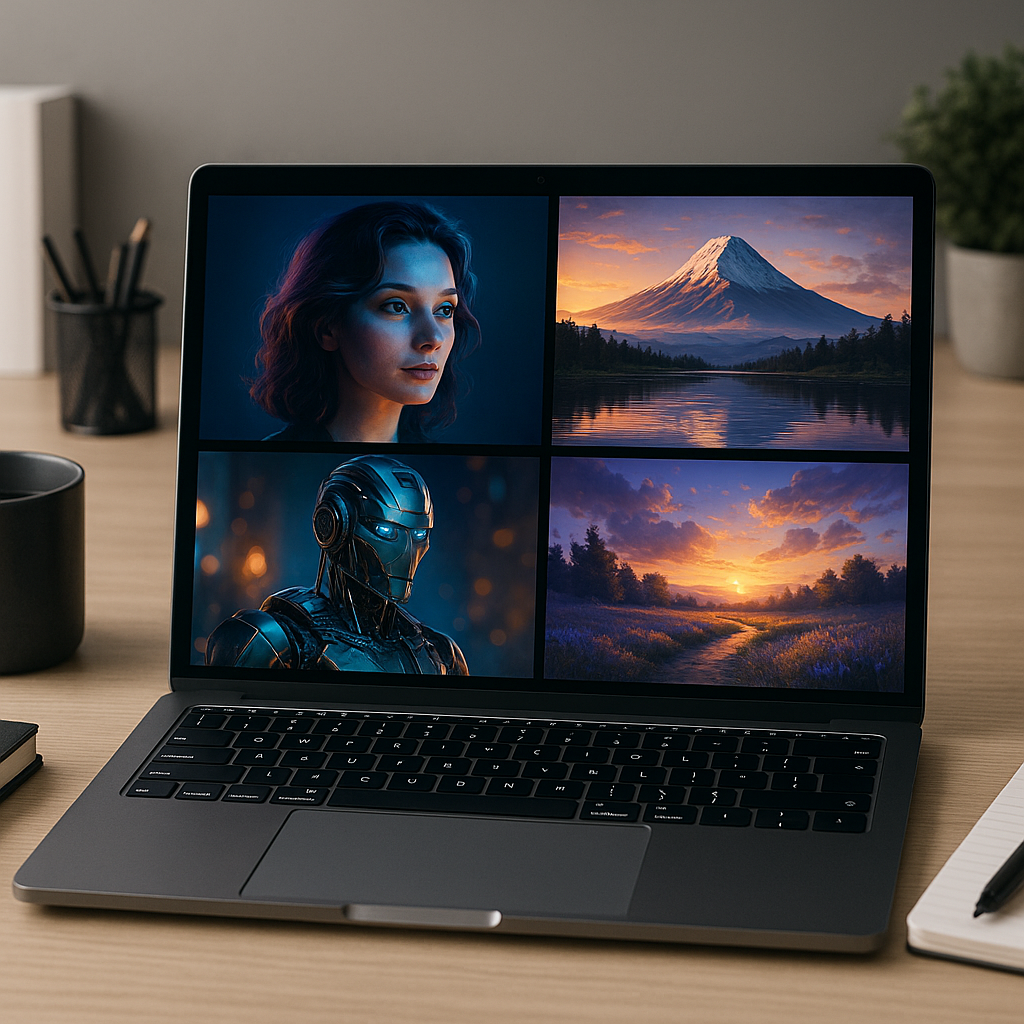
Image Generators
In recent years, the landscape of digital art and content creation has been dramatically transformed by the emergence of image generators powered by artificial intelligence (AI). These sophisticated tools, which employ algorithms to create visual content from textual descriptions, are rapidly gaining popularity among artists, designers, marketers, and even casual users. The implications of this technology are vast, raising questions about creativity, ownership, and the future of visual arts.
At the heart of these innovations lies a process known as Generative Adversarial Networks (GANs). This technology involves two neural networks—the generator and the discriminator—working in tandem. The generator creates images, while the discriminator evaluates them against real images. This back-and-forth process enables the generator to refine its outputs, leading to increasingly realistic results. The latest advancements in AI image generation mean that users can simply input text prompts, and the software will produce corresponding images in a matter of seconds.
Popular platforms like DALL-E by OpenAI, Midjourney, and Stable Diffusion have demonstrated the immense potential of AI image generators. DALL-E, for instance, can generate unique and intricate images based on specific textual prompts, ranging from “a two-headed flamingo in a surreal landscape” to “a vintage-style poster of a futuristic city.” The results can be striking and often challenge traditional notions of artistry and creation.
One of the most significant advantages of AI image generators is their accessibility. With minimal technical knowledge, anyone can create high-quality images for a variety of purposes. This democratization of art has empowered individuals and businesses alike to produce marketing materials, social media content, and personal projects without the need for expensive software or professional design skills. For small businesses, this can mean a more cost-effective way to create branding visuals, while for educators and students, it opens up new avenues for creative expression.
However, as with any disruptive technology, the rise of image generators is accompanied by a host of ethical concerns. One of the most pressing issues is the question of copyright and ownership. If an AI generates an image based on a prompt provided by a user, who owns the rights to that image? Current laws are ill-equipped to address this new reality, leading to potential legal ambiguities. Artists fear that their styles could be mimicked without consent or compensation, undermining their livelihoods and creative output.
The debate over copyright extends to the datasets used to train these AI models. Many image generators have been trained on vast datasets scraped from the internet, which can include copyrighted material. This raises concerns about whether the use of such data constitutes fair use or infringes upon the rights of the original creators. As AI image generation becomes more prevalent, it is likely that legislators and copyright organisations will need to adapt existing frameworks to ensure fair practices are upheld.
Moreover, the quality and authenticity of AI-generated images can sometimes blur the lines of reality and fiction. While the technology offers the ability to create stunning visuals, there is a risk that it could be employed to produce misleading or harmful content. This potential for misuse highlights the importance of ethical guidelines and responsible usage of AI tools. Companies and developers in the field are increasingly recognising the need for transparency in how AI is trained and the types of data used, as well as implementing safeguards to prevent the generation of harmful content.
Despite these challenges, the creative possibilities offered by AI image generators are undeniable. Artists are beginning to embrace these tools as collaborators rather than competitors. Many are experimenting with AI-generated art, blending their own creativity with the capabilities of the technology. This hybrid approach can lead to innovative artworks that push the boundaries of traditional creative practices, prompting discussions about the nature of authorship and originality in the digital age.
In addition to individual artists, businesses are also harnessing the power of image generators for marketing and branding. Companies can generate custom visuals tailored to their target audience, saving time and resources while maintaining a unique brand identity. Furthermore, as AI-generated images become more prevalent, brands that adopt this technology may find themselves ahead of the curve, appealing to tech-savvy consumers who appreciate innovation.
As image generators continue to evolve, the technology is expected to improve in terms of quality and capabilities. Future developments may include the ability to create animated visuals or interactive content, further expanding the horizons of what AI can achieve in the creative space. Additionally, as users become more familiar with these tools, new styles and genres of art—unique to AI-generated imagery—are likely to emerge, enriching the art world with fresh perspectives and techniques.
In the educational sector, AI image generators offer exciting opportunities for learning and development. Art students can use these tools to explore concepts of design, colour theory, and composition, while also engaging in discussions about the implications of AI in art. By integrating such technology into curricula, educational institutions can prepare the next generation of artists for a landscape where AI is a significant player.
In conclusion, image generators are reshaping the way we think about art and creativity. While they offer unprecedented opportunities for innovation and accessibility, they also pose significant ethical and legal challenges that must be addressed. As society navigates this new terrain, it is essential to foster a dialogue among artists, technologists, and policymakers to ensure that the benefits of AI are realised while protecting the rights and interests of creators. The future of visual arts may very well depend on our ability to balance these dynamic forces in an increasingly digital world.
Recent Posts
Head-to-Head: Comparing Top AI Models in Работа с Нейросетями and Their Impact
червень 16, 2026
Debunking Myths: The Realities of Работа с Нейросетями and AI Models Today
червень 16, 2026
Unlocking Creativity: A Simple Guide to Using Image Generators for Beginners
червень 16, 2026
Maximum Potential
Отримайте повний досвід із планом Pro
ІНФОРМАЦІЯ