квітень 10, 2026
Unlocking Creativity: How Image Generators are Revolutionising Digital Art
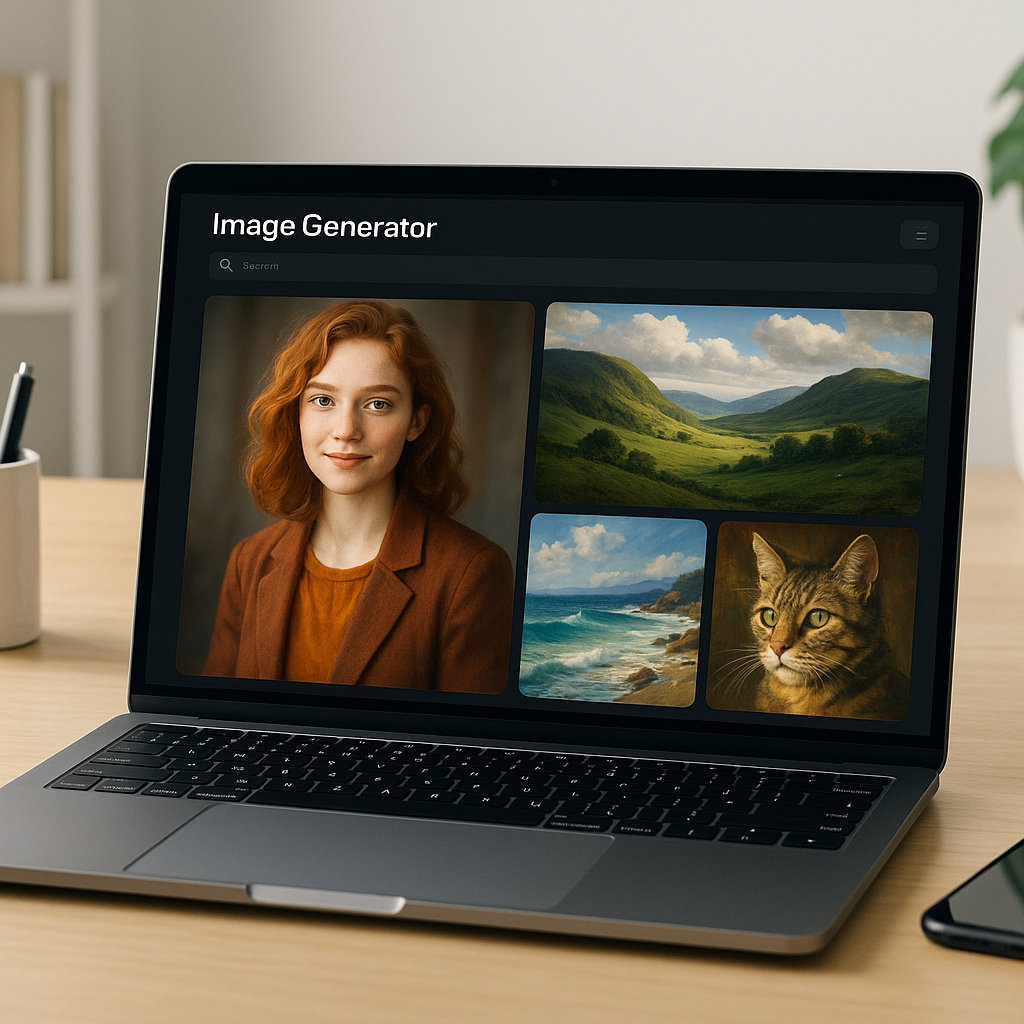
Image Generators
In recent years, the rise of artificial intelligence has given birth to a new wave of creativity in the digital realm, particularly through image generators. These innovative tools leverage advanced algorithms and machine learning techniques to create stunning visuals from textual descriptions, transforming the way we think about art, design, and content creation. As technology continues to evolve, the implications of these tools stretch across various sectors, sparking both excitement and concern in equal measure.
At the heart of image generation technology are deep learning models, particularly Generative Adversarial Networks (GANs) and diffusion models. GANs work by pitting two neural networks against each other—one generates images while the other critiques them. This adversarial process leads to the creation of remarkably realistic images over time. Diffusion models, on the other hand, generate images by gradually refining random noise into a coherent picture, often resulting in high-quality outputs that can be indistinguishable from human-created art.
One of the most notable platforms in this space is OpenAI's DALL-E, which gained widespread attention for its ability to create intricate and bizarre images from simple prompts. Users can input a phrase like “an astronaut riding a horse in a futuristic city,” and DALL-E will generate a unique image that reflects that description. Following DALL-E, other platforms such as Midjourney and Stable Diffusion have emerged, each contributing their unique flair and capabilities to the growing market of image generation.
The accessibility of these tools has democratized artistic expression, allowing individuals without formal training in design or art to create compelling visuals. Small business owners, marketers, and social media influencers are among those who have quickly adopted image generators to produce engaging content at a fraction of the cost and time previously required. For instance, a small e-commerce brand can use an image generator to create product images or promotional graphics that resonate with their target audience, enhancing their online presence without the need for expensive photographers or graphic designers.
Moreover, educational institutions are beginning to integrate these technologies into their curricula. Students in art and design programs are exploring the capabilities of image generators not only to create art but also to understand the underlying algorithms and ethical considerations involved. This fusion of technology and creativity is preparing a new generation of artists who can work alongside machines, pushing the boundaries of what is possible in visual storytelling.
However, the rise of image generators is not without its challenges. Concerns about copyright and intellectual property are at the forefront of discussions surrounding these technologies. As algorithms learn from vast datasets that include existing artworks, questions arise about the ownership of the images they produce. If an image generator creates a piece that closely resembles a famous artwork, who holds the rights? This ambiguity has prompted calls for clearer regulations and guidelines to protect the rights of original artists while fostering innovation in the digital space.
Another pressing issue is the potential for misuse of these technologies. Image generators can create hyper-realistic images that could be used to spread misinformation or create deepfakes, leading to serious ethical implications. The ability to produce fake images with alarming accuracy poses a significant threat to trust in visual media, prompting calls for the development of detection tools that can identify AI-generated content. Tech companies and researchers are working tirelessly to devise solutions that ensure transparency in the use of image generation technologies.
Despite these challenges, the benefits of image generators are extensive and continue to grow. Industries such as gaming, film, and advertising are increasingly utilising AI-generated images for concept art, marketing materials, and even final products. With the ability to quickly iterate on designs and concepts, creative teams can explore a multitude of ideas in a fraction of the time it would take using traditional methods.
Furthermore, the integration of image generators with other forms of AI, such as natural language processing, presents exciting possibilities. For example, combining image generation with conversational AI could lead to immersive storytelling experiences where users interact with dynamic visuals based on their input. This convergence of technologies is likely to reshape how we consume and engage with content, offering novel experiences that were once the realm of science fiction.
The future of image generators is bright, with ongoing research and development promising even more sophisticated capabilities. As deep learning models become more adept at understanding context and nuance, the quality and relevance of generated images are expected to improve significantly. This evolution will not only enhance creative possibilities but also push the boundaries of what constitutes art in the digital age.
In conclusion, image generators represent a remarkable intersection of technology and creativity, offering unprecedented opportunities for expression and innovation. While challenges such as copyright concerns and ethical implications loom large, the potential benefits for artists, businesses, and educational institutions are immense. As we navigate this new landscape, it is essential to foster a dialogue around responsible usage, ensuring that these powerful tools are harnessed to inspire rather than mislead. The future of image generation holds promise, and as we continue to explore its capabilities, the only limit may be our imagination.
Recent Posts
Head-to-Head: Comparing Top AI Models in Работа с Нейросетями and Their Impact
червень 16, 2026
Debunking Myths: The Realities of Работа с Нейросетями and AI Models Today
червень 16, 2026
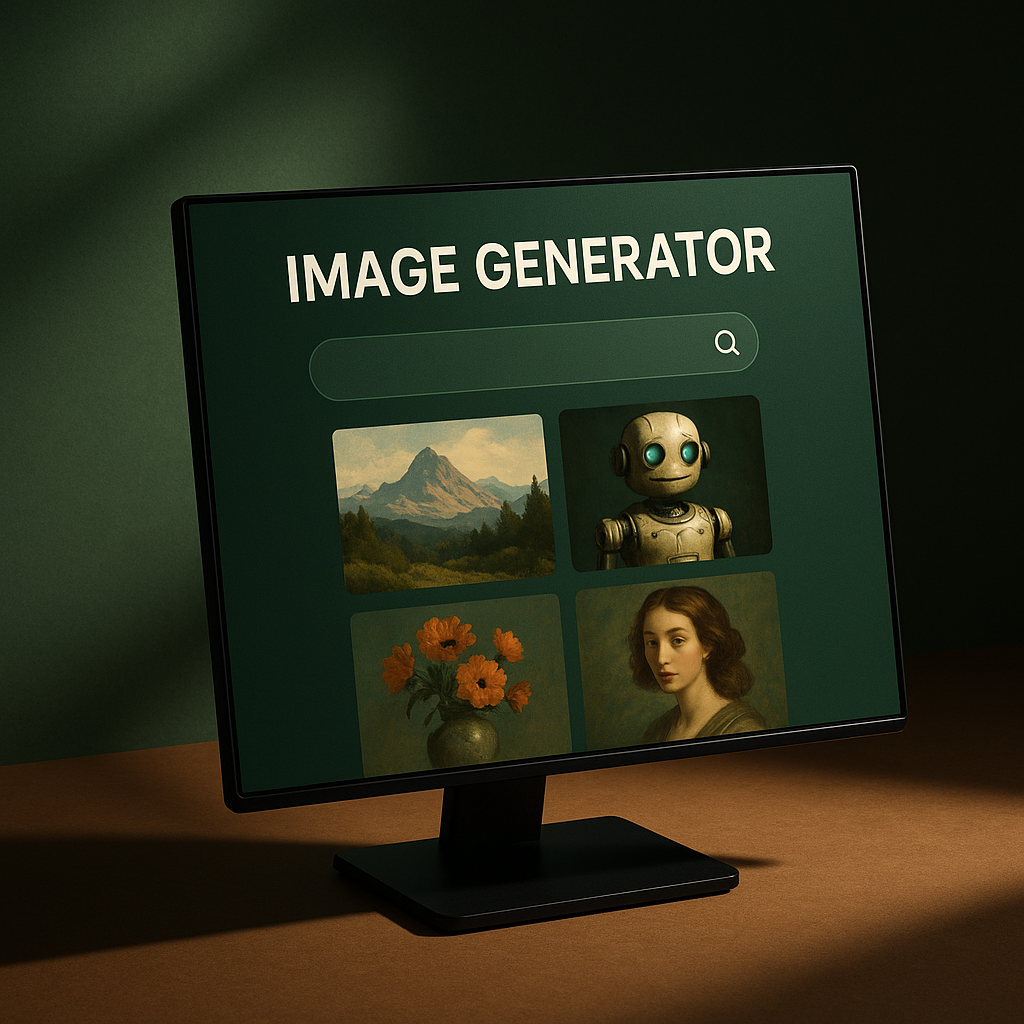
Unlocking Creativity: A Simple Guide to Using Image Generators for Beginners
червень 16, 2026
Maximum Potential
Отримайте повний досвід із планом Pro
ІНФОРМАЦІЯ