травень 9, 2026
Unlocking Creativity: How Image Generators Are Revolutionising Digital Art
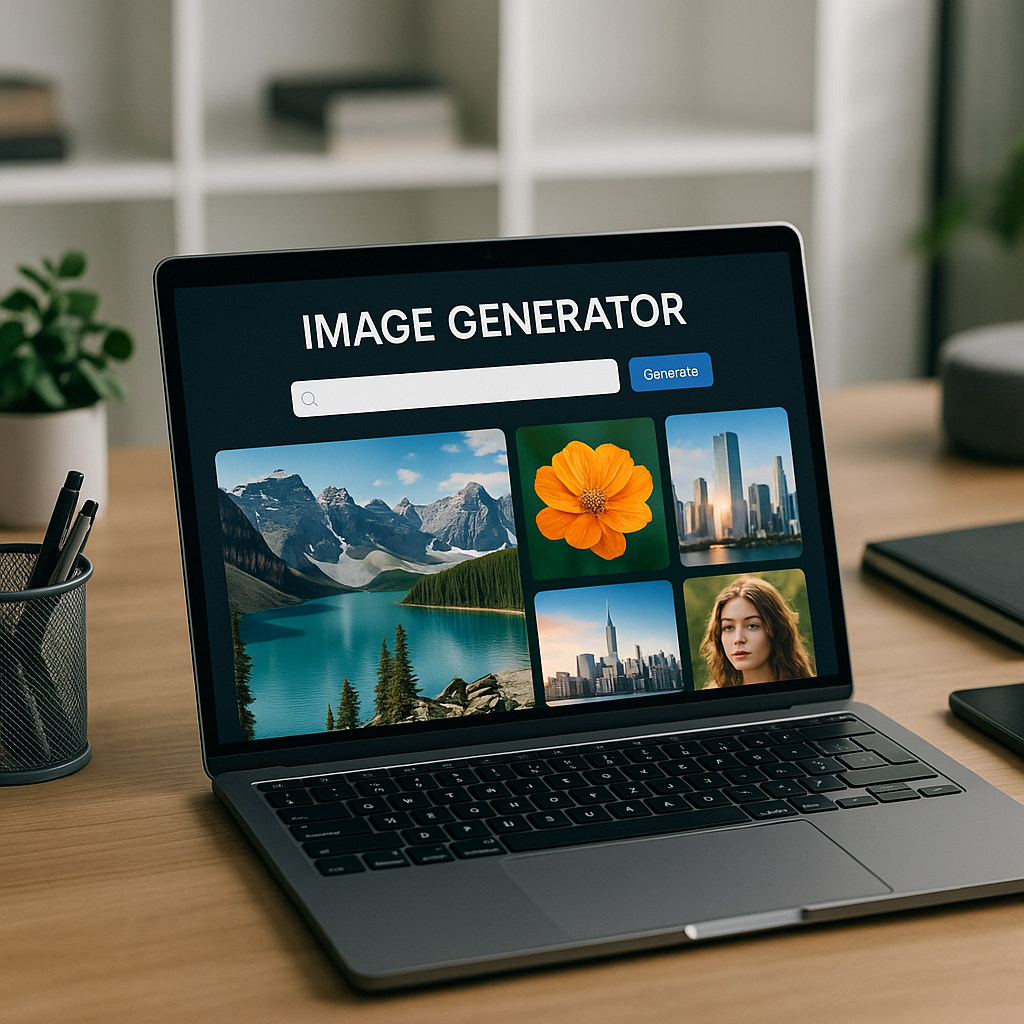
Image Generators
In recent years, the rise of image generators has transformed the landscape of digital creativity, enabling users to create stunning visuals with unprecedented ease. These innovative tools, powered by artificial intelligence, are reshaping industries such as marketing, entertainment, and even education, as they offer an intuitive way to generate high-quality images from simple textual prompts. As technology evolves, the capabilities of image generators continue to expand, raising both excitement and ethical concerns in equal measure.
At the core of the image generation phenomenon are deep learning algorithms, particularly those based on Generative Adversarial Networks (GANs). GANs consist of two neural networks, the generator and the discriminator, that work in tandem to produce images that are indistinguishable from real photographs. The generator creates images based on the input it receives, while the discriminator evaluates the authenticity of these images, providing feedback that helps improve the generator's outputs over time. This process has led to astonishing advancements, with AI now capable of producing artwork, portraits, landscapes, and even fantastical scenes that defy the limits of human imagination.
Several platforms have emerged as frontrunners in the image generation space. Notable examples include OpenAI's DALL-E and Stability AI's Stable Diffusion, both of which have garnered widespread attention for their ability to create intricate and diverse images from textual descriptions. DALL-E, for instance, can generate a wide array of visuals, from a “two-headed flamingo” to “a futuristic cityscape at sunset,” showcasing its versatility and sophistication. Meanwhile, Stable Diffusion has made waves by allowing users to create images locally, enhancing privacy and access for those who may not have reliable internet connections.
The impact of these image generators is felt across various sectors. In the realm of marketing, businesses are leveraging AI-generated images to enhance their branding efforts and engage consumers. With the ability to create unique visuals tailored to specific campaigns, marketers can quickly adapt their strategies without incurring the high costs associated with traditional photography or graphic design. This agility not only streamlines the creative process but also allows brands to experiment with new concepts and designs in real-time.
The entertainment industry has also embraced image generators, using them to conceptualise characters, settings, and promotional materials. Filmmakers and game developers are experimenting with AI-generated imagery to inspire their creative visions, pushing the boundaries of storytelling and aesthetics. For example, visual effects teams can use these tools to generate preliminary concepts, which can then be refined and developed further, saving both time and resources during the production process.
Education is another area where image generators are making a significant impact. Teachers are incorporating these tools into their lesson plans to foster creativity and encourage students to engage with visual storytelling. By allowing students to generate custom images based on their ideas, educators can promote critical thinking and artistic expression, while also integrating technology into the curriculum. This hands-on approach not only enhances learning experiences but also prepares students for a future where digital literacy is increasingly vital.
Despite the myriad benefits that image generators offer, there are also notable ethical considerations that arise with their use. One of the most pressing concerns is the potential for misuse, particularly in the creation of misleading or harmful content. The ability to generate realistic images raises questions about authenticity and accountability, especially in an age where misinformation can spread rapidly across social media platforms. Experts warn that without proper guidelines, the technology could be exploited to create deepfakes or other deceptive visuals that could mislead the public.
Furthermore, the question of copyright and intellectual property rights is becoming increasingly complicated. As AI systems generate images based on vast datasets of existing works, the line between original creation and derivative content becomes blurred. Artists and creators express concerns that their works may be used without permission to train these models, potentially infringing on their rights and undermining their livelihoods. Navigating these challenges will require collaboration between technologists, artists, and legal experts to establish frameworks that protect individuals' rights while fostering innovation.
As the technology continues to advance, developers are also focusing on making image generators more accessible and user-friendly. Many platforms are now offering intuitive interfaces that allow even those with little to no technical background to create compelling visuals. This democratization of creativity is a double-edged sword; while it empowers individuals to express themselves, it also raises questions about the devaluation of traditional artistic skills and the potential oversaturation of digital content.
Looking ahead, the future of image generators appears promising, with ongoing research aimed at improving the quality and diversity of generated images. Innovations such as text-to-image synthesis and style transfer are likely to enhance the capabilities of these tools, allowing for even more intricate and nuanced creations. Furthermore, advancements in ethical AI will be crucial in addressing the challenges associated with the technology, ensuring that it serves as a force for good in society.
In conclusion, image generators represent a significant leap forward in the intersection of technology and creativity. By harnessing the power of artificial intelligence, individuals and industries alike can unlock new possibilities for visual expression. However, with these advancements come important ethical considerations that must be addressed to ensure responsible use of the technology. As we navigate this evolving landscape, it will be essential to strike a balance between embracing innovation and safeguarding the rights and integrity of creators.
Recent Posts
Head-to-Head: Comparing Top AI Models in Работа с Нейросетями and Their Impact
червень 16, 2026
Debunking Myths: The Realities of Работа с Нейросетями and AI Models Today
червень 16, 2026
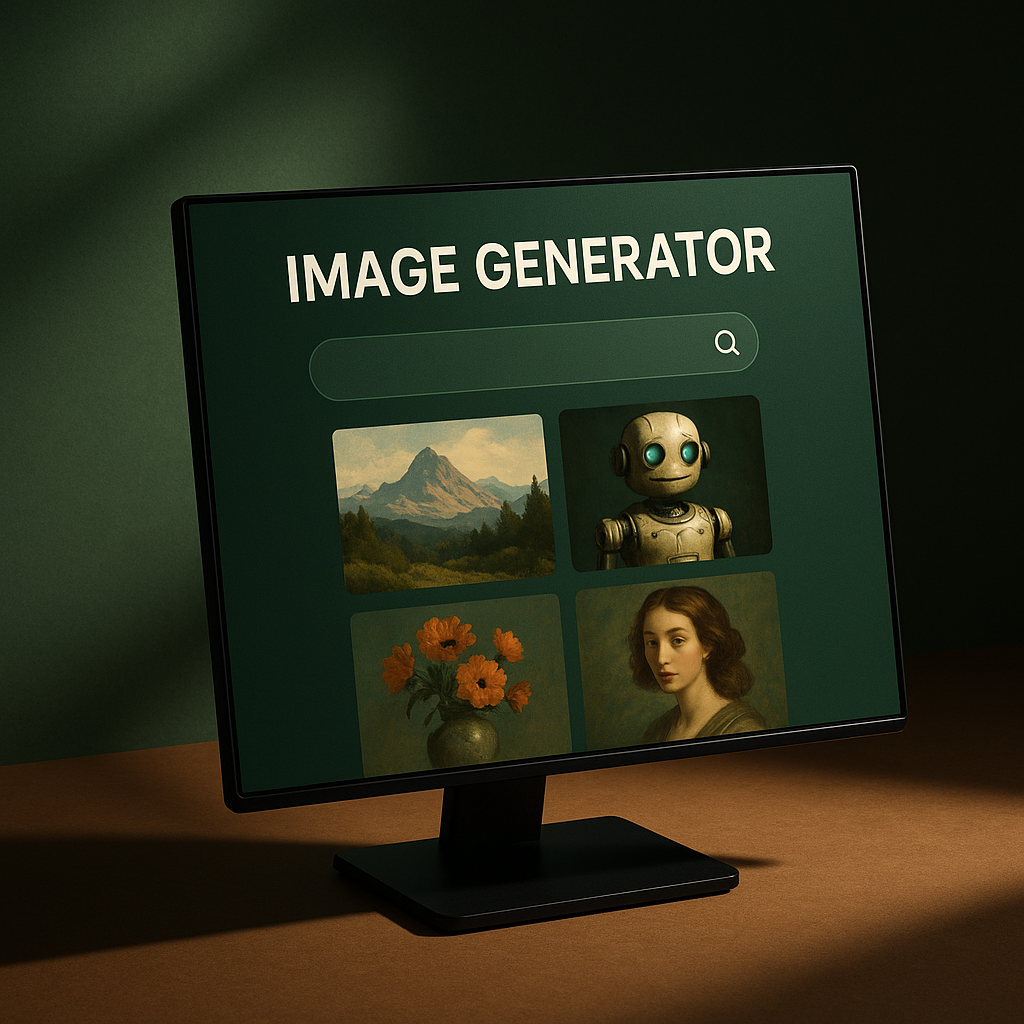
Unlocking Creativity: A Simple Guide to Using Image Generators for Beginners
червень 16, 2026
Maximum Potential
Отримайте повний досвід із планом Pro
ІНФОРМАЦІЯ