березень 6, 2026
Unlocking Creativity: How Image Generators are Revolutionising Digital Art in 2023
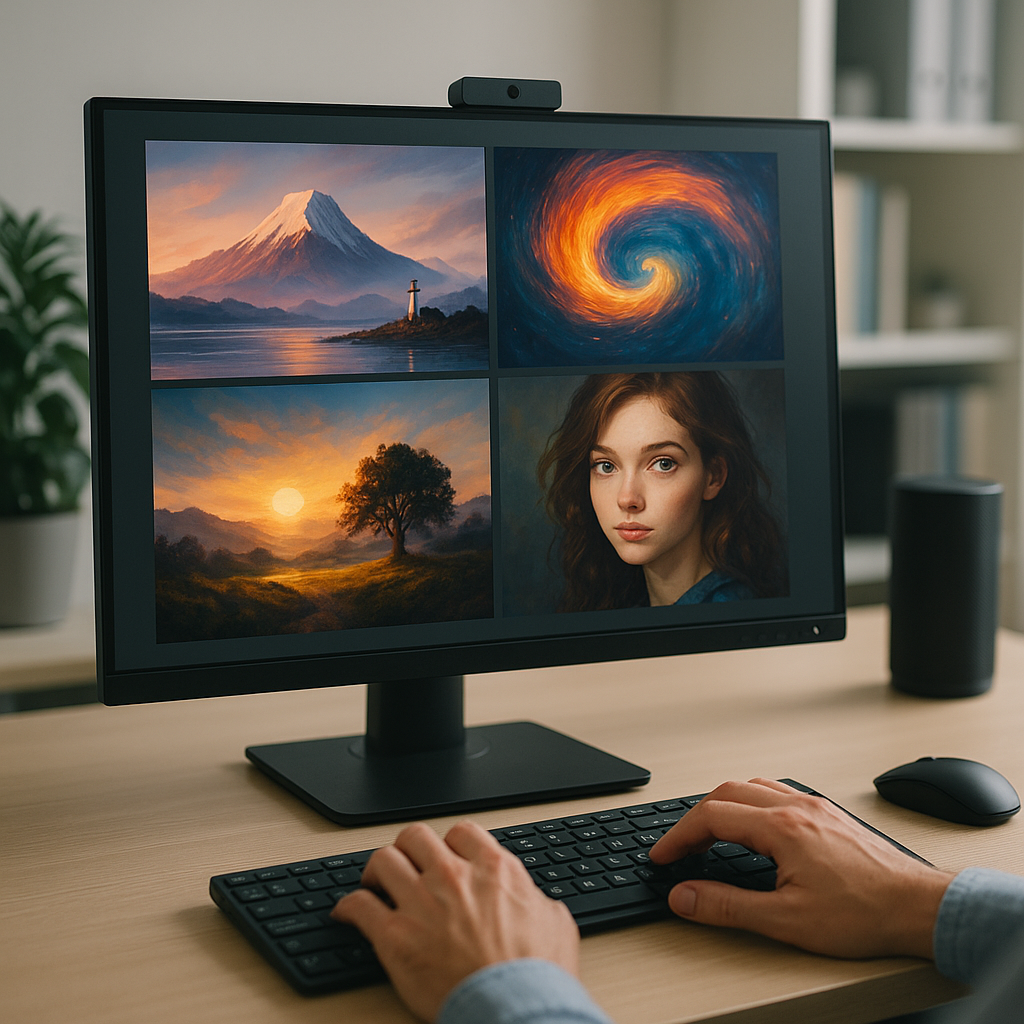
Image Generators
In recent years, the emergence of image generators has transformed the landscape of digital art, graphic design, and content creation. These sophisticated artificial intelligence (AI) tools have not only democratized access to creative resources but have also sparked debates around originality, copyright, and the future of artistic expression. As businesses, artists, and hobbyists alike explore the vast potential of these technologies, it becomes essential to understand how image generators work, their applications, and the implications they carry for creators and consumers alike.
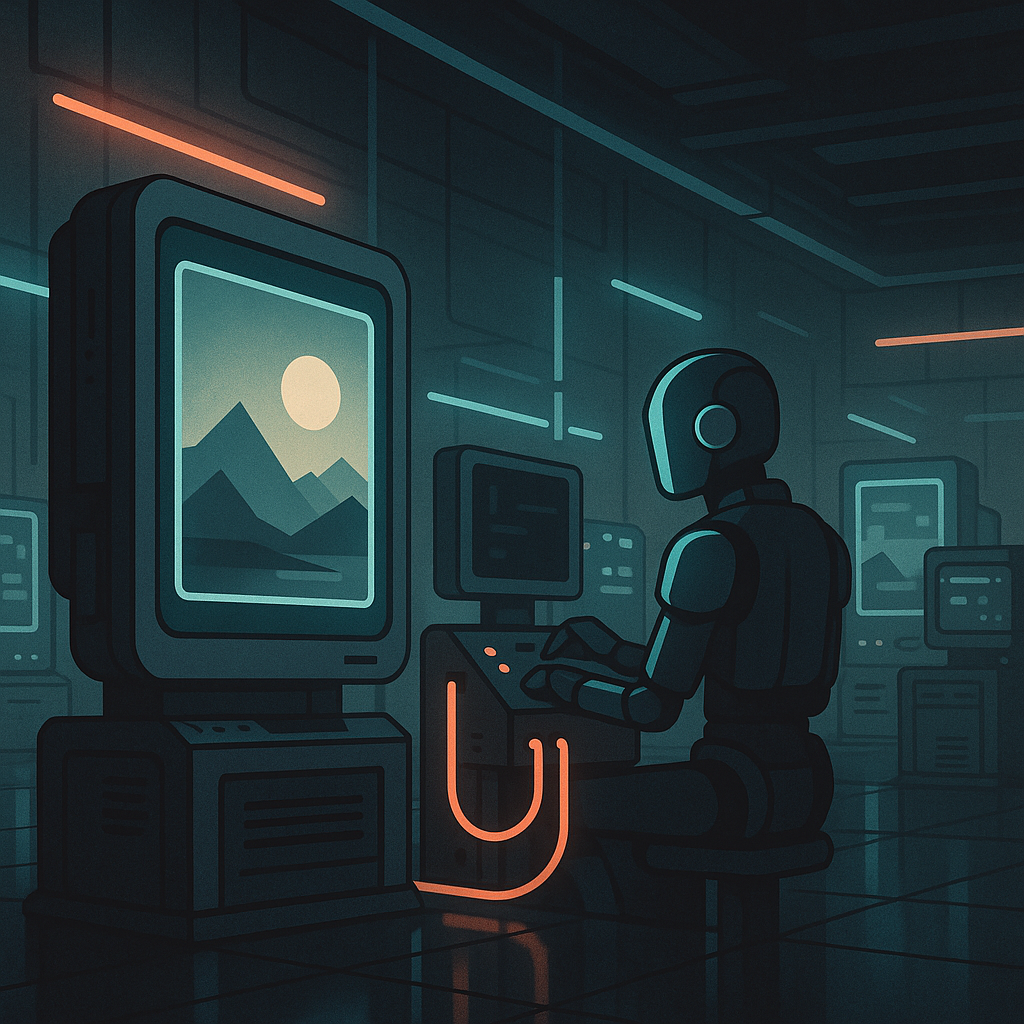
At their core, image generators utilise machine learning algorithms to create images based on textual prompts or existing images. The most notable among these tools include OpenAI's DALL-E, Midjourney, and Stability AI's Stable Diffusion. These AI models are trained on vast datasets comprising millions of images and their associated descriptions, enabling them to learn the relationships between visual elements and language. The result is a system capable of generating highly detailed and contextually relevant images from simple text inputs.
The capabilities of image generators have expanded significantly, allowing users to create everything from surreal landscapes to photorealistic portraits. For instance, by inputting a phrase like "a sunset over a futuristic city," an image generator can produce a variety of interpretations, each with its own unique artistic flair. This versatility is what has made these tools so appealing, as they cater to a wide range of creative needs, from marketing materials and social media posts to personal art projects.
One of the most significant benefits of using image generators is their ability to streamline the creative process. For graphic designers and content creators, the time saved in producing high-quality images can be invaluable. Instead of spending hours brainstorming and creating visuals, a simple prompt can yield multiple options in mere seconds. This efficiency allows creative professionals to focus on higher-level tasks, such as strategy and concept development, rather than getting bogged down in the minutiae of image creation.
Moreover, image generators have opened up new avenues for non-professionals to engage in creative activities. Individuals with limited artistic skills can now produce visually striking images without needing extensive training or experience. This democratization of art creation has led to an explosion of creativity online, with users sharing their AI-generated works across social media platforms and art communities. The trend has sparked a new wave of interest in digital art, encouraging participation from diverse groups and fostering a sense of community among creators.
However, the rise of image generators has not come without its challenges and controversies. One of the most pressing concerns is the issue of copyright and intellectual property. As AI-generated images become more prevalent, questions arise regarding the ownership of these creations. Since the algorithms are trained on existing artworks, there is a risk that the generated images may inadvertently replicate styles or elements from copyrighted works. This has led to calls for clearer guidelines and regulations governing the use of AI in creative industries to protect the rights of original artists.
Furthermore, the question of originality in art is being reevaluated in light of AI capabilities. Traditional notions of creativity have often centred around the artist's unique vision and personal expression. However, as AI systems begin to generate images that can rival human creativity, the definition of what constitutes "original" art is becoming increasingly complex. Critics argue that while AI can produce technically impressive pieces, it lacks the emotional depth and personal narratives that human artists bring to their work. This debate raises fundamental questions about the role of technology in shaping the future of art and whether AI can truly be considered a creative entity.
As industries adapt to the integration of image generators, businesses are exploring innovative ways to leverage this technology. Marketing teams can use AI-generated images to create bespoke visuals tailored to specific campaigns, allowing for a level of customization that was previously time-consuming and expensive. In the realm of e-commerce, retailers are employing image generators to produce product images that highlight various features or styles, enhancing the online shopping experience for consumers.
Education is also being transformed by the advent of image generators. Art and design programmes are beginning to incorporate AI tools into their curricula, teaching students how to harness these technologies to enhance their creativity. By introducing students to image generation early in their artistic journeys, educators can prepare the next generation of artists and designers for a landscape where technology and creativity coexist harmoniously.
As we look to the future, it is clear that image generators will continue to evolve, with advancements in AI technology promising even more sophisticated capabilities. Researchers are working on improving the quality of generated images, enhancing the models' understanding of context, and reducing biases present in training data. These developments may lead to even more seamless integrations of AI in creative processes, further blurring the lines between human and machine-generated art.
In conclusion, image generators represent a significant shift in the creative landscape, offering both opportunities and challenges for artists, businesses, and consumers. As these technologies become increasingly integrated into our daily lives, it is crucial for stakeholders to engage in thoughtful discussions about their ethical implications and the future of creativity. By navigating this new terrain with a keen understanding of the potential benefits and pitfalls, we can harness the power of image generators to enrich our artistic experiences and foster innovation in the digital age.
Recent Posts
Maximum Potential
Отримайте повний досвід із планом Pro
ІНФОРМАЦІЯ