квітень 9, 2026
Unlocking Creativity: How Image Generators are Revolutionising Digital Art in 2023
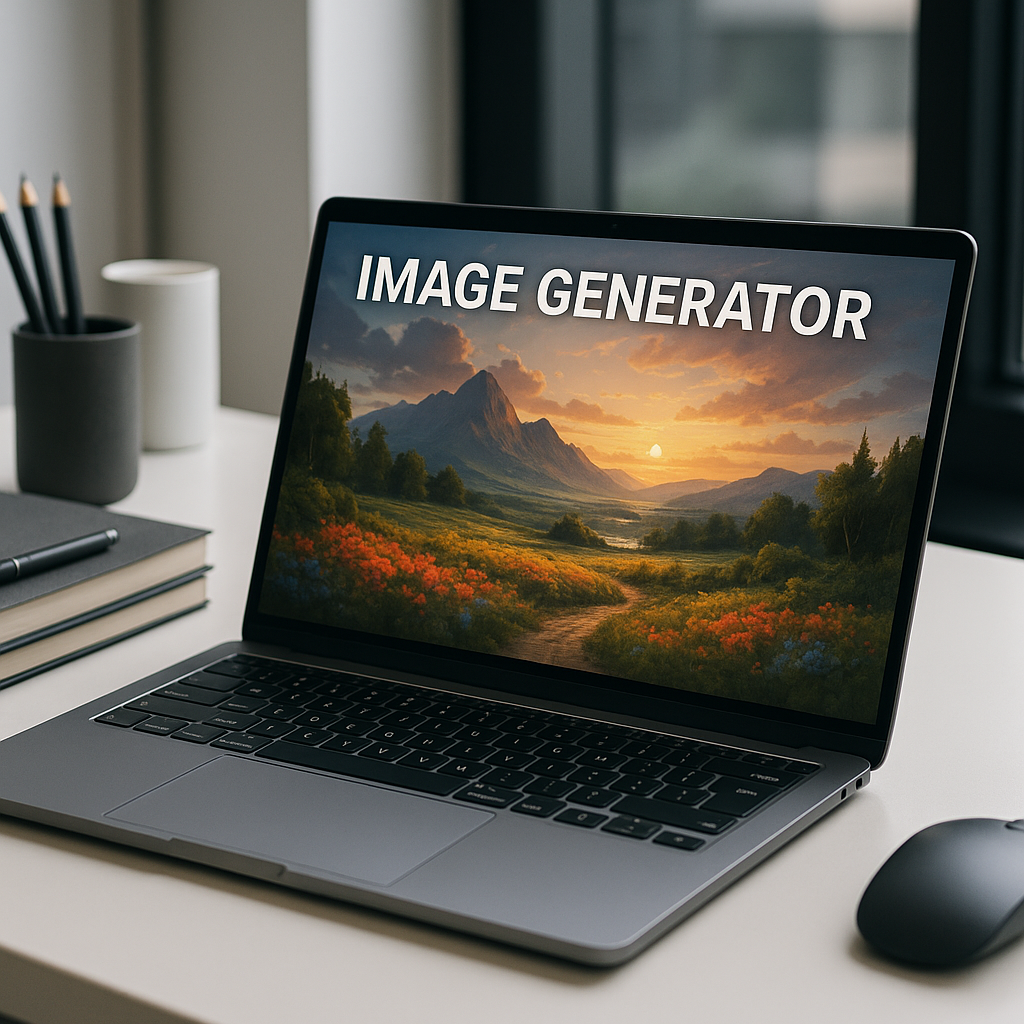
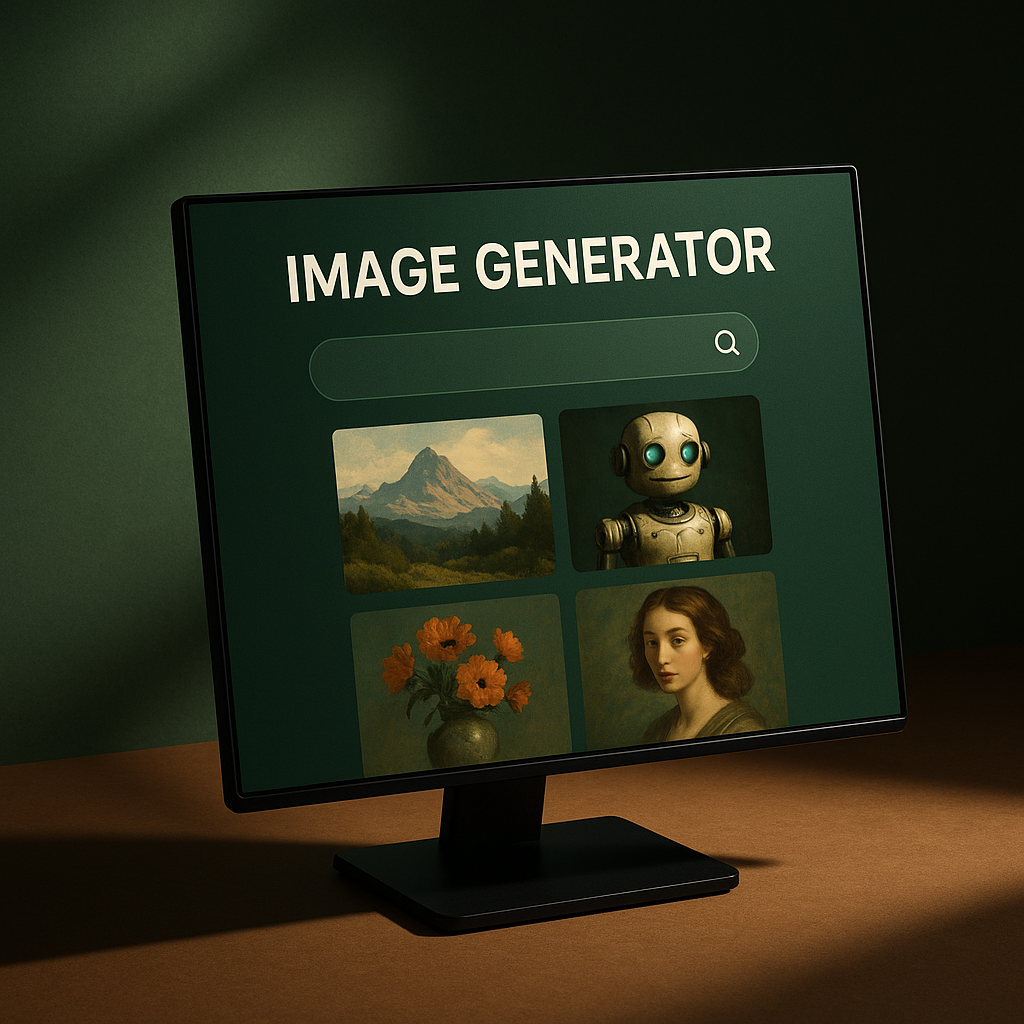
Image Generators
In recent years, image generators have emerged as one of the most fascinating advancements in the realm of artificial intelligence (AI). These innovative tools, capable of creating stunning visuals from textual descriptions, have captured the attention of artists, marketers, and technologists alike. As the technology continues to evolve, it raises significant questions about creativity, copyright, and the future of visual art.
At the heart of image generation is the technology known as Generative Adversarial Networks (GANs). This cutting-edge AI architecture comprises two neural networks: the generator, which creates new images, and the discriminator, which evaluates them against a dataset of existing images. The generator strives to produce images that are indistinguishable from real ones, while the discriminator aims to accurately identify which images are generated and which are authentic. Through this competitive process, both networks improve, leading to the creation of remarkably realistic visuals.
One of the most well-known applications of image generation technology is DALL-E, developed by OpenAI. This model gained notoriety for its ability to generate images from simple prompts, such as "an armchair in the shape of an avocado." The results were not only striking but also demonstrated the potential for AI to interpret and visualise complex ideas. Subsequent iterations, like DALL-E 2, have further enhanced the quality and versatility of generated images, allowing for more intricate and nuanced artistic creations.
Another significant player in this field is Midjourney, an independent research lab that has garnered a dedicated following for its community-driven approach to image generation. Users can engage with the platform via Discord, where they can submit prompts and receive unique images in return. Midjourney has become a favourite among digital artists and creators, who utilise the tool both as a source of inspiration and a means to enhance their own artistic projects.
The rise of image generators has sparked a broader conversation about the role of AI in creative industries. Artists are now faced with the prospect of competing against machines that can produce high-quality visuals in a matter of seconds. While some view this as a threat, others embrace the technology as a new medium for artistic expression. Many artists are incorporating AI-generated images into their work, blending traditional techniques with modern technology to create hybrid forms of art that challenge conventional boundaries.
However, the integration of AI in the art world does not come without its controversies. A significant concern revolves around copyright issues. As image generators learn from vast datasets that include existing artwork, questions arise about ownership and the potential for copyright infringement. Who holds the rights to an image created by an AI? Is it the developer of the algorithm, the user who inputted the prompt, or the original artists whose work was used to train the model? These questions have prompted calls for new legal frameworks that can address the complexities of AI-generated content.
Furthermore, the ethical implications of using AI in creative fields have sparked intense debate. Critics argue that relying on AI-generated images could undermine the value of human creativity, leading to a homogenisation of artistic expression. They warn that if creators increasingly depend on AI for their work, the unique perspectives and experiences that inform human art could be lost. Supporters, on the other hand, contend that AI can serve as a powerful tool to augment human creativity, allowing artists to explore new ideas and push the boundaries of their craft.
Despite the controversies, the commercial potential of image generators is undeniable. Businesses are increasingly leveraging AI-generated visuals for marketing, advertising, and content creation. Companies can produce eye-catching images tailored to their branding at a fraction of the cost and time traditionally associated with hiring artists or photographers. This efficiency is particularly appealing in a fast-paced digital landscape where visual content is paramount.
As image generators continue to gain traction, they are also being integrated into various sectors beyond the arts. In gaming, for instance, developers are using AI to create expansive landscapes and intricate character designs, enhancing the immersive experience for players. Similarly, the fashion industry is beginning to experiment with AI-generated designs, offering new possibilities for custom apparel and accessories.
Education is another area where image generators are making an impact. Visual aids created by AI can enhance learning materials, making complex concepts more accessible to students. In fields such as architecture and design, students can use these tools to visualise their ideas in real-time, fostering creativity and innovation in the classroom.
Looking ahead, the future of image generators appears bright, with ongoing advancements promising even greater capabilities. Researchers are exploring ways to improve the contextual understanding of AI, enabling it to generate more accurate and relevant images. As technology continues to evolve, society will need to grapple with the implications of these advancements—balancing the benefits of AI in creativity with the need to protect human artistic expression and intellectual property.
In conclusion, image generators represent a thrilling intersection of technology and creativity, offering both opportunities and challenges for artists, businesses, and society as a whole. As the landscape of visual art continues to shift, it is essential for stakeholders to engage in conversations about ethics, copyright, and the role of AI in shaping the future of creativity. By doing so, we can ensure that the benefits of this technology are harnessed responsibly while preserving the unique qualities that define human artistry.
Recent Posts
Head-to-Head: Comparing Top AI Models in Работа с Нейросетями and Their Impact
червень 16, 2026
Debunking Myths: The Realities of Работа с Нейросетями and AI Models Today
червень 16, 2026
Unlocking Creativity: A Simple Guide to Using Image Generators for Beginners
червень 16, 2026
Maximum Potential
Отримайте повний досвід із планом Pro
ІНФОРМАЦІЯ