березень 14, 2026
Unlocking Creativity: How Image Generators Are Revolutionising Visual Art
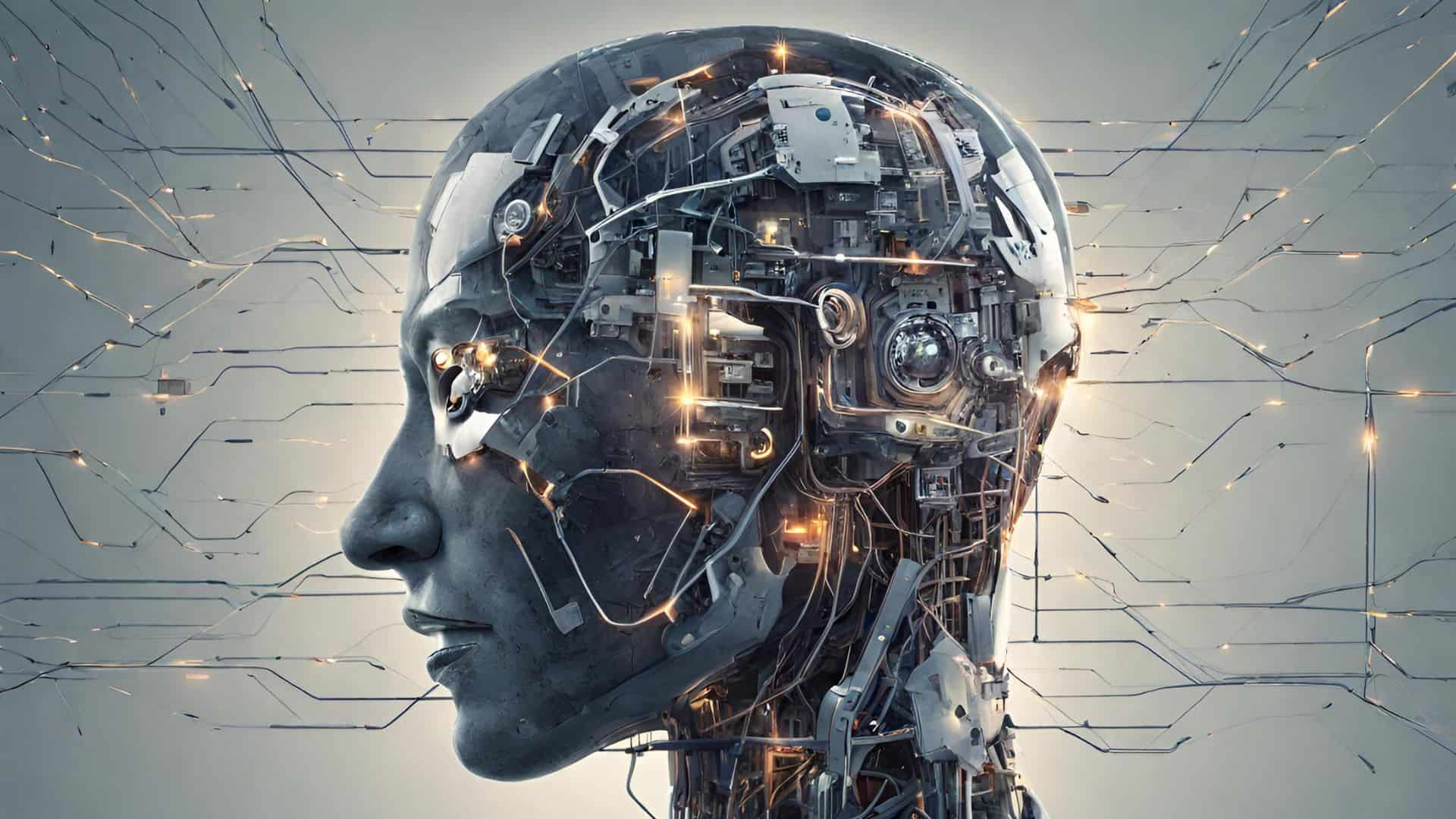
Image Generators
In recent years, the world of technology has witnessed a remarkable transformation, particularly in the realm of artificial intelligence (AI). Among the most captivating advancements are image generators, sophisticated algorithms capable of creating stunning visuals from mere textual descriptions. These tools are reshaping the creative landscape, offering both opportunities and challenges for artists, designers, and various industries alike.
Image generators, powered by deep learning techniques, can produce images that often blur the lines between reality and imagination. The most notable among them include OpenAI's DALL-E, Midjourney, and Stability AI's Stable Diffusion. These platforms employ neural networks trained on vast datasets of images and text, enabling them to interpret prompts and generate visuals that reflect the user's description with astonishing accuracy.
The mechanics behind these generators are rooted in a technology known as Generative Adversarial Networks (GANs). In essence, GANs consist of two neural networks: a generator that creates images and a discriminator that evaluates them. The generator strives to produce images that are indistinguishable from real ones, while the discriminator learns to distinguish between generated and authentic images. Through this adversarial process, the generator continuously improves, ultimately creating high-quality images that can be remarkably lifelike.
One of the most significant impacts of image generators is their potential to democratise creativity. In the past, producing high-quality visuals often required extensive training, expensive software, and professional equipment. Now, anyone with a basic understanding of the technology can generate images at the click of a button. This democratisation is not only empowering amateur artists but also enabling professionals to streamline their workflows, experiment with new concepts, and expedite the design process.
For example, graphic designers can utilise image generators to create unique assets for branding or marketing campaigns. Photographers may find inspiration for new compositions or colour palettes, while advertisers can generate eye-catching visuals for social media. The applications are vast, spanning industries such as fashion, architecture, entertainment, and more.
Despite the exciting possibilities, the rise of image generators has sparked a heated debate surrounding copyright and authorship. As AI generates images based on existing data, questions arise about who owns the rights to these creations. If an image is produced using a specific prompt, is it the creator of the prompt, the developer of the AI, or the dataset itself that holds the copyright? These unresolved issues are prompting legal experts and policymakers to reconsider existing copyright laws, which may not adequately address the nuances of AI-generated content.
Furthermore, the potential for misuse is a significant concern. The ability to generate hyper-realistic images raises ethical questions, particularly regarding misinformation and deepfakes. With the click of a button, individuals can create images that could be used to spread false narratives or manipulate public opinion. As image generators become more sophisticated, it is crucial for society to establish guidelines and strategies to mitigate the risks associated with their misuse.
In response to these challenges, technology companies and researchers are working diligently to develop safeguards that promote ethical use. For instance, some platforms are implementing watermarking techniques to distinguish AI-generated images from real photographs. Others are exploring ways to trace the origins of images, ensuring that creators can be credited and that copyright issues are addressed transparently.
Moreover, educational initiatives are emerging to equip users with the knowledge they need to navigate the complexities of AI-generated content. Workshops, online courses, and tutorials are being offered to help individuals understand the ethical implications and technical aspects of using image generators, fostering a more responsible approach to their use.
The artistic community is also adapting to the presence of image generators. Many artists are embracing these tools as a means of collaboration rather than competition. By integrating AI into their creative processes, artists can explore new styles and techniques, pushing the boundaries of traditional art forms. This fusion of human creativity and machine learning has the potential to give rise to entirely new genres, enriching the cultural landscape.
Moreover, the evolution of image generators has inspired a resurgence of interest in the concept of "creativity" itself. As machines take on the role of creators, artists and thinkers are prompted to reflect on what it means to be creative. This introspection is leading to discussions about the unique qualities of human expression, emotional depth, and the capacity for storytelling—elements that may remain challenging for AI to replicate fully.
As we look to the future, the trajectory of image generators appears poised for further evolution. Researchers are constantly refining the algorithms, pushing the boundaries of what these technologies can achieve. Advancements in AI will likely lead to even more intricate and nuanced image generation, opening doors to applications that we have yet to fully comprehend.
In the coming years, we may witness the emergence of new tools that allow users to interact with image generators in increasingly intuitive ways. Voice commands, augmented reality interfaces, and enhanced user experiences could redefine how we engage with visual content, making creativity even more accessible and interactive.
Ultimately, image generators represent a fascinating intersection of technology and artistry. They have the potential to revolutionise various industries, empower creators, and challenge our understanding of creativity and authorship. As we navigate this uncharted territory, it is vital to embrace the opportunities while remaining vigilant about the ethical implications and responsibilities that come with such powerful tools.
In conclusion, the rise of image generators is a testament to the remarkable capabilities of AI. As these technologies continue to evolve, they promise to reshape our creative processes and spark new conversations about the nature of art, ownership, and the role of technology in our lives. The future is undoubtedly bright for those willing to embrace innovation while thoughtfully considering its consequences.
Recent Posts
Head-to-Head: Comparing Top AI Models in Работа с Нейросетями and Their Impact
червень 16, 2026
Debunking Myths: The Realities of Работа с Нейросетями and AI Models Today
червень 16, 2026
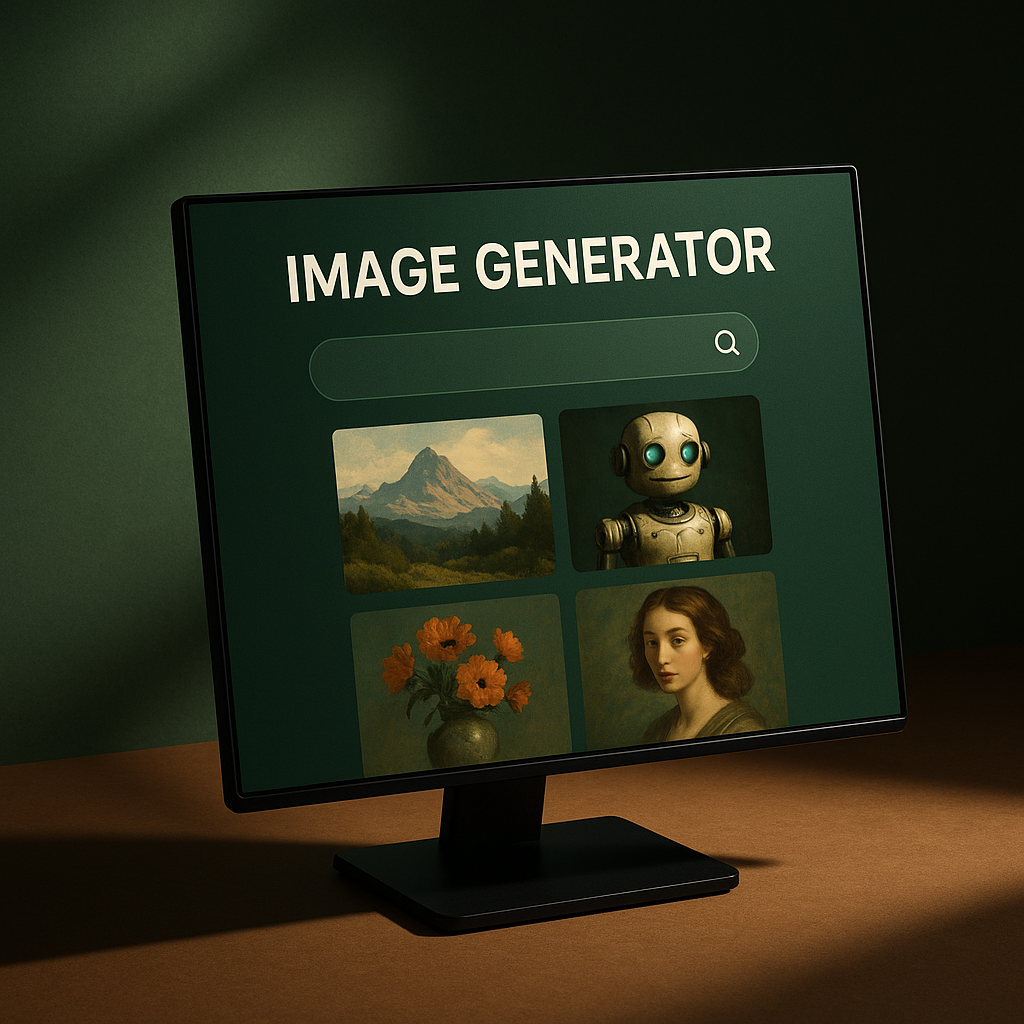
Unlocking Creativity: A Simple Guide to Using Image Generators for Beginners
червень 16, 2026
Maximum Potential
Отримайте повний досвід із планом Pro
ІНФОРМАЦІЯ