February 14, 2026
Unlocking Creativity: How Image Generators are Revolutionizing Digital Art
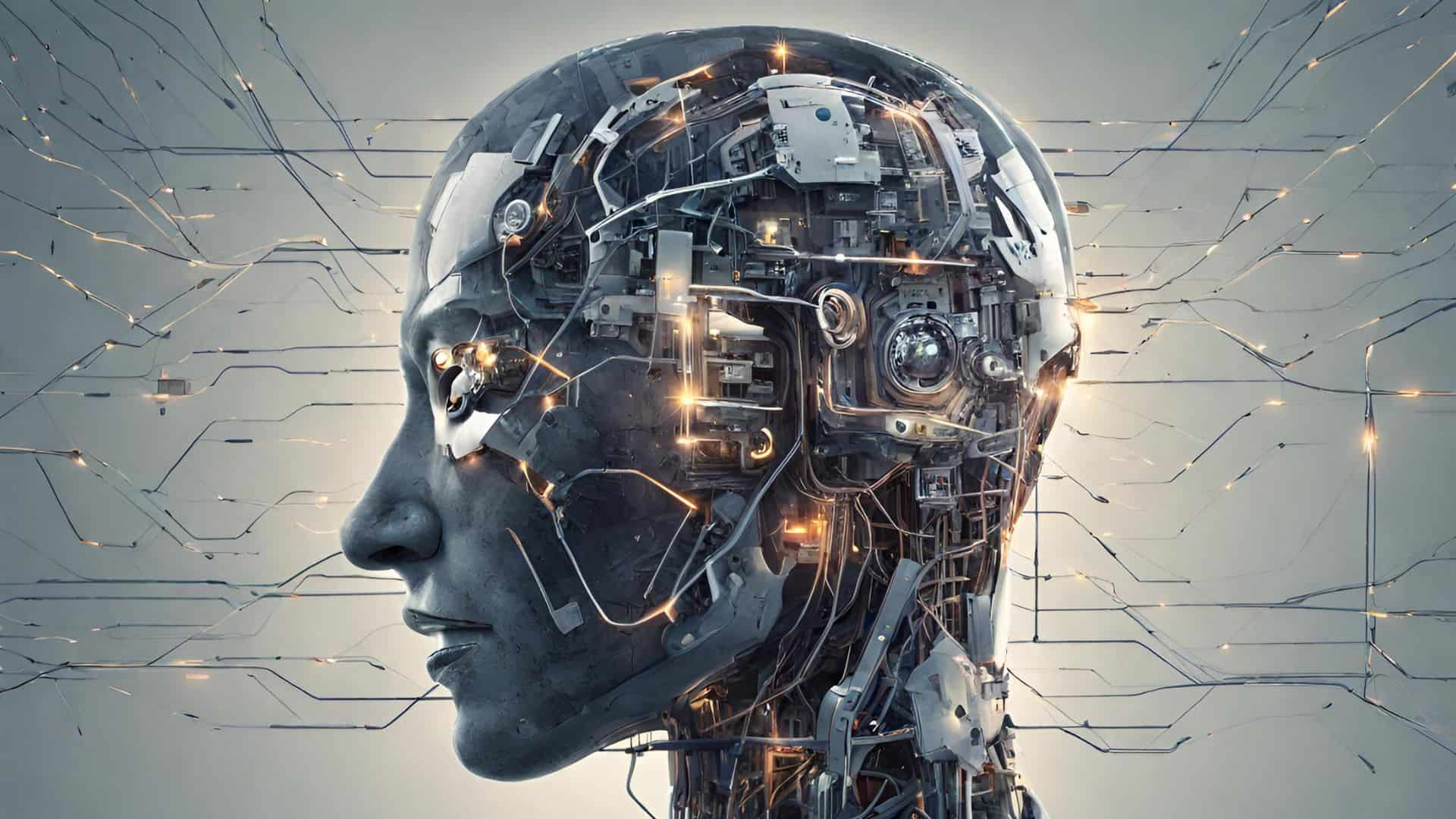
Image Generators
The world of digital art and content creation has witnessed a significant transformation in recent years, primarily due to the rise of image generators powered by artificial intelligence (AI). These sophisticated tools utilize advanced algorithms to generate images from textual descriptions, offering creators an innovative way to visualize concepts, ideas, and narratives. As the technology continues to evolve, it is reshaping the creative landscape in profound ways, spanning various industries from entertainment to marketing and beyond.
Image generators, often categorized under generative adversarial networks (GANs) and other machine learning techniques, have gained popularity for their ability to produce high-quality visuals quickly and efficiently. The underlying mechanics involve training AI models on vast datasets of images and corresponding textual descriptions. The result is an AI that can understand and render images based on new, unseen prompts provided by users. This capability not only facilitates creativity but also democratizes access to high-quality visual content, allowing individuals without traditional artistic skills to create stunning images.
One of the most notable aspects of image generators is their versatility. In the realm of marketing, for instance, businesses are leveraging these tools to create unique visuals for advertisements, social media campaigns, and product promotions. With the ability to generate tailored imagery at scale, companies can save time and resources while ensuring that their marketing materials remain fresh and engaging. This is particularly beneficial for small businesses that may lack the budget for professional graphic design services.
Furthermore, image generators are making waves in the gaming and entertainment industries. Game developers are experimenting with these technologies to design characters, environments, and assets dynamically. This not only enhances the creative process but also introduces a level of unpredictability and originality that can significantly enrich the gaming experience. With AI-generated content, developers can quickly iterate on ideas, allowing for a more experimental and agile approach to game design.
In addition to commercial applications, image generators are also being embraced by artists and creators as tools for inspiration and exploration. Many artists use these platforms to generate initial concepts, which they can then refine and adapt into their unique styles. This fusion of technology and traditional artistry is fostering a new wave of creativity, where the boundaries between human and machine-generated art are increasingly blurred.
However, the rise of image generators is not without its challenges and controversies. As with any emerging technology, ethical considerations come to the forefront. Issues related to copyright, originality, and the potential for misuse are prominent topics of discussion. For instance, if an AI generates an image that closely resembles an existing artwork, questions arise regarding who owns the rights to that image— the creator of the AI, the user who prompted the generation, or the original artist whose work may have influenced the output.
Additionally, there is concern about the potential for AI-generated images to be used in misleading or harmful ways. For example, the creation of deepfakes or other deceptive imagery can lead to misinformation and manipulation. As a result, industry leaders and policymakers are calling for clearer guidelines and regulations surrounding the use of AI-generated content to ensure that it is developed and utilized responsibly.
In response to these challenges, various organizations and initiatives are working to establish ethical frameworks for AI technologies. This includes promoting transparency in AI algorithms, implementing measures to prevent the generation of harmful content, and fostering a culture of accountability among developers and users alike. By prioritizing ethics in the development of image generators, the industry can harness the benefits of AI while mitigating its potential risks.
The growing interest in image generators has also sparked a wave of innovation within the tech industry. Companies are racing to develop more sophisticated models that can produce higher-quality images with greater nuance and detail. Recent advancements, such as DALL-E and Midjourney, have showcased the remarkable potential of AI to not only create realistic images but also to render imaginative and surreal scenes that push the boundaries of traditional art forms.
As these technologies continue to advance, the implications for education and training in the arts are significant. Educational institutions are beginning to integrate AI tools into their curricula, teaching students how to leverage these technologies effectively while also emphasizing the importance of maintaining their artistic voice. By combining traditional techniques with modern technology, future generations of artists will be better equipped to navigate an increasingly digital landscape.
Looking ahead, the future of image generators appears bright, with endless possibilities for innovation and creativity. As AI continues to improve, we can expect to see even more impressive capabilities, such as the generation of 3D models, animations, and interactive content. The integration of image generators into everyday creative processes will likely become more seamless, allowing creators to focus on their ideas rather than the technicalities of execution.
In conclusion, image generators represent a fascinating intersection of technology and creativity, offering a myriad of opportunities for artists, businesses, and individuals alike. While the technology brings forth ethical considerations that must be addressed, the potential for positive impact is immense. As the landscape of digital content creation evolves, image generators will undoubtedly play a pivotal role in shaping the future of art and design, fostering a new era of innovation and expression.
Recent Posts
Breakthrough in Neural Networks: How New AI Models Revolutionize Global Tech
June 16, 2026
Head-to-Head: Comparing Neural Network Models and Their Impact on AI Work Today
June 16, 2026
New Breakthrough in Image Generators Promises to Revolutionize Artistic Expressi...
June 16, 2026
Maximum Potential
Get the full experience with Pro Plan
INFORMATION