March 9, 2026
Unlocking Creativity: How Image Generators Are Revolutionizing Digital Artistry
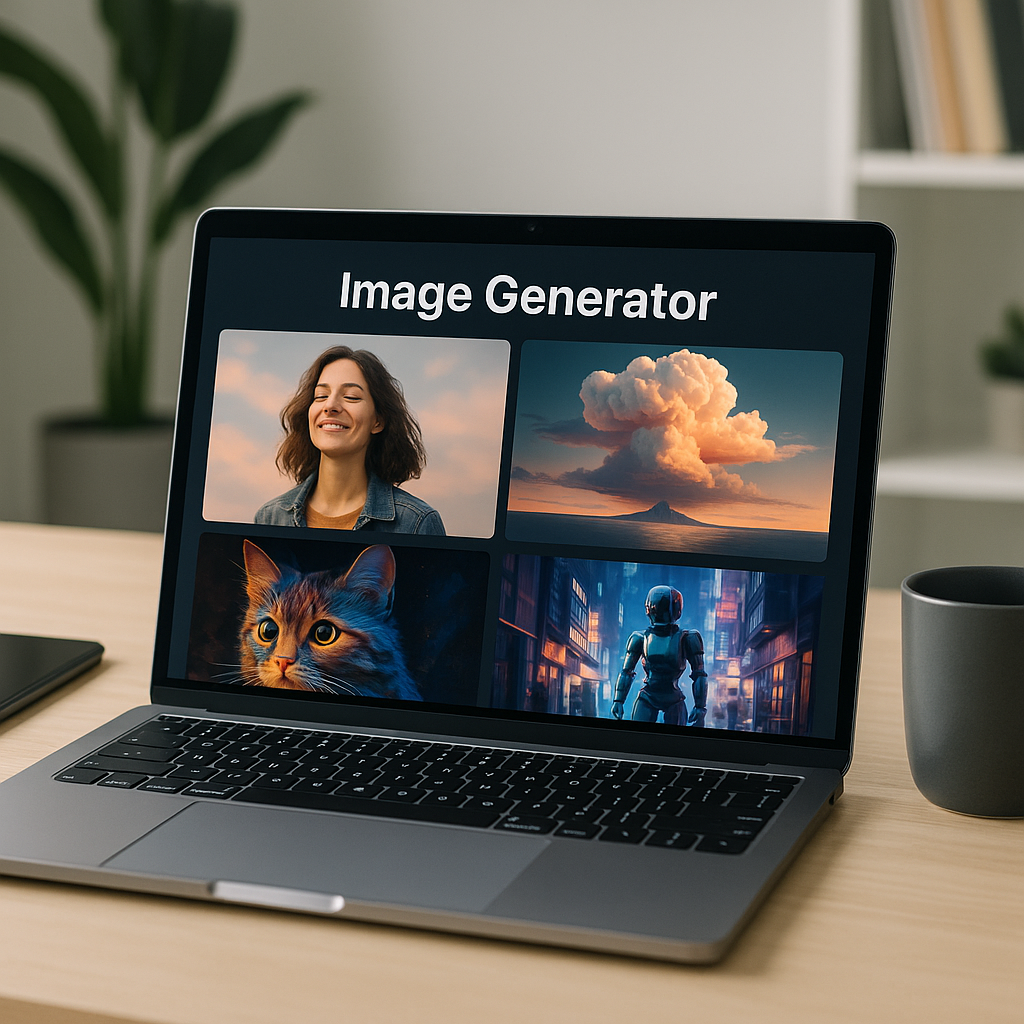
Image Generators
The rapid advancement of artificial intelligence has ushered in a new era of creativity, with image generators at the forefront of this technological revolution. These AI-driven tools are transforming the way artists, designers, and everyday users create visual content, enabling them to generate high-quality images from simple text prompts. As the demand for unique and tailored visuals continues to rise, understanding the mechanics, applications, and potential implications of image generators becomes increasingly important.
Image generators utilize complex algorithms and deep learning techniques to create images based on user inputs. At the heart of these systems are neural networks, particularly Generative Adversarial Networks (GANs), which consist of two components: the generator and the discriminator. The generator creates images, while the discriminator evaluates them against real-world data, providing feedback that helps the generator improve its output. This iterative process continues until the generator produces images that are indistinguishable from real ones, showcasing the immense potential of AI in creative fields.
One of the most notable developments in this space is OpenAI's DALL-E, which gained widespread attention for its ability to generate imaginative and often surreal images from textual descriptions. Users can input anything from “an armchair in the shape of an avocado” to “a two-headed flamingo wearing a top hat,” and DALL-E will produce a corresponding image that reflects the prompt. This capability not only showcases the versatility of AI but also highlights the shifting boundaries of creativity, as the human element of design becomes increasingly intertwined with machine learning technologies.
Another prominent player in the image generation arena is Midjourney, which has captivated users with its unique aesthetic and community-driven approach. Midjourney operates on a Discord-based platform, where users can generate images collaboratively and share their creations in real time. This social aspect has fostered a vibrant community of artists and enthusiasts who push the boundaries of what is possible with AI-generated art. The interaction between users and the AI creates an engaging environment where ideas flourish, leading to innovative concepts that blend human creativity with machine assistance.
These image generators have numerous applications across various industries. In advertising, brands can use them to quickly produce marketing visuals tailored to specific campaigns, allowing for rapid experimentation and iteration without the need for extensive photoshoots. In the world of gaming and animation, developers can generate concept art and character designs, streamlining the creative process while simultaneously expanding the scope of visual storytelling. Furthermore, educators and researchers are exploring the potential of AI-generated images in fields such as history and science, where visual representations can help explain complex concepts and engage audiences.
However, the rise of image generators is not without its challenges. One of the most pressing concerns is the ethical implications of AI-generated content. As these technologies become more sophisticated, issues related to copyright and ownership are coming to the forefront. For instance, if an AI generates an artwork based on a prompt inspired by a specific artist's style, questions arise about whether the original artist retains any rights to the resulting image. The legal landscape surrounding intellectual property is struggling to keep pace with the rapid evolution of AI technologies, leading to calls for clearer guidelines and regulations.
Moreover, the potential for misuse of image generators raises alarm bells in various sectors. Deepfakes, for instance, have already demonstrated how AI can be used to create hyper-realistic images and videos that misrepresent reality, leading to misinformation and potential harm. As image generators become more accessible, there is a growing need for robust ethical frameworks to ensure that these tools are used responsibly and do not contribute to the spread of false information or harmful content.
Despite these challenges, the positive potential of image generators cannot be overlooked. They democratize the creative process, allowing individuals without formal artistic training to express themselves visually. This accessibility opens the door for a diverse array of voices and ideas to emerge, enriching the global art landscape. Moreover, as artists and technologists collaborate, new forms of hybrid art are being born, merging traditional techniques with cutting-edge technology and creating exciting possibilities for the future.
As the technology continues to evolve, so too will the capabilities of image generators. Future iterations may incorporate more advanced features, such as the ability to understand context or emotional nuances in prompts, leading to even more personalized and meaningful creations. Additionally, ongoing improvements in hardware and software will enhance the quality and realism of generated images, making them increasingly indistinguishable from those created by human hands.
In conclusion, image generators represent a significant leap forward in the intersection of technology and creativity. While they offer a wealth of opportunities for innovation and artistic expression, they also bring forth important ethical considerations that must be addressed. As society navigates this new landscape, it is crucial for stakeholders—including artists, technologists, regulators, and users—to engage in open dialogues about the implications of these powerful tools. By doing so, we can harness the potential of image generators to enrich our cultural fabric while safeguarding against the risks they pose.
Recent Posts
Breakthrough in Neural Networks: How New AI Models Revolutionize Global Tech
June 16, 2026
Head-to-Head: Comparing Neural Network Models and Their Impact on AI Work Today
June 16, 2026
New Breakthrough in Image Generators Promises to Revolutionize Artistic Expressi...
June 16, 2026
Maximum Potential
Get the full experience with Pro Plan
INFORMATION