March 11, 2026
Unlocking Creativity: How Image Generators are Revolutionizing Visual Content in 2023
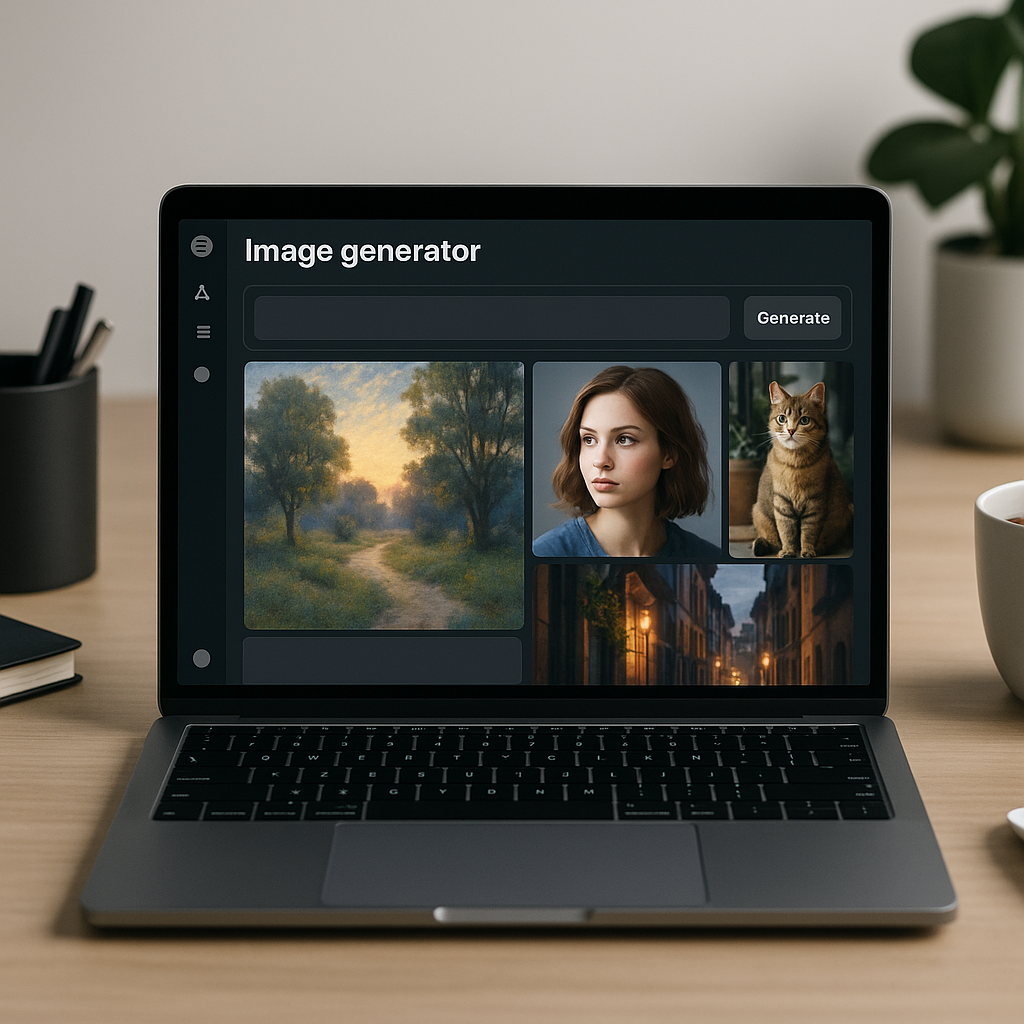
Image Generators
In recent years, the landscape of digital creativity has undergone a profound transformation, largely driven by advancements in artificial intelligence (AI). Among the most fascinating developments in this realm are image generators, sophisticated algorithms capable of producing original artwork and images based on textual descriptions or other input parameters. These tools have not only democratized artistic creation but also sparked debates about creativity, copyright, and the future of visual arts.
Image generators operate through a process known as deep learning, where neural networks are trained on vast datasets containing millions of images. By analyzing these images alongside their corresponding descriptions, the models learn to understand the relationships between visual elements and language. Once trained, they can generate new images that reflect the patterns they’ve learned. Notable examples include OpenAI's DALL-E, Midjourney, and Stable Diffusion, each offering unique features and capabilities that cater to a diverse array of users.
One of the standout characteristics of image generators is their ability to create complex visuals in a matter of seconds. Users can input simple phrases or intricate prompts, and the AI will return a variety of images that embody those concepts. For instance, a prompt like “a futuristic cityscape at sunset” could yield numerous interpretations, each with its unique twist on the theme. This instant creation not only saves time but also inspires creativity, enabling artists and designers to explore concepts they may not have considered otherwise.
Moreover, image generators are increasingly being utilized in various industries. In marketing and advertising, companies are leveraging these tools to create eye-catching visuals for campaigns without needing to hire a full creative team. Fashion designers can use them to visualize new collections, while game developers can generate concept art for characters and environments. The potential applications are virtually limitless, making image generators invaluable assets in the fast-paced digital world.
Yet, as with any technological advancement, the rise of image generators has not been without controversy. One of the primary concerns revolves around copyright issues. Traditionally, artists retain ownership of their creations, but the question arises: who owns an image generated by AI? Some argue that since the AI is trained on existing works, it inadvertently reproduces elements of those original images, potentially infringing on artists’ rights. Others contend that the outputs are sufficiently transformed and should be considered new creations. This ongoing debate highlights the need for updated legal frameworks that can address the complexities of AI-generated content.
Additionally, the democratization of art through AI has raised questions about the value of human creativity. While image generators can produce stunning visuals, critics argue that they lack the emotional depth and intentionality that human artists bring to their work. The debate intensifies when considering the sheer volume of content generated—AI can churn out thousands of images in a short time, leading some to question whether the sheer quantity diminishes the significance of artistic expression. Proponents, however, believe that AI serves as a tool to enhance human creativity rather than replace it, allowing artists to push boundaries and explore new horizons.
As image generators become more advanced, they are starting to incorporate features that allow for greater personalization and customization. Users can not only generate images based on text prompts but can also modify existing images by adjusting various parameters, such as style, color palette, and composition. This interactive element empowers users to engage more deeply with the creative process, bridging the gap between human oversight and machine learning.
Furthermore, the ethical implications of using AI in art are being explored by various organizations and institutions. Initiatives are emerging that aim to establish guidelines for the responsible use of AI-generated content, ensuring that artists’ rights are respected while fostering innovation. For example, some platforms are implementing features that allow artists to opt out of having their work used for training AI models, thereby granting them control over how their creations are utilized in the digital landscape.
In education, image generators are proving to be valuable tools for teaching art and design principles. They provide students with instant feedback on their ideas, allowing them to experiment without the fear of failure. By utilizing AI, educators can encourage students to think critically about the creative process, fostering a blend of technical skills and imaginative thinking. This innovative approach to learning could transform how art is taught in the digital age.
Looking ahead, the future of image generators appears promising. As technology continues to evolve, we can expect more sophisticated models that enhance the quality of generated images and offer even more customization options. The integration of augmented reality (AR) and virtual reality (VR) could further expand the possibilities, allowing users to immerse themselves in the worlds they create. This convergence of AI and immersive technologies could redefine artistic expression, creating experiences that blur the lines between the digital and physical realms.
In conclusion, image generators are at the forefront of a revolution in digital creativity, reshaping how we conceive, create, and consume art. While they present challenges concerning copyright and the essence of creativity, they also offer unprecedented opportunities for innovation and exploration. As society navigates the complexities of AI in the artistic domain, it will be crucial to strike a balance that promotes creativity while respecting the rights of human artists. The dialogue surrounding image generators is just beginning, and as we delve deeper into this new era of creativity, it is clear that the impact of AI on visual arts will be felt for generations to come.
Recent Posts
Breakthrough in Neural Networks: How New AI Models Revolutionize Global Tech
June 16, 2026
Head-to-Head: Comparing Neural Network Models and Their Impact on AI Work Today
June 16, 2026
New Breakthrough in Image Generators Promises to Revolutionize Artistic Expressi...
June 16, 2026
Maximum Potential
Get the full experience with Pro Plan
INFORMATION