лютий 21, 2026
Unlocking Creativity: How Image Generators Are Transforming Digital Art in 2023
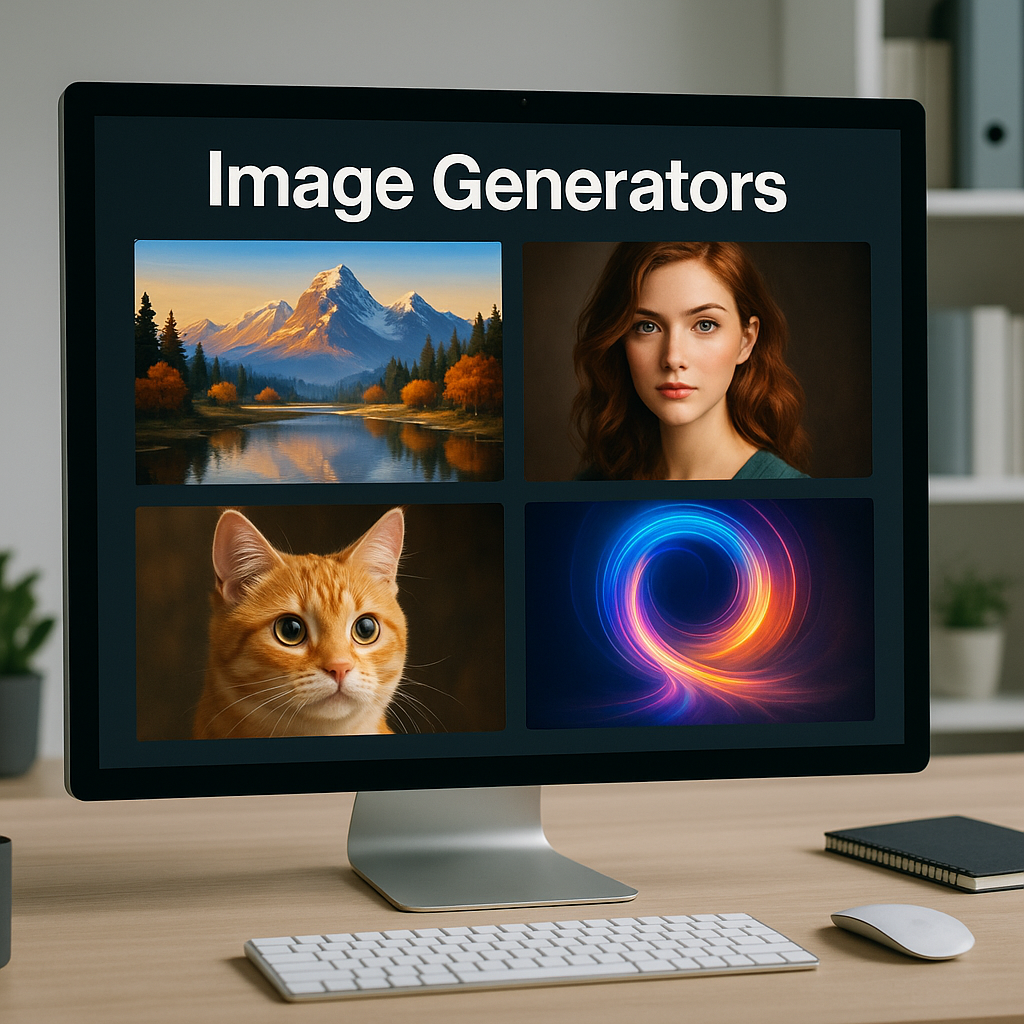
Image Generators
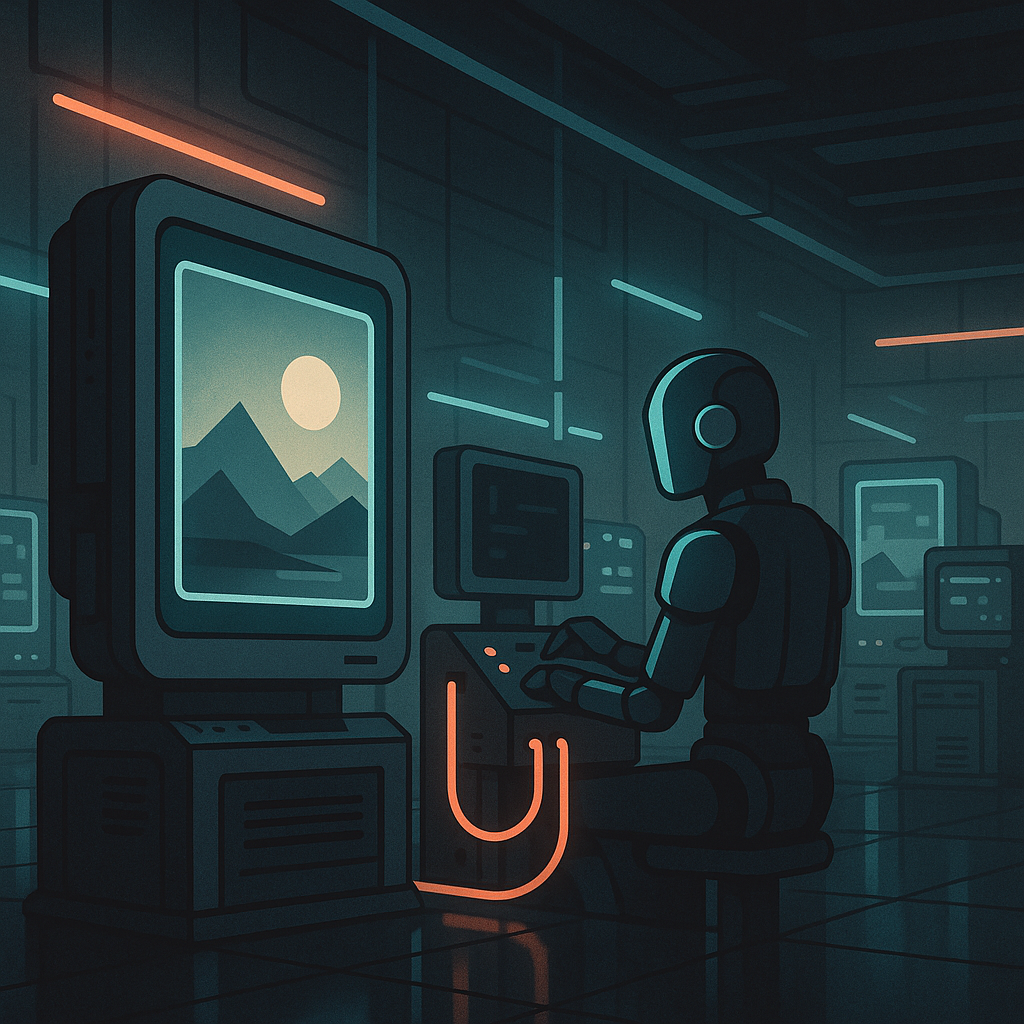
In recent years, the rise of artificial intelligence has reshaped numerous industries, and one of the most fascinating developments is the emergence of image generators. These AI-driven tools, capable of creating stunning visuals from simple text prompts, have captured the imagination of artists, marketers, and technologists alike. As we delve into the world of image generation, we explore their underlying technology, applications, ethical implications, and the profound impact they are having across various sectors.
At the core of image generators lies a technology known as Generative Adversarial Networks (GANs). Invented by Ian Goodfellow and his colleagues in 2014, GANs operate through a system of two neural networks—one generator and one discriminator—working in tandem. The generator creates images from random noise, while the discriminator evaluates the authenticity of the generated images against real ones. This dynamic creates a feedback loop that allows the generator to improve its output over time, resulting in increasingly realistic images. As the technology has evolved, so too has its accessibility, with platforms like OpenAI's DALL-E, Midjourney, and Stability AI’s Stable Diffusion leading the charge.
The versatility of image generators has opened up a plethora of applications across numerous fields. In the realm of marketing, brands are harnessing these tools to create bespoke visuals for campaigns without the need for extensive photo shoots or graphic design resources. This not only saves time and money but also allows for rapid experimentation with different visual styles and concepts. For instance, a fashion retailer can generate unique clothing designs or promotional images tailored to specific customer demographics in mere minutes.
In the artistic community, image generators are both a tool and a source of inspiration. Artists are embracing these technologies to expand their creative horizons, using AI-generated images as a foundation to build upon or as a means to explore new artistic styles. This integration of AI into the creative process raises intriguing questions about authorship and originality. Are artists merely curators of AI-generated content, or are they collaborating with machines to create something entirely new? This debate has sparked discussions in galleries and online forums, as artists navigate the evolving landscape of digital art.
The entertainment industry is also seeing the benefits of image generation. Filmmakers and game developers are employing these tools to create concept art, character designs, and even entire environments, streamlining the pre-production process. By utilising AI-generated imagery, creators can visualise their ideas more quickly and effectively, allowing for a more iterative design process. Moreover, as virtual reality and augmented reality continue to grow, image generators are becoming essential in creating immersive worlds that captivate audiences.
Despite the myriad benefits, the rise of image generators is not without its challenges. One of the most significant concerns revolves around copyright and ownership. As these tools generate images based on existing datasets, questions arise about the originality of the content produced. Who owns the rights to an image created by an AI? The original creators of the data used for training the model, the developers of the AI, or the users who prompt the AI? This ambiguity has prompted calls for clearer regulations and guidelines to protect the rights of all parties involved.
Moreover, the potential for misuse is a pressing issue. Image generators can produce hyper-realistic images that could be used to create deepfakes or spread misinformation. The ability to generate images that convincingly mimic real people or events poses a significant threat to trust in visual media. In response, tech companies and policymakers are beginning to explore ways to mitigate these risks, including watermarking AI-generated images or developing robust detection tools to identify manipulated content.
Ethical considerations extend beyond copyright and misinformation. As image generators become more powerful, there are concerns about the societal implications of their widespread use. For instance, will the proliferation of AI-generated images contribute to the devaluation of human artistry? Will it lead to job losses in industries dependent on skilled graphic designers and artists? These questions highlight the need for a thoughtful approach to the integration of AI in creative fields, ensuring that technology complements rather than replaces human creativity.
As the technology continues to evolve, the future of image generators looks promising. The potential for advancements in AI capabilities could lead to even more sophisticated tools that can create images indistinguishable from those created by human hands. In addition, ongoing research is focused on improving the ethical frameworks surrounding AI, ensuring that these technologies are used responsibly and beneficially. Collaboration between technologists, artists, and policymakers will be crucial in navigating the complexities of this rapidly changing landscape.
In summary, image generators represent a remarkable intersection of technology and creativity, offering exciting possibilities across various sectors. From marketing and entertainment to the arts, these tools are reshaping how visuals are created and consumed. However, with great power comes great responsibility, and it is imperative that stakeholders address the ethical, legal, and social implications of AI-generated content. As we continue to explore this brave new world of image generation, a collaborative approach will be essential in harnessing its potential while safeguarding against its risks.
Recent Posts
Maximum Potential
Отримайте повний досвід із планом Pro
ІНФОРМАЦІЯ