квітень 24, 2026
Unlocking Creativity: How Image Generators are Transforming Digital Art in 2023
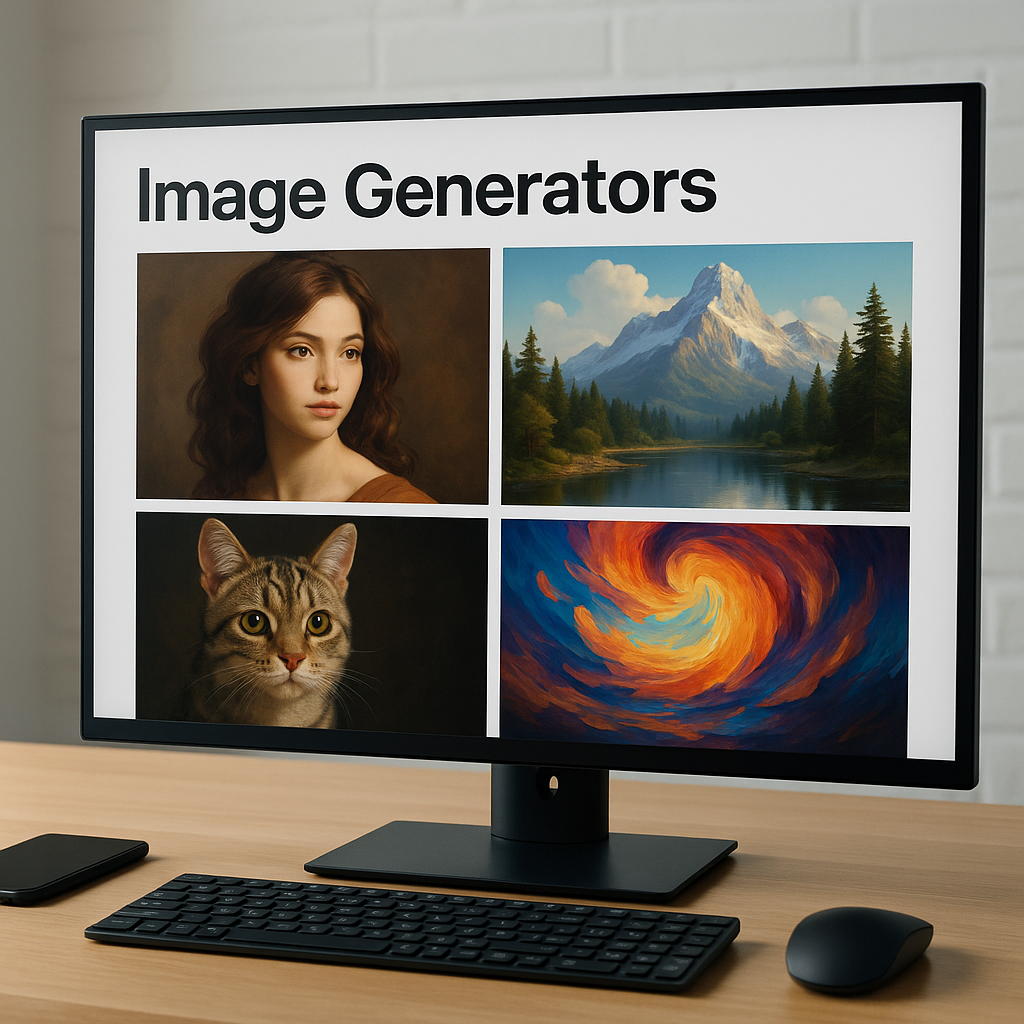
Image Generators
In recent years, the rise of artificial intelligence has transformed numerous sectors, and one of the most captivating advancements has been the development of image generators. These sophisticated algorithms harness the power of machine learning and neural networks to create strikingly realistic images from textual descriptions or other input data. As the technology evolves, image generators are not only reshaping the creative landscape but also raising important ethical questions that society must address.
Image generators operate primarily on two types of models: Generative Adversarial Networks (GANs) and Diffusion Models. GANs consist of two neural networks—a generator and a discriminator—that work in opposition to produce high-quality images. The generator creates images from random noise, while the discriminator evaluates them against real images to determine their authenticity. This adversarial process continues until the generator produces images that are indistinguishable from real ones. On the other hand, diffusion models work by gradually transforming random noise into coherent images through a series of steps, allowing for the creation of detailed and diverse outputs.
These technologies have found applications across various industries. In the realm of art, artists are increasingly using image generators to inspire their creations or to produce unique digital artwork. For instance, platforms like DALL-E and Midjourney enable users to input descriptive phrases that the AI then translates into visual representations. This capability not only expands the boundaries of artistic expression but also democratizes art creation, allowing individuals without traditional artistic skills to produce compelling visuals.
In the fashion industry, image generators are being used to design clothing and accessories, offering a new approach to creativity and innovation. Designers can quickly generate numerous concepts based on trends or themes, significantly reducing the time and resources traditionally required for the design process. Moreover, brands can utilise these tools to create virtual models, showcasing their products in a more cost-effective and sustainable manner compared to traditional photoshoots.
Beyond the realms of art and fashion, image generators are making waves in marketing and advertising. Businesses are using these tools to create tailored visuals for their campaigns, allowing for rapid adjustments to meet market demands. With the ability to generate images that resonate with specific demographics, companies can enhance their engagement strategies while saving time and costs associated with traditional graphic design.
Despite their many advantages, the rise of image generators has sparked debates around copyright, authenticity, and the potential for misuse. As these algorithms create images that closely resemble existing works, questions arise regarding ownership and infringement. If an AI generates an artwork that mimics a famous painting, who holds the rights to that image? The original artist, the developer of the AI, or the user who prompted its creation? The legal framework surrounding these issues is still developing, and stakeholders are keenly observing how regulations will adapt to accommodate new realities.
Moreover, the potential for misuse of image generators cannot be overlooked. Deepfakes, which utilise similar technology, have raised alarm bells regarding misinformation and the erosion of trust in visual media. With the ability to create hyper-realistic images, these tools could be exploited to produce misleading content, further complicating the landscape of information dissemination. Experts advocate for the need for robust ethical guidelines and regulations to ensure that these technologies are used responsibly.
In response to these challenges, several organisations and researchers are working to establish frameworks that govern the ethical use of image generators. Initiatives focused on transparency, accountability, and the responsible use of AI are becoming increasingly prevalent. For instance, some platforms now require users to disclose when an image has been generated by AI, allowing audiences to make informed judgments about the content they encounter.
The educational sector is also embracing the potential of image generators. Institutions are incorporating AI-based tools into their curriculums, teaching students how to leverage these technologies in various fields, from graphic design to computer science. By equipping the next generation with the skills to navigate and utilise AI responsibly, educators aim to foster a culture of innovation while emphasising ethical considerations.
As image generators continue to evolve, the future of creativity appears promising yet complex. The ability to generate high-quality visuals with minimal effort opens new avenues for innovation, but it also necessitates a careful examination of the implications for artists, businesses, and society as a whole. Balancing the benefits of this technology with the need for ethical standards will be crucial as we move forward.
In the coming years, we may see further advancements in image generation technology, including improved capabilities for customisation and integration with other AI systems. As these tools become more sophisticated, they will likely play an increasingly central role in creative industries. However, it will be essential for stakeholders to remain vigilant, ensuring that the development of such technologies aligns with societal values and ethical principles.
In conclusion, image generators represent a fascinating intersection of technology and creativity, offering unprecedented opportunities while also presenting significant challenges. As society navigates this rapidly evolving landscape, an ongoing dialogue surrounding the ethical implications of AI-generated content will be essential. By fostering a collaborative approach between technologists, artists, and policymakers, we can harness the power of image generators to enrich our creative experiences while safeguarding the integrity of artistic expression.
Recent Posts
Head-to-Head: Comparing Top AI Models in Работа с Нейросетями and Their Impact
червень 16, 2026
Debunking Myths: The Realities of Работа с Нейросетями and AI Models Today
червень 16, 2026
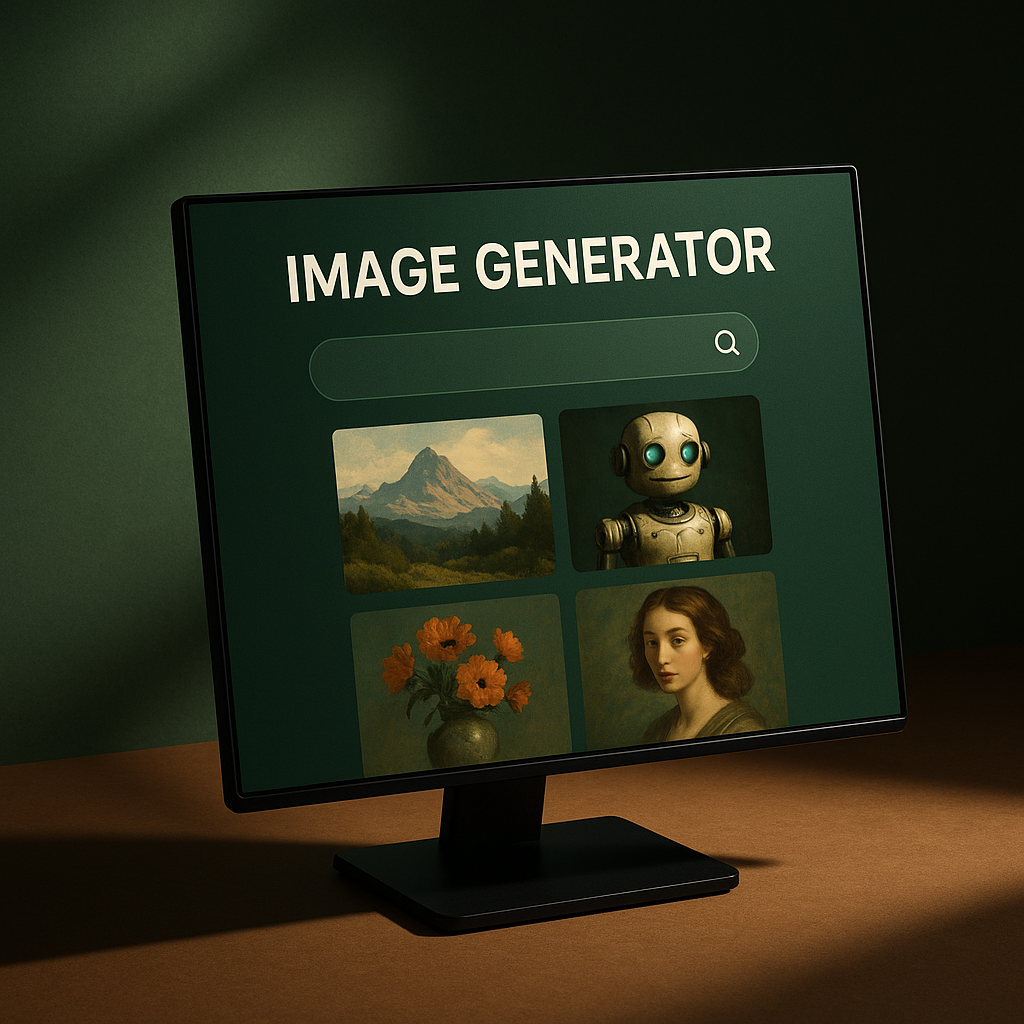
Unlocking Creativity: A Simple Guide to Using Image Generators for Beginners
червень 16, 2026
Maximum Potential
Отримайте повний досвід із планом Pro
ІНФОРМАЦІЯ