березень 24, 2026
Unlocking Creativity: How Image Generators are Transforming Visual Art in 2023
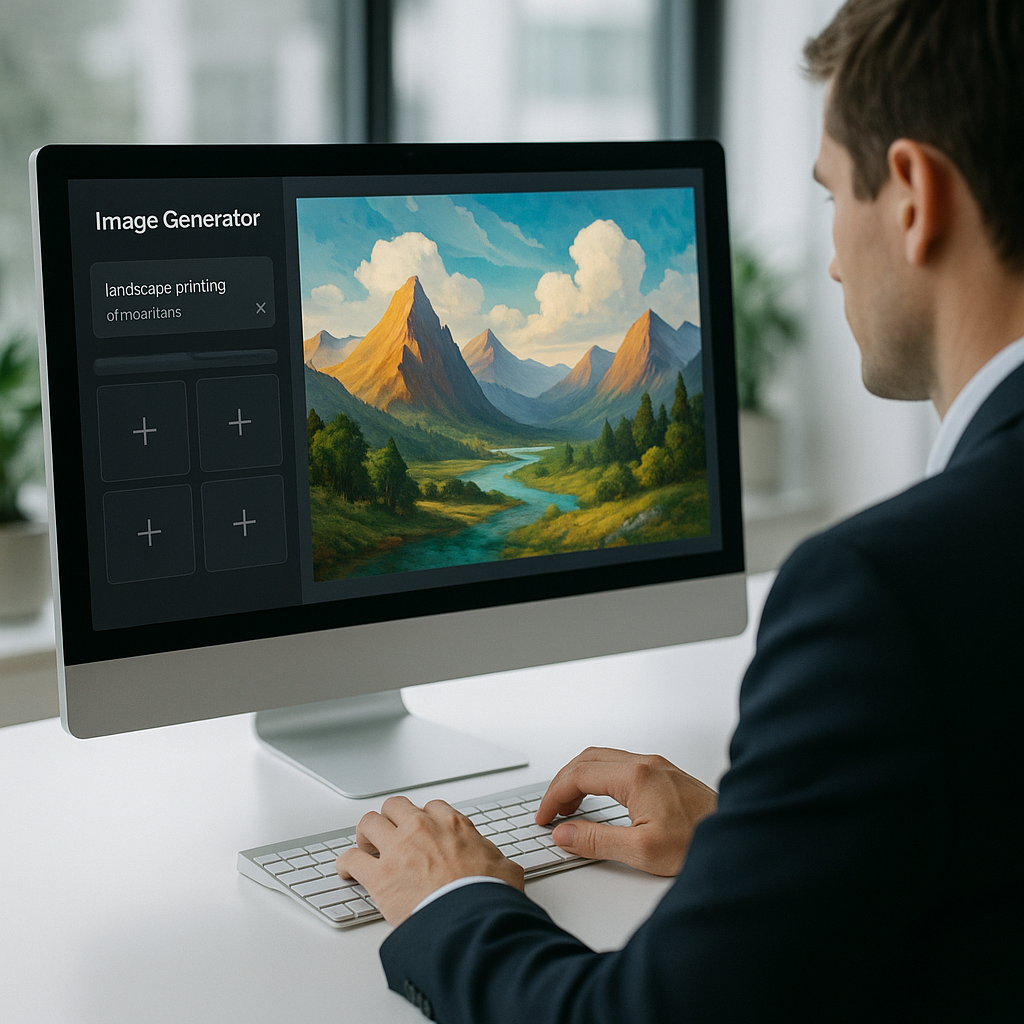
Image Generators
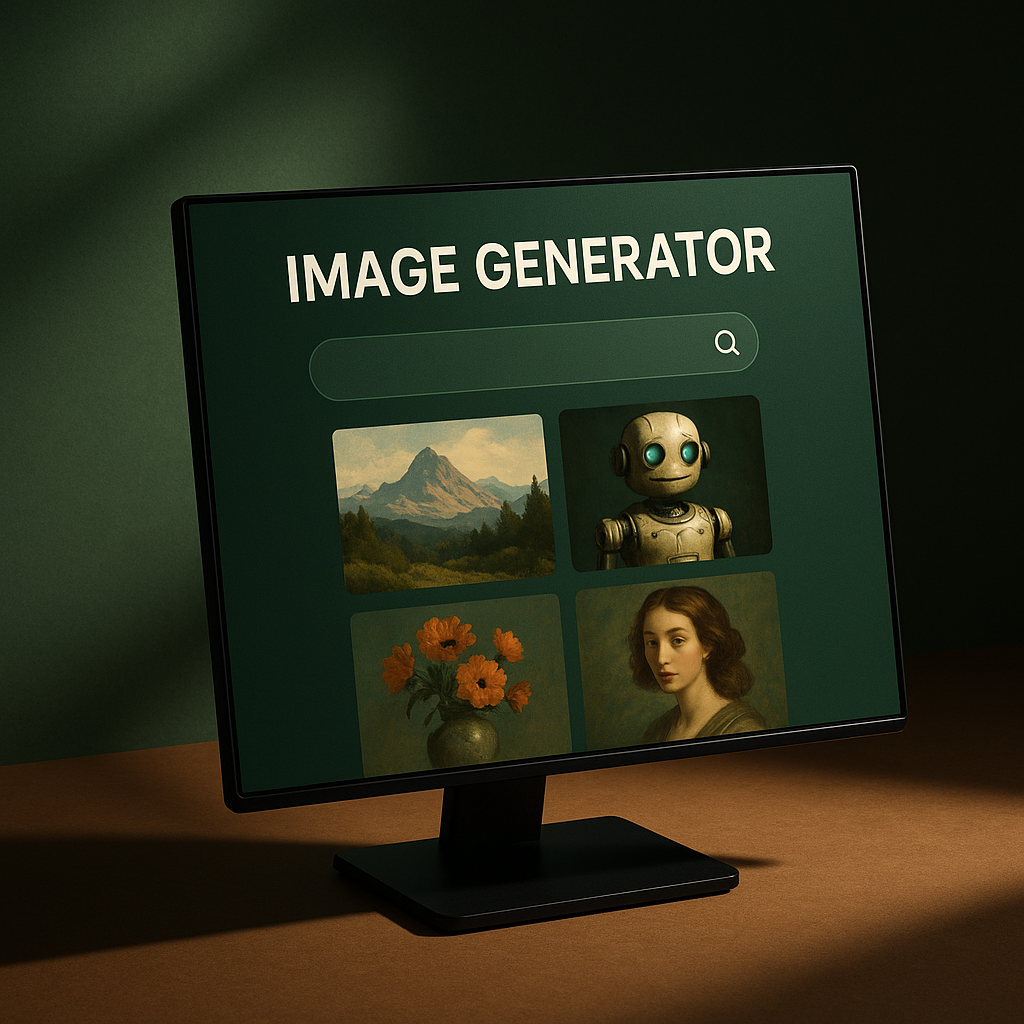
In recent years, the landscape of digital art has been transformed by the advent of image generators powered by artificial intelligence (AI). These tools, which utilise complex algorithms to create stunning visuals from mere text prompts, have sparked conversations about creativity, copyright, and the future of artistic expression. As technology continues to advance at an extraordinary pace, the implications of AI-generated images are becoming increasingly profound, affecting artists, designers, and consumers alike.
At the heart of this revolution is the concept of generative adversarial networks (GANs), a type of machine learning architecture that pits two neural networks against each other. One network generates images, while the other evaluates them, providing feedback that helps refine the output. This iterative process allows AI to learn and improve over time, resulting in increasingly sophisticated and realistic images. Popular platforms such as DALL-E, Midjourney, and Stable Diffusion have emerged as frontrunners in this field, each offering unique capabilities and user experiences.
For many artists, the rise of image generators presents both exciting opportunities and significant challenges. On one hand, these tools can serve as invaluable sources of inspiration, enabling creators to explore new styles, ideas, and concepts that may not have been possible through traditional means. Artists can input descriptive phrases to generate visuals that spark their imagination, often resulting in unexpected and innovative outcomes. This democratization of art creation has opened doors for those who may not possess traditional artistic skills, allowing a broader range of people to engage with visual expression.
However, the proliferation of AI-generated art has also raised important questions regarding ownership and originality. If an AI creates an image based on a prompt given by a user, who holds the rights to that artwork? The debate intensifies when considering that these AI systems are often trained on vast datasets of existing artworks, raising concerns about potential copyright infringement. Artists whose work has been incorporated into these datasets without consent find themselves grappling with the ethical implications of AI-generated content that closely resembles their own styles or compositions.
The legal framework surrounding copyright and AI-generated content is still evolving. In the UK, the Copyright, Designs and Patents Act 1988 primarily protects works created by human authors. This raises complex questions about the status of AI-generated art, as it challenges traditional definitions of authorship and originality. Discussions are ongoing within legal and artistic communities about the need for new regulations that can adequately address the unique characteristics of AI-driven creations.
Moreover, as image generators become more sophisticated, there are concerns about their potential misuse. The ability to create hyper-realistic images has implications for misinformation and disinformation. AI-generated images can be weaponised to create convincing fake news, manipulate public opinion, or even impersonate individuals. The ethical responsibility of developers and users alike is a topic of ongoing debate, as society grapples with the potential consequences of this technology.
Despite these challenges, many see the integration of AI in the creative process as a collaborative opportunity rather than a threat. Some artists are embracing these tools as part of their workflow, using AI-generated images as a foundation for their own artistic endeavours. This hybrid approach merges human creativity with machine efficiency, resulting in artworks that reflect a unique blend of both. In this context, AI becomes a partner in the creative process rather than a replacement for human artistry.
The commercialisation of AI-generated art is also gaining traction. Businesses are exploring the potential of these technologies for branding, advertising, and content creation. The ability to produce high-quality images quickly and at a lower cost makes AI-generated visuals an attractive option for companies looking to enhance their marketing efforts. This has led to a growing demand for AI-generated content across various sectors, from fashion to gaming, as businesses seek innovative ways to engage consumers.
As image generators become more integrated into various industries, educational institutions are recognising the need to adapt their curricula to prepare students for a future where AI is an integral part of the creative process. Art schools are beginning to incorporate training on AI tools, encouraging students to explore the potential of generative art while addressing the ethical considerations that accompany this technology. By fostering a new generation of artists who are fluent in both traditional techniques and cutting-edge technologies, the art world can ensure a more inclusive and diverse future.
In the realm of public perception, the dialogue surrounding AI-generated art is also evolving. While some view these creations with scepticism, considering them a mere novelty or a threat to traditional artistry, others are beginning to appreciate the unique qualities that AI can bring to the table. Art enthusiasts are increasingly recognising that the value of a piece of art is not solely derived from its creation but also from the ideas and emotions it evokes. As AI-generated images continue to captivate audiences, they challenge our understanding of creativity and the role of the artist in the digital age.
In conclusion, image generators represent a fascinating intersection of technology and creativity, prompting significant discussions about the future of art, ownership, and ethical responsibility. As these tools continue to evolve, they offer artists and creators unprecedented opportunities for exploration and innovation. However, the challenges they present cannot be overlooked, as society navigates the complexities of authorship and the potential for misuse. Ultimately, the conversation surrounding AI-generated art will shape not only the future of artistic expression but also the broader cultural landscape, influencing how we perceive creativity in an increasingly digital world.
Recent Posts
Head-to-Head: Comparing Top AI Models in Работа с Нейросетями and Their Impact
червень 16, 2026
Debunking Myths: The Realities of Работа с Нейросетями and AI Models Today
червень 16, 2026
Unlocking Creativity: A Simple Guide to Using Image Generators for Beginners
червень 16, 2026
Maximum Potential
Отримайте повний досвід із планом Pro
ІНФОРМАЦІЯ