травень 25, 2026
Unveiling the Truth: Debunking Common Myths About Image Generators
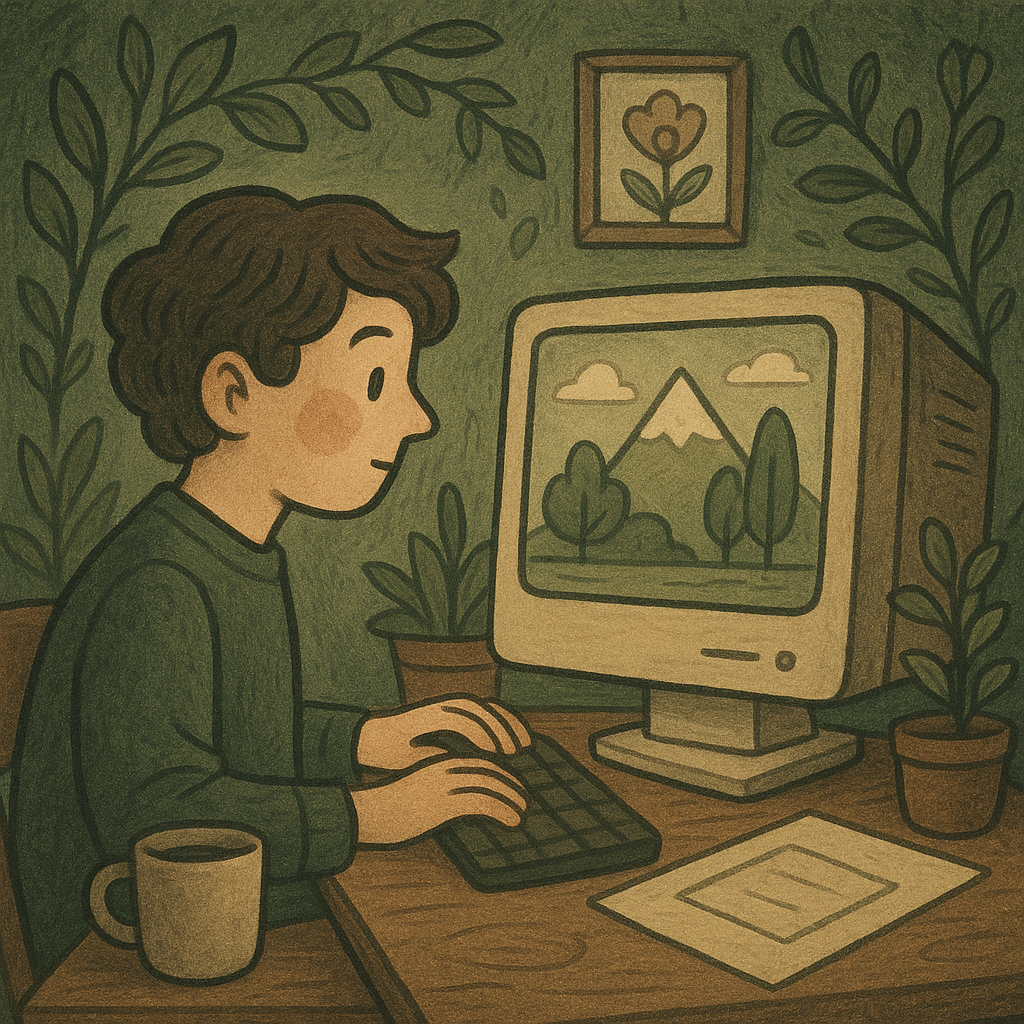
Image Generators
In recent years, the landscape of digital art and content creation has been significantly transformed by the advent of image generators powered by artificial intelligence (AI). These innovative tools have sparked both fascination and concern, leading to a myriad of myths swirling around their capabilities and implications. This article aims to debunk some common misconceptions about image generators while providing a reality check on what these technologies can truly accomplish.
Myth 1: Image Generators Create Art Autonomously
One prevalent myth is that image generators can create art entirely independently, possessing an innate creativity comparable to human artists. In reality, these generators function based on algorithms trained on vast datasets, often comprising existing artwork from various styles and periods. Essentially, they learn patterns and replicate them rather than drawing from personal experience or emotional depth.
While the outputs can be visually stunning—sometimes indistinguishable from human-made works—the creative process behind them is fundamentally different. Artists play an essential role in guiding these systems by providing input prompts, selecting styles, and curating the final results. This collaborative approach hints at AI's potential as a tool rather than a replacement for human creativity.
Myth 2: Image Generators Are Only for Professionals
Another common misconception is that image generators are exclusively for art professionals or tech-savvy individuals. However, many user-friendly platforms have emerged, enabling anyone—from hobbyists to businesses—to effortlessly create high-quality images with minimal technical knowledge. Tools like DALL-E, Midjourney, and Craiyon offer intuitive interfaces where users can simply type in descriptions or choose from existing templates.
This accessibility opens up new avenues for creativity across various fields. For instance, marketers can generate eye-catching visuals for campaigns without hiring expensive graphic designers. Social media enthusiasts can enhance their online presence with custom images tailored to their personal brands—all using straightforward AI-driven applications.
Myth 3: Image Generators Eliminate Jobs in the Creative Sector
The fear that AI-driven tools will render human artists obsolete is prevalent in discussions surrounding image generators. While it is true that automation might disrupt certain job roles—particularly those centred around routine tasks—the overall impact is likely more nuanced. Instead of eliminating jobs outright, AI tools are expected to change the nature of work within creative industries.
Many artists are embracing image generators as aids that enhance their workflow rather than threats to their livelihoods. By automating time-consuming aspects of design or providing inspiration through initial drafts, these tools allow creatives to focus on refining their vision and bringing deeper concepts to life. Ultimately, collaboration between humans and machines could lead to an enriched creative environment where new forms of art emerge.
Reality Check: The Limitations of Image Generators
While debunking myths surrounding image generators is essential, it's crucial also to acknowledge their limitations. Despite their impressive capabilities, these systems face significant challenges:
- Lack of True Understanding: Image generators do not possess genuine comprehension of context or meaning behind the images they produce; they rely heavily on correlations found in training data.
- Biases in Outputs: Since these models learn from datasets containing pre-existing biases—be it cultural representation or artistic value—outputs may inadvertently echo societal stereotypes or misrepresentations.
- Legal Ambiguities: The use of generated artworks raises critical questions regarding copyright ownership and ethical considerations when reproducing existing styles or likenesses without proper attribution.
- Lack of Emotional Depth: While aesthetically pleasing images can be produced quickly, these creations often lack the emotional nuance and storytelling depth characteristic of human-made art.
This understanding invites users not only to appreciate the strengths of AI-generated imagery but also to remain critical consumers who recognise its boundaries.
The Future Outlook: A Balanced PerspectiveThe ongoing evolution of image generators suggests a future where humans work alongside AI tools effectively. As technology advances further—with potential improvements in contextual understanding and bias mitigation—the synergy between creativity and computational power could pave new paths for artistic expression.
The key lies in recognising that while image generation technology holds incredible promise—as well as considerable challenges—it does not exist within a vacuum. Its effective utilisation requires responsible implementation alongside ethical considerations about its role in society.
An ongoing dialogue among artists, technologists, ethicists—and indeed all stakeholders—is paramount as we navigate this brave new world together. Embracing collaboration between humanity’s unique creative intuition and the efficiency offered by machines may lead us toward exciting innovations we have yet to fully comprehend but are eager to explore.
As we continue down this path fraught with both opportunities and challenges, it becomes vital for informants across industries—from educators shaping future generations’ perspectives on art technologies to policymakers establishing regulations governing such tools—to foster an environment conducive not just for technological advancement but one that promotes holistic growth through cooperation rather than competition.
This balanced perspective will ensure we harness the potential benefits while acknowledging inherent risks associated with relying too heavily upon technology at the expense—or rather against—the fundamental essence embedded within our collective artistic identity as humans seeking connection through imagination expressed visually.
Recent Posts
Head-to-Head: Comparing Top AI Models in Работа с Нейросетями and Their Impact
червень 16, 2026
Debunking Myths: The Realities of Работа с Нейросетями and AI Models Today
червень 16, 2026
Unlocking Creativity: A Simple Guide to Using Image Generators for Beginners
червень 16, 2026
Maximum Potential
Отримайте повний досвід із планом Pro
ІНФОРМАЦІЯ