May 30, 2026
A Journey Through Time: Key Milestones in the Evolution of Image Generators
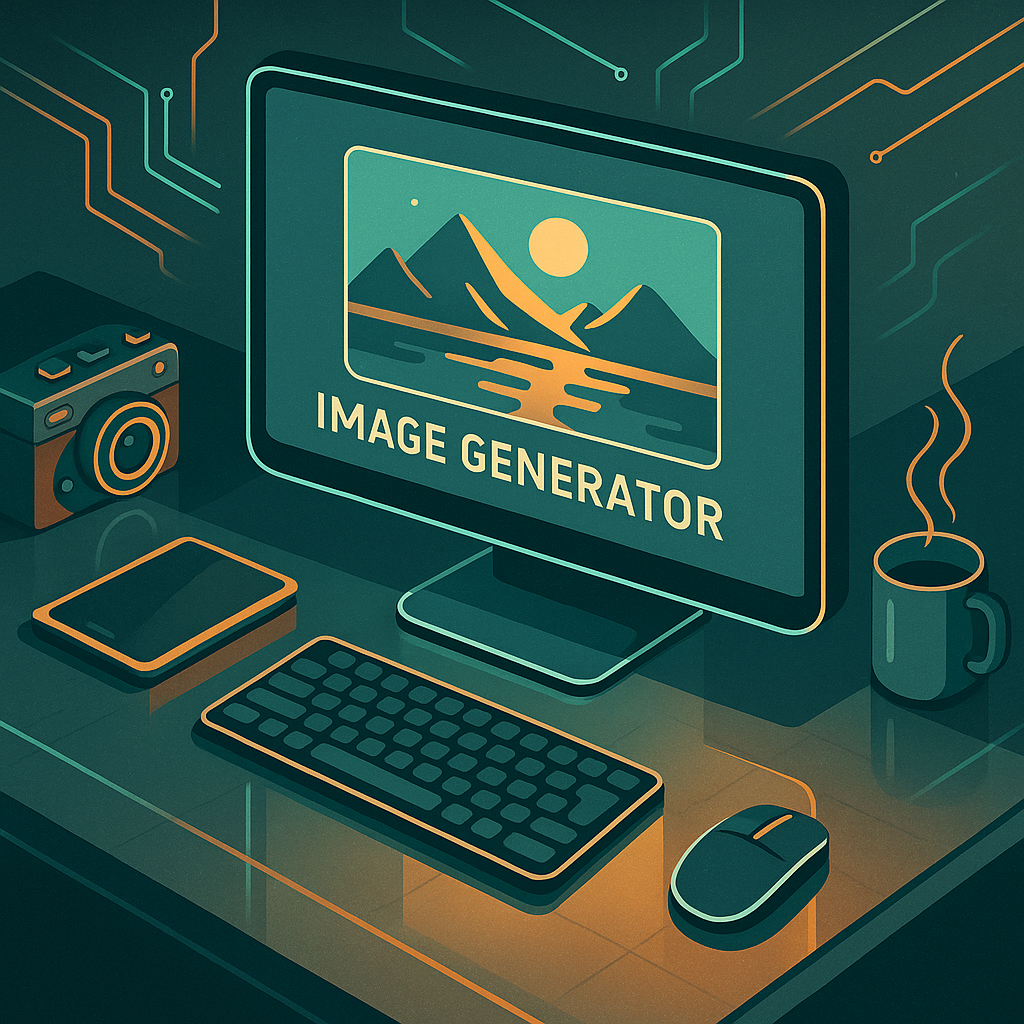
Image Generators
In recent years, image generators have progressed from niche tools to mainstream technologies that shape various industries, including entertainment, marketing, and design. This article takes a detailed look at the timeline of developments in image generation, highlighting key milestones that have influenced the evolution of this exciting field.
2014: The Birth of Generative Adversarial Networks (GANs)
The journey of modern image generators can be traced back to 2014 when Ian Goodfellow and his team introduced Generative Adversarial Networks (GANs). This framework consists of two neural networks—the generator and the discriminator—competing against each other. The generator creates images while the discriminator evaluates them for authenticity. This groundbreaking approach laid the foundation for subsequent advancements in generating high-quality images.
2016-2017: Enhanced Image Resolution and Style Transfer
Building on GANs, researchers began focusing on enhancing image resolution and style transfer capabilities. In 2016, techniques such as Progressive Growing GANs emerged, allowing for the generation of increasingly realistic images by incrementally increasing image size during training. Meanwhile, style transfer algorithms gained traction, enabling users to apply artistic styles from one image to another seamlessly. This marked a significant leap forward in creative applications for artists and designers alike.
2018: BigGAN and Increasing Realism
The release of BigGAN in 2018 was another milestone that showcased how far GANs had come in producing lifelike images. By improving training techniques and expanding model capacity, researchers demonstrated that it was possible to generate high-resolution images with unprecedented detail. BigGAN’s ability to create complex scenes opened doors for commercial applications—especially in advertising and media.
2020: The Rise of DALL-E
In early 2021, OpenAI released DALL-E, a revolutionary model capable of creating original images from textual descriptions. Building upon transformer architecture similar to GPT-3, DALL-E could combine concepts creatively and generate highly specific visuals based on user input. For instance, it could produce an image of "an avocado chair" or "a two-headed flamingo." This marked a pivotal moment where text-to-image synthesis became increasingly accessible to non-experts.
2021: Midjourney & Stable Diffusion
The landscape further evolved with the advent of Midjourney and Stable Diffusion toward late 2021. Midjourney emphasized artistic styles through customizable parameters within its AI-driven platform. Users found themselves immersed in an environment where personal creativity flourished alongside machine intelligence.
Stable Diffusion took things further by offering open-source capabilities that democratized access to sophisticated generative tools. With its novel sampling methods and accessibility features, it empowered hobbyists and professionals alike to create stunning visuals without requiring extensive computational resources.
2022: Mainstream Adoption
By 2022, image generators had found their way into daily workflows across various sectors. Graphic designers integrated these tools into their processes for rapid prototyping; digital marketers leveraged them for innovative content creation; game developers utilized them for concept art generation; even educators began using these models as teaching aids in creative classes.
Moreover, companies like Adobe introduced AI-powered features into existing software suites that relied heavily on image manipulation—such as Photoshop's Neural Filters—further normalizing generative technology.
2023: Ethical Considerations & Legislative Challenges
The rapid advancement didn't come without its challenges. As the capabilities of these models grew exponentially so did concerns regarding copyright infringement, misinformation dissemination through deep fakes, cultural appropriation issues reflected within generated artworks among others.
Legislation began emerging globally aiming at regulating AI's artistic outputs while addressing ethical dilemmas associated with authorship rights—prompting discussions across various forums including academic circles and industry conferences alike.
A notable case involved controversies surrounding AI-generated art entering traditional galleries prompting debates over intellectual property laws applicable amidst this evolving landscape.
Organizations started establishing guidelines defining best practices ensuring creators maintain control over their work whilst embracing technological innovation responsibly.
Cultural Impact & Future Prospects
The cultural implications of image generators are far-reaching. As they become more ingrained within society—from aiding artists’ creative processes to impacting content production standards—the line between human-created art versus machine-generated content blurs further each day.
The rise of virtual influencers powered by AI-generated imagery is a testament to this trend; brands leverage these personas extensively tapping into social media markets where reality meets imagination seamlessly.
The future, however promising it seems warrants cautious optimism amidst ongoing dialogues about accountability especially regarding misinformation risks posed by hyperrealistic imagery capable of simulating real-world events!
Overall we find ourselves standing at an intersection—a crossroads juxtaposing innovation with responsibility—with no definitive answers yet but plenty exploration ahead limited only by our collective imaginations!
Recent Posts
Unveiling the Truth: Myths vs. Reality in Working with Neural Networks and AI Mo...
May 30, 2026
Uncover Hidden Gems in Neural Networks: The Unsung Tools of AI Model Mastery
May 30, 2026
Avoid These Common Pitfalls in Image Generators to Enhance Your Creative Process
May 30, 2026
Maximum Potential
Get the full experience with Pro Plan
INFORMATION