May 30, 2026
Avoid These Common Pitfalls in Image Generators to Enhance Your Creative Process
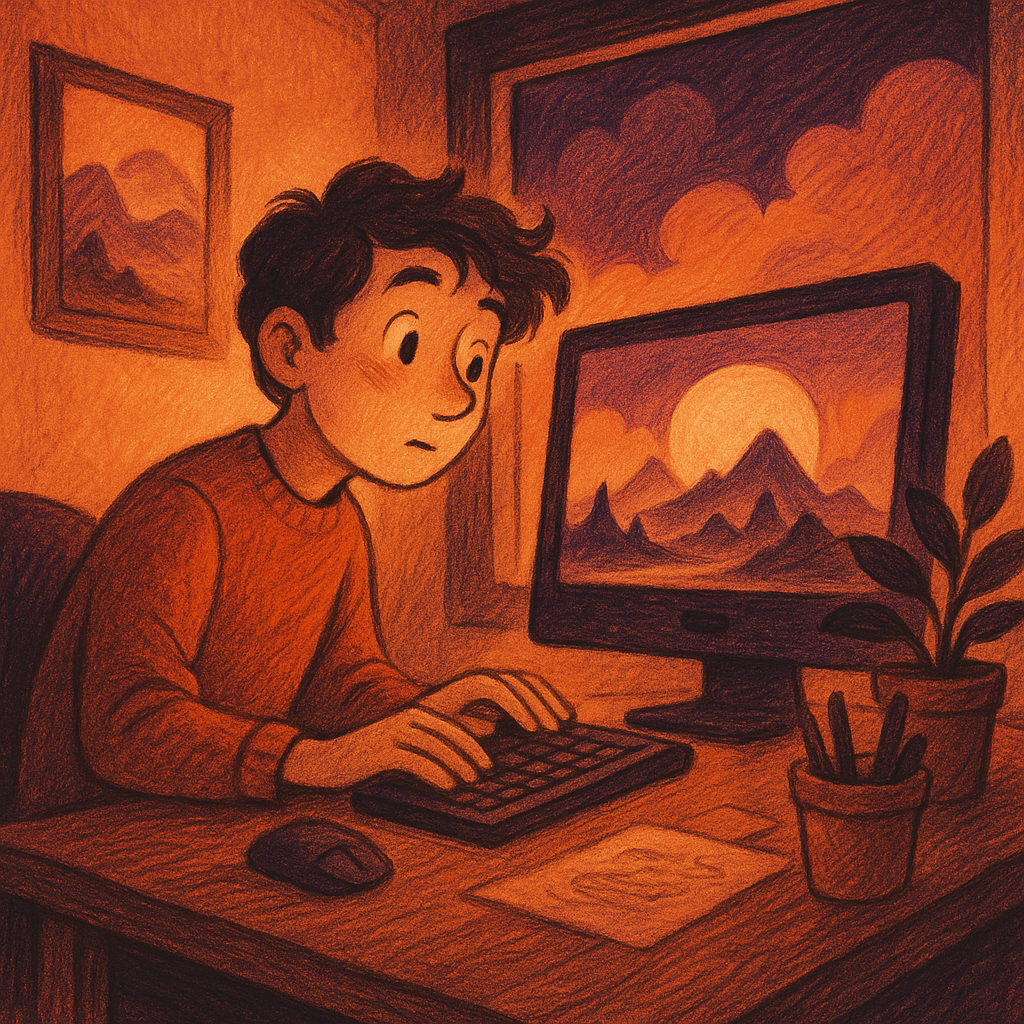
Image Generators
The rise of image generators powered by artificial intelligence has transformed the landscape of digital art and design. These tools, capable of producing stunning visuals from simple text prompts, have become accessible to a wide array of users, from professional designers to hobbyists. However, as with any emerging technology, users often encounter pitfalls that can detract from their creative experience. Recognizing common mistakes and understanding how to avoid them can significantly enhance the quality of generated images and streamline the creative process.
Understanding Image Generators
Image generators leverage deep learning algorithms to interpret text inputs and create corresponding images. They draw upon vast datasets to understand styles, contexts, and subjects, allowing users to produce artwork that ranges from photorealistic representations to fantastical illustrations. Familiarity with these tools is essential for maximizing their potential, but not all users approach them with the necessary knowledge.
Common Mistakes When Using Image Generators
Poorly Constructed Prompts
One of the most significant errors users make is providing vague or poorly constructed prompts. A prompt like "create a landscape" lacks specificity and may result in an image that doesn’t meet expectations. To avoid this pitfall, consider the following tips:
- Be Specific: Include details such as the type of landscape (mountainous, coastal), time of day (sunset, dawn), and desired style (impressionist, realistic).
- Use Descriptive Language: Incorporate adjectives that convey mood (serene, chaotic) or elements you want included (a river, trees). The more context you provide, the clearer your vision becomes for the AI.
- Add Contextual Elements: If relevant, mention characters or activities within the scene. This helps guide the generator towards creating a more cohesive image.
Ignoring Style Consistency
Another frequent mistake is neglecting style consistency across multiple images. Users may request a series of images without considering how varying styles might undermine their intended project’s coherence. Here’s how to maintain style consistency:
- Select a Style Early On: Decide on an artistic style—be it cartoonish, surrealistic, or minimalist—before starting your project.
- Utilize Style Tags: Many image generators allow users to incorporate style tags explicitly; use these features effectively.
- Avoid Mixing Styles: Unless intentionally creating contrast or variation in your work for thematic purposes, aim for similar styles across all generated pieces within a single project.
Simplifying Complex Requests
A common misconception is that AI image generators can easily manage intricate requests without proper guidance. However, complex scenes can lead to muddled results unless simplified appropriately. Here are strategies for simplifying complex prompts:
- Break It Down: Instead of requesting an elaborate scene all at once, break it down into smaller components and generate each part individually before combining them manually.
- Create Variations: Start with simpler versions of your idea and gradually add complexity in subsequent iterations based on what works best.
Pushing Limits Without Testing
User enthusiasm can sometimes lead to pushing AI beyond its limits without conducting preliminary tests. For instance, demanding highly abstract concepts may yield unexpected results if not approached cautiously. To mitigate this risk:
- Create Iterative Tests: Start with basic concepts before gradually increasing complexity through trials.
- Elicit Feedback: If collaborating with others or working on group projects; share early drafts to gather input before finalizing outputs.
The Importance of Post-Processing
A misconception surrounding image generators is that they require little to no post-processing once generated. In reality, post-processing can greatly enhance the output's quality. Here are some tips for effective post-processing:
- Edit for Final Touches: Use graphic editing software like Adobe Photoshop or GIMP to refine colors and adjust composition after generating an image.
- Add Personal Touches: Tweaking aspects like brightness or contrast ensures that even automated pieces reflect your personal aesthetic preferences more closely.
Navigating Ethical Considerations
The rise of AI-generated content brings ethical concerns regarding originality and copyright issues into focus. Users must navigate these concerns thoughtfully by adhering to industry standards:
- Cite Appropriately: If using generated images publicly (for business use or otherwise), attribute accordingly if required by the tool’s policies.
Your Questions Answered: A Quick Q&A Section
Q: Can I create an entire comic book using an image generator?
A: Yes! However, make sure you maintain consistent character designs and settings by using specific prompts tailored for each page while ensuring they align stylistically across panels.
Q: How do I choose which generator works best for my needs?
A: Research different platforms based on user reviews focusing on quality versus cost-effectiveness—try several options until you find what resonates most with your artistic vision!
Q: Are there any free options available?
A: Absolutely! Many online platforms offer free trials or limited versions; explore these as part of your experimentation process before committing financially!
The Future Is Bright — Just Avoid Common Pitfalls!
The world of AI-driven image generation continues expanding rapidly; avoiding typical mistakes will undoubtedly enhance both enjoyment and productivity when engaging with this technology. By being mindful about crafting detailed prompts while maintaining clean execution throughout various processes—from inception through post-production—users position themselves not only as consumers but as innovators within this exciting digital frontier.
Recent Posts
Unveiling the Truth: Myths vs. Reality in Working with Neural Networks and AI Mo...
May 30, 2026
Uncover Hidden Gems in Neural Networks: The Unsung Tools of AI Model Mastery
May 30, 2026
A Journey Through Time: Key Milestones in the Evolution of Image Generators
May 30, 2026

Maximum Potential
Get the full experience with Pro Plan
INFORMATION