June 13, 2026
Avoiding Pitfalls: Top Mistakes in Image Generators and How to Fix Them
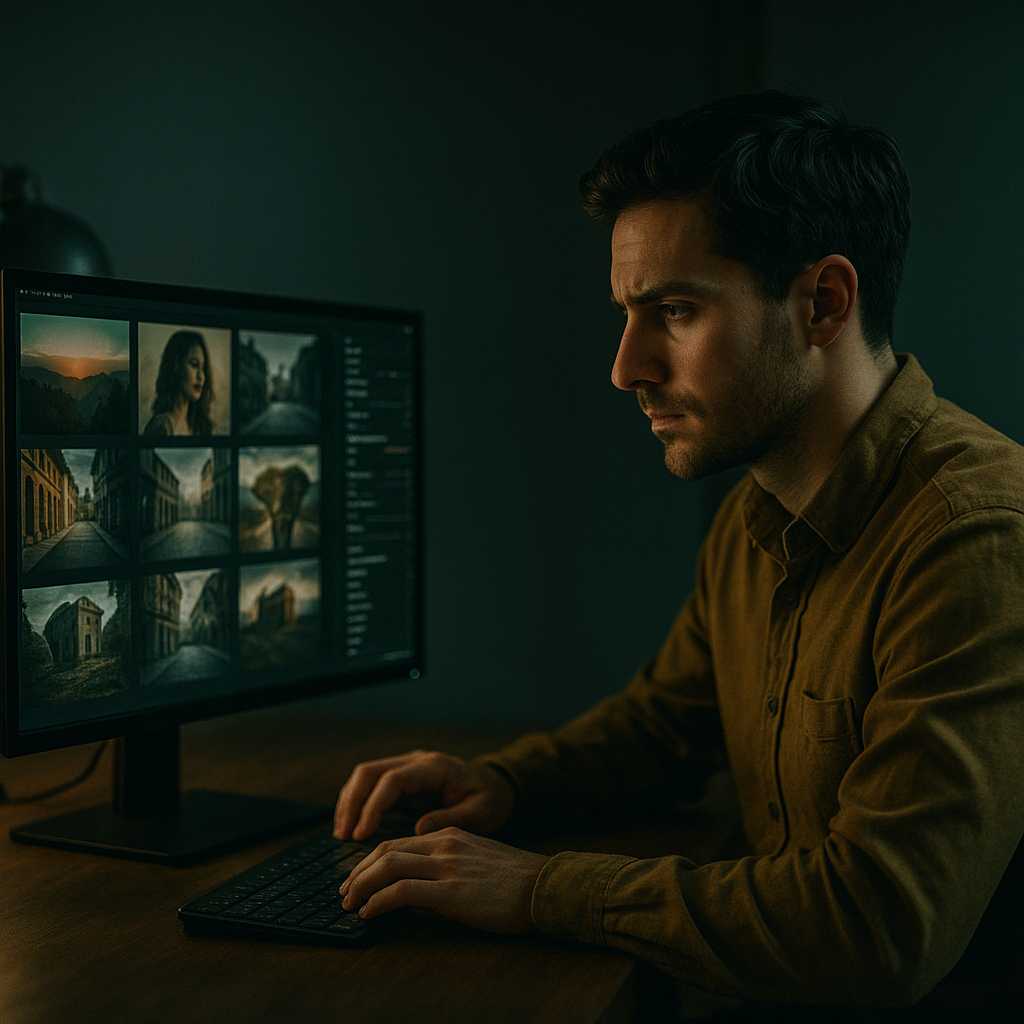
Image Generators
In recent years, image generators powered by artificial intelligence have taken the digital art world by storm. These innovative tools allow users to create stunning visuals with just a few clicks, transforming ideas into vivid imagery in seconds. However, as more people flock to these technologies, common mistakes often arise that can hinder the creative process and produce unsatisfactory results. Understanding these pitfalls—and how to navigate them—is essential for anyone looking to harness the potential of image generators effectively.
1. Not Defining Clear Objectives
One of the most prevalent mistakes is entering an image generator without a clear vision or objective. Users may provide vague prompts or lack direction in their creative process, which can lead to disappointing or irrelevant results. To avoid this, it's crucial to define what you want before engaging with the tool.
How to Avoid It: Spend time brainstorming your concept and narrowing down your ideas. Consider writing down keywords or phrases that encapsulate your vision. The clearer your prompt, the better the generated images will align with your expectations.
2. Ignoring Style and Aesthetic Consistency
Another common oversight is neglecting aesthetic consistency across generated images when creating a series or thematic project. This inconsistency can occur if users fail to specify style elements in their prompts or do not maintain a cohesive theme throughout.
How to Avoid It: When generating multiple images intended for a single project, choose a consistent style guide—this could be art styles, color schemes, or even particular moods (e.g., whimsical vs. serious). By including stylistic references in your prompts or selecting options within the generator that favor similar aesthetics, you’ll achieve a more harmonious collection of images.
3. Overloading Prompts with Information
Conversely, some users make the mistake of overloading their prompts with excessive information and details in an attempt to get precisely what they envision. This approach can confuse AI algorithms and lead to cluttered images that lack focus.
How to Avoid It: Strive for simplicity while being descriptive enough to convey your idea effectively. Focus on key elements that matter most for your image—such as central subjects and important characteristics—while omitting extraneous details that may dilute the overall clarity of your request.
4. Failing to Experiment
An often-overlooked aspect of working with image generators is experimenting with different variations of prompts and settings. Some users expect perfection on their first try and may give up when they don’t achieve their desired result immediately.
How to Avoid It: Embrace experimentation! Try tweaking different facets of your prompt—alter word choices, modify styles, or change settings within the generator’s parameters. Every small change can yield vastly different outcomes; learning from each iteration will enhance both your skills and final results over time.
5. Neglecting Resolution and Quality Settings
A significant number of users overlook resolution settings when generating images, resulting in low-quality outputs unsuitable for professional use or printing purposes. Using lower resolutions can lead to pixelation and loss of detail when downsizing larger compositions.
How to Avoid It: Always check for resolution options provided by the image generation tool you’re using—select higher resolutions whenever possible if you plan on using those images commercially or in print media. Familiarize yourself with optimal sizes for various applications so you don't compromise quality inadvertently.
6. Assuming All Results Are Copyright-Free
A critical error some creators make is assuming that all generated images are free from copyright restrictions simply because they were produced by an AI tool rather than a human artist. While many generative platforms state terms regarding usage rights, misunderstandings about ownership can lead creators into legal trouble.
How to Avoid It: Read through licensing agreements carefully before using any generated content publicly or commercially! Understand whether attribution is required, if there are any limitations on usage types—or even if some parts remain copyrighted despite being algorithmically created.
7. Disregarding Post-Processing Opportunities
The journey doesn’t end once you receive your generated image; many creators fail to recognize the power of post-processing tools like Photoshop or GIMP in enhancing their visuals further after generation.
How to Avoid It: Think creatively about how post-processing could elevate your initial creation! Whether it’s adjusting colors for better harmony, cleaning unwanted artifacts from generation artifacts via editing software enhancement techniques—layering effects allows additional depth beyond what was initially rendered by AI tools alone!
Your Path Forward with Image Generators
The rapid evolution of AI-driven technologies is paving new avenues for artists across disciplines—from graphic design and marketing campaigns through personal artistic endeavors! By recognizing common pitfalls associated with using image generators and implementing strategies outlined above—you'll unlock even greater potential within this exciting realm!
Together we can push boundaries while respecting ethical standards surrounding creativity—the fusion between human ingenuity & machine assistance has truly redefined artistry as we know it today!
Recent Posts
Breakthrough in Neural Networks: How New AI Models Revolutionize Global Tech
June 16, 2026
Head-to-Head: Comparing Neural Network Models and Their Impact on AI Work Today
June 16, 2026
New Breakthrough in Image Generators Promises to Revolutionize Artistic Expressi...
June 16, 2026

Maximum Potential
Get the full experience with Pro Plan
INFORMATION