June 6, 2026
Debate Erupts Over Image Generators: Artists vs. Technology in Creative Spaces
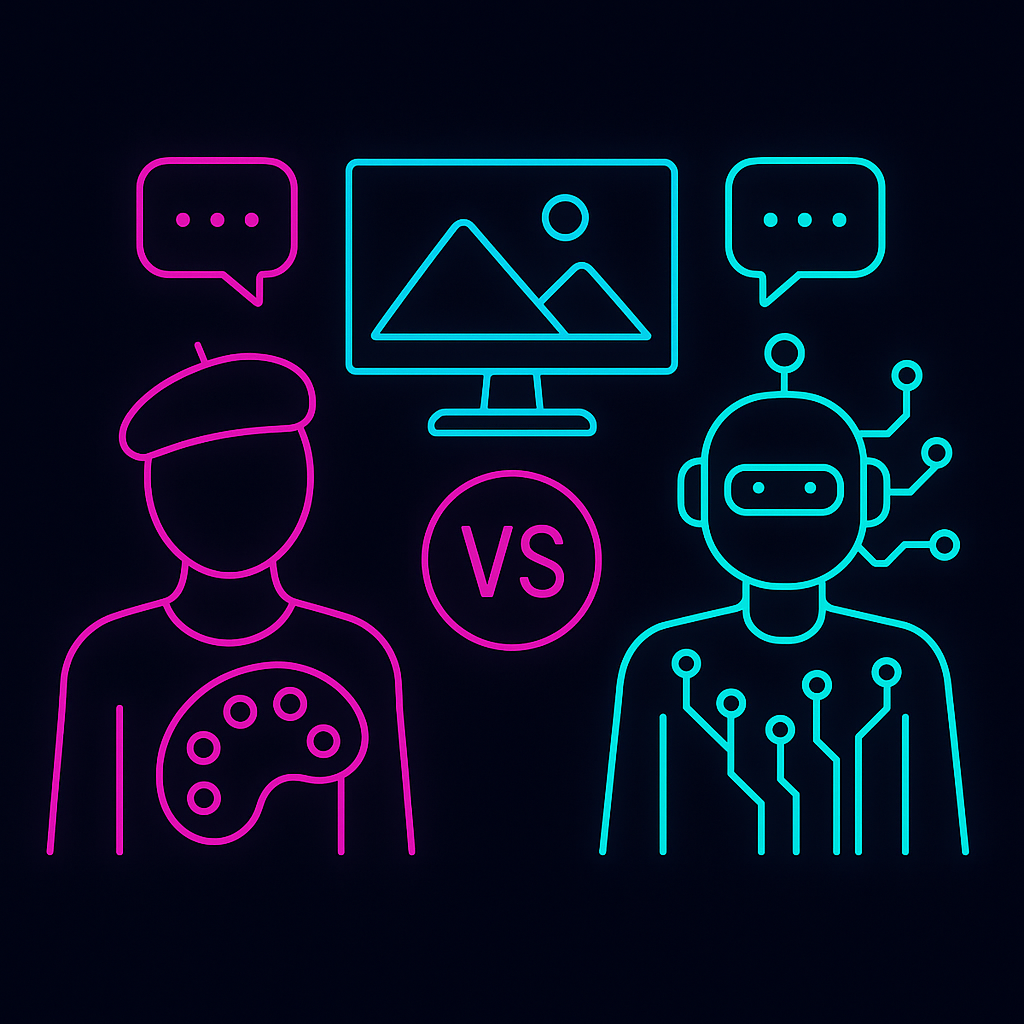
Image Generators
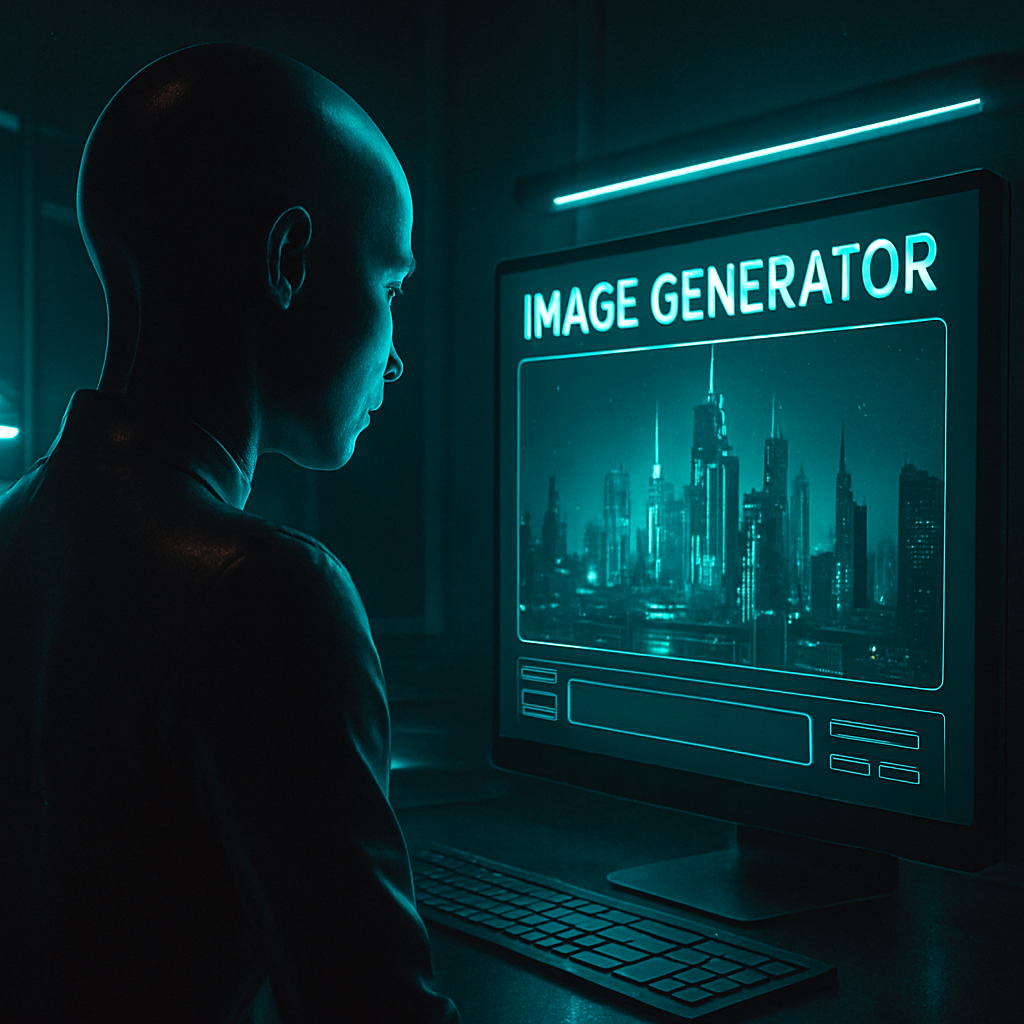
In recent years, the emergence of image generators powered by artificial intelligence (AI) has sparked a heated debate surrounding their implications for creativity, copyright, and the future of artistic professions. These AI-driven tools, capable of producing stunning visuals from simple prompts, have quickly gained popularity among artists, marketers, and everyday users. However, the innovation comes with its share of controversy—pitting advocates for technological advancement against traditionalists who seek to protect artistic integrity and intellectual property.
At the heart of the debate is how these image generators function. Using complex algorithms and extensive datasets harvested from existing artworks, these systems can create entirely new images based on textual descriptions. For instance, a user might type “a serene forest at sunset,” and within moments, the AI produces a unique visual representation. While this astounding capability showcases AI's potential as a tool for creativity, it also raises significant ethical questions.
The Arguments in Favor of Image Generators
Proponents of image generators argue that these technologies democratize art creation by making it accessible to everyone. They contend that individuals who may lack traditional artistic skills can now express their ideas visually without needing years of training. This accessibility opens doors for diverse voices and perspectives in the art world.
Furthermore, supporters emphasize that AI image generation serves as an innovative tool for professional artists rather than a replacement. Many artists use these generators to enhance their creative processes—sourcing inspiration or generating drafts to refine later. This perspective highlights how technology can complement human creativity instead of undermining it.
- Diversity in Art: By lowering barriers to entry, more individuals can engage with visual storytelling, leading to richer cultural expressions.
- Creative Collaboration: Artists are exploring collaborations with AI systems, using them as partners in the creative process rather than competitors.
- Efficiency: Image generators can streamline production for businesses in marketing and advertising sectors where visuals play a crucial role.
The Counterarguments: Concerns About Copyright and Artistic Integrity
On the flip side of the debate are critics who voice serious concerns regarding copyright infringement and the potential devaluation of human artistry. A significant point raised is that many AI models are trained on existing artworks without artists' consent or compensation. As a result, they produce new images that could closely resemble or derive from copyrighted material—a situation many creators find unacceptable.
Moreover, detractors argue that widespread use of image generators threatens traditional artistic professions. As businesses may opt to utilize cost-effective AI solutions over hiring skilled artists for projects requiring visual content, fear exists around job displacement in creative fields.
- Copyright Issues: The legality surrounding ownership remains ambiguous; questions arise about who owns an image generated by AI if it mimics an artist's style.
- Authenticity Concerns: Critics assert that relying on machines diminishes the value placed on human creativity and emotional expression within art.
- Job Losses: The fear persists that continued development in this field will lead to fewer opportunities for professional artists as companies prioritize cheaper AI-generated work.
A Q&A on Image Generators: Weighing Perspectives
Q: How do creators license their work when using an AI generator?
A: Licensing practices vary widely. Some platforms allow users to generate images freely without restrictions; others offer licenses with specific usage rights depending on subscription models or terms agreed upon at creation time.
Q: Can image generators recognize different art styles?
A: Yes! Advanced machine learning techniques enable these systems not only to replicate styles but also create hybrid pieces combining elements from multiple genres. However, this raises further concerns about respect for original creators’ intellectual property rights.
The Way Forward: Balancing Innovation with Ethical Considerations
The ongoing controversy surrounding image generators suggests a pressing need for clear regulations that address copyright laws specific to AI-generated content while fostering innovation within creative industries. Establishing standards could promote responsible use of such technologies while respecting traditional artistry's importance and ensuring fair compensation for creators whose works contribute to training datasets.
This balancing act is essential not only for protecting individual rights but also ensuring that advancements continue nourishing rather than stifling creativity across disciplines—from digital art and graphic design to advertising and beyond. As society moves further into an era dominated by technology intertwining with human expression and imagination, open dialogue among all stakeholders—including artists, technologists, regulators—and educational initiatives will be crucial in harnessing positive outcomes from this remarkable intersection of art and innovation.
The conversation around image generators is likely far from over; as technology continues advancing at unprecedented rates each year brings both challenges and opportunities calling attention back towards preserving culture while embracing progress—finding common ground through collaboration rather than division will shape our creative future.
Recent Posts

Maximum Potential
Get the full experience with Pro Plan
INFORMATION