June 6, 2026
Revolutionary Image Generator Breakthrough Set to Transform Creative Industries
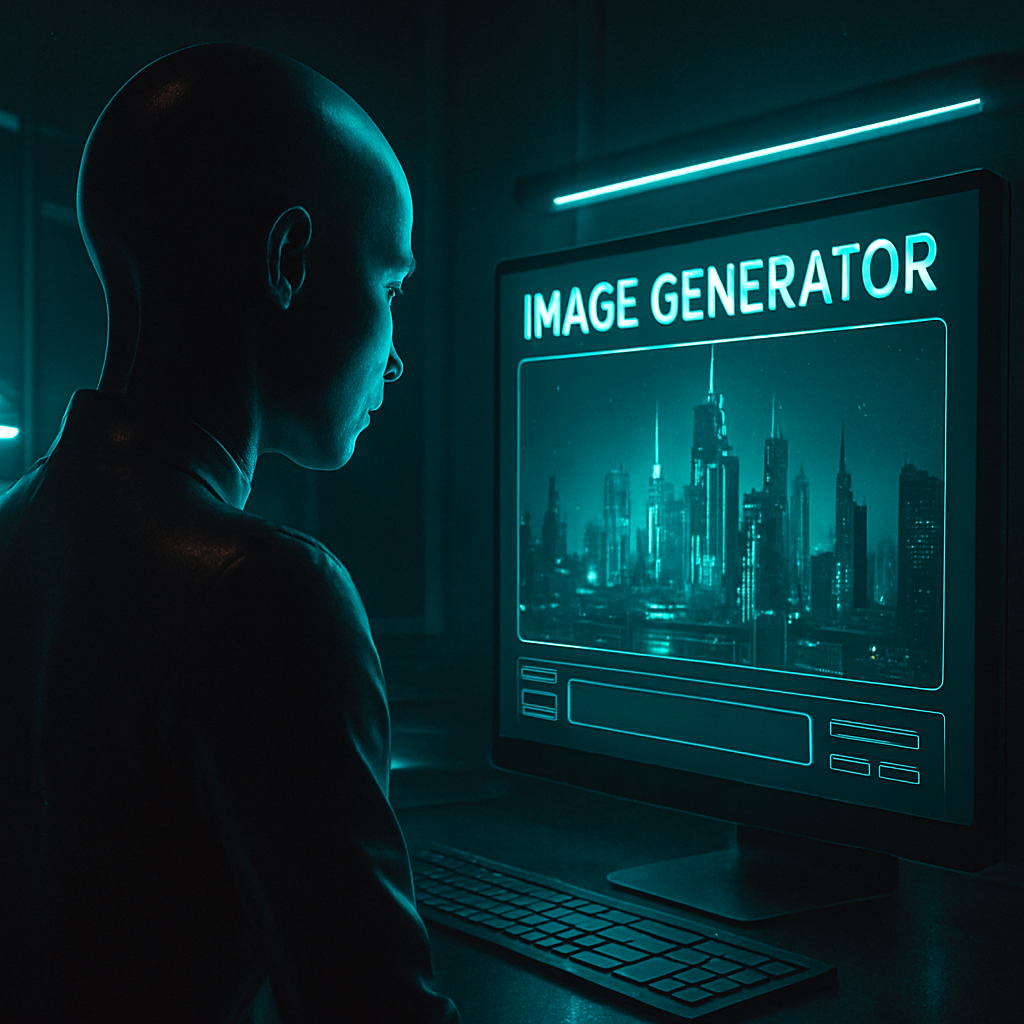
Image Generators
In a landscape where technology continuously reshapes creative avenues, a groundbreaking announcement has emerged from the realm of artificial intelligence: a new generation of image generators capable of producing stunningly realistic visuals that blur the lines between digital and reality. This innovation, revealed by several leading AI research organizations, promises to revolutionize industries ranging from entertainment to advertising, altering not just how we create content but also how we perceive it.
The latest image generator utilizes advanced algorithms derived from deep learning and neural networks. Unlike previous iterations, which often required extensive manual input or produced images that lacked coherence, this new model boasts an unprecedented understanding of context and detail. It can generate images based on simple textual prompts, responding to nuanced nuances in language with startling accuracy.
The Technology Behind Image Generation
The breakthrough centers around the implementation of Generative Adversarial Networks (GANs) combined with cutting-edge natural language processing capabilities. In essence, two neural networks work in tandem: one generates images while the other critiques them until they reach a level of quality indistinguishable from real photographs. This dual-system approach allows for rapid refinement and improvement.
One significant advancement is the model's ability to integrate multimodal inputs—combining text descriptions, sketches, and even audio cues to inform image creation. For instance, users can input a phrase like “a serene beach at sunset with silhouettes of palm trees,” and the generator produces a rich visual representation that captures not only the elements described but also conveys an emotional resonance through color palettes and lighting effects.
Applications Across Industries
The implications of this technology are staggering and multifaceted. Here are some key industries poised for transformation:
- Entertainment: Filmmakers and game developers can utilize these generators for concept art or storyboarding, significantly reducing production time while enabling more imaginative storytelling.
- Advertising: Marketers can create bespoke visuals tailored to specific campaigns without relying heavily on traditional photography or graphic design resources, allowing for more personalized customer engagement.
- Fashion: Designers are already experimenting with AI-generated fashion imagery to visualize clothing lines before any physical prototypes are made, leading to more innovative designs without extensive resource expenditure.
- Education: Learning materials can benefit as educators generate customized illustrations that cater directly to curriculum needs or student interests, enhancing engagement and retention.
The Ethical Considerations
While the potential benefits are exciting, this new technology also raises important ethical questions regarding copyright ownership and authenticity. As creators leverage AI-generated images in their work, who holds the rights to these creations? Furthermore, there is concern about issues such as misinformation; easily generated imagery could be used maliciously in ways that challenge public trust in visual media.
A broader discussion is necessary within society about how these tools should be regulated. Some experts argue for clear guidelines surrounding attribution when using AI-generated content while others suggest setting limitations on its usage for sensitive topics or manipulative purposes.
Q&A: Insights into Image Generation Breakthroughs
Q: What makes this generation of image generators different from earlier models?
A: The current models incorporate enhanced machine learning techniques that allow them to respond more intelligently to user prompts. This includes interpreting subtleties in language and providing contextually rich imagery rather than basic representations.
Q: How accessible will this technology be for everyday users?
A: Many companies aiming to democratize access are developing user-friendly interfaces that enable anyone—from hobbyists to professionals—to harness this technology without needing extensive technical knowledge.
Q: Can these tools accurately depict cultural diversity?
A: This remains an area for improvement. Developers must ensure diverse data sets represent various cultures adequately so that generated images reflect global diversity authentically.
The Future Landscape of Creativity
This breakthrough heralds a new era where creativity knows no bounds—or does it? As image generators become increasingly sophisticated and integrated into our daily lives, they may reshape what it means to be an artist or creator. The question becomes whether human intuition and emotion can ever truly be replicated by machines or if they merely serve as sophisticated tools augmenting our creativity.
This convergence of art and artificial intelligence invites us into uncharted territories where collaboration between humans and machines can yield remarkable results. As discussions continue around ethics and regulations in this new creative frontier, one thing is certain: the future of image generation has arrived—a shift likely only beginning as our interactions with technology evolve further.
As we navigate this transformative period marked by rapid technological advancements, stakeholders across sectors must remain vigilant about leveraging these tools responsibly while embracing their vast potential. The time has come not only to ponder what will be created next but also how we will coexist alongside algorithms capable of shaping our visual worlds in ways previously confined only to imagination.
Recent Posts

Maximum Potential
Get the full experience with Pro Plan
INFORMATION