May 29, 2026
Exploring Data-Driven Trends in Image Generators: A Comprehensive Industry Analysis
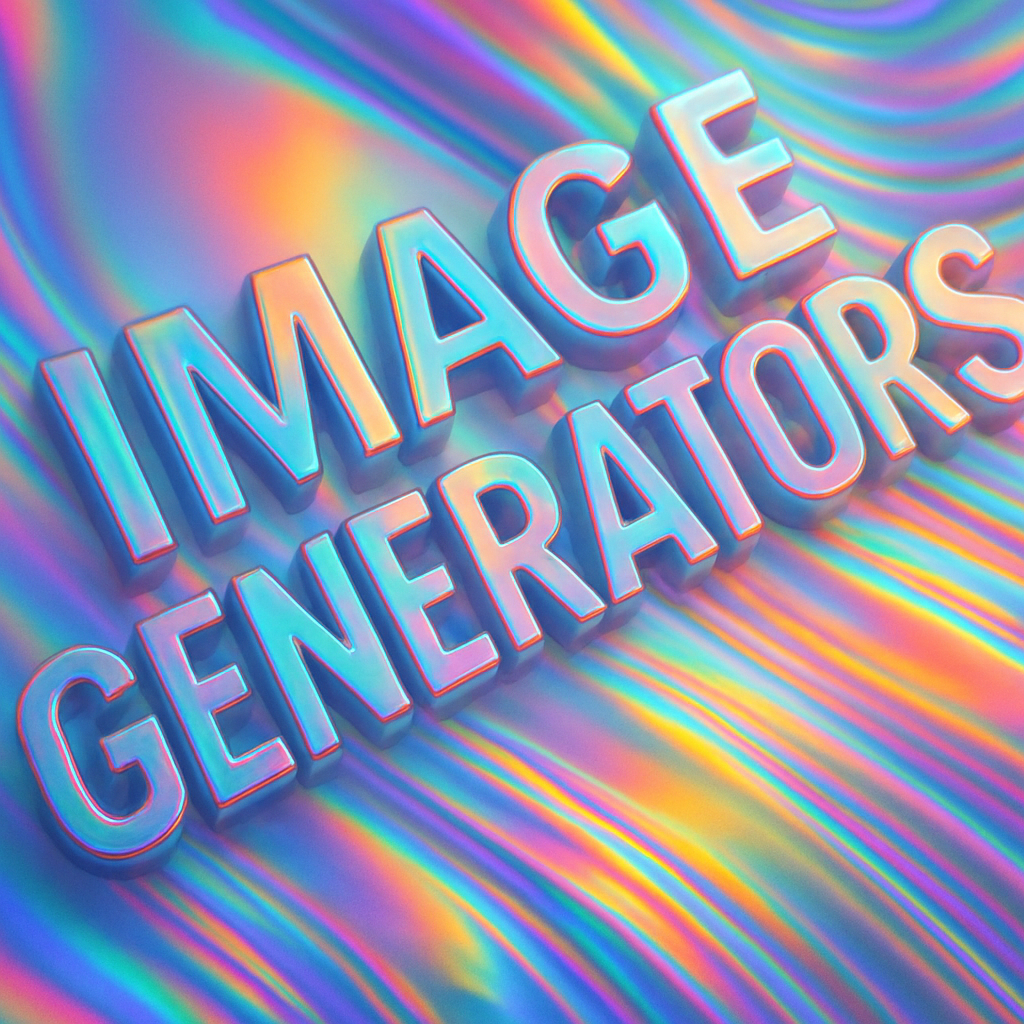
Image Generators
The rise of image generators has marked a significant shift in the way creative professionals, businesses, and individuals approach visual content creation. As artificial intelligence continues to advance, the capabilities of image generation tools have become increasingly sophisticated. This article delves deep into the industry trends surrounding image generators, offering insights into their growth, their impact on various sectors, and what the future may hold for these innovative technologies.
According to recent market research by Fortune Business Insights, the global AI-generated content market is projected to grow from $2.2 billion in 2023 to over $12 billion by 2030, indicating a compound annual growth rate (CAGR) of approximately 28%. This explosive growth can be attributed to several factors, including rising demand for personalized marketing materials, rapid advancements in machine learning algorithms, and increasing access to AI technology across industries.
Current Landscape of Image Generators
Image generators utilize deep learning models to create visuals based on textual inputs or other forms of data. Tools such as OpenAI's DALL-E 2, Midjourney, and Stability AI's Stable Diffusion have gained popularity due to their ability to produce high-quality images that rival traditional artistic methods. These platforms allow users—ranging from artists and designers to marketers and educators—to generate unique visuals without requiring extensive graphic design skills.
The technology behind these tools typically involves Generative Adversarial Networks (GANs) or diffusion models that learn from vast datasets of images and associated descriptions. By processing this information, image generators can grasp complex relationships between words and visual elements, leading to coherent image creation that aligns with user prompts.
Sector-Specific Applications
The applications of image generators span across various sectors:
- Marketing and Advertising: Brands are leveraging image generation tools for creating tailored marketing materials that resonate with target audiences. Automated design solutions save time while enabling marketers to explore multiple concepts quickly. In fact, a survey from AdWeek revealed that 65% of marketers believe AI-generated visuals enhance their creativity.
- Entertainment: The entertainment industry has also embraced image generation for storyboarding films or video games. Artists can use these tools to visualize concepts at early stages quickly and inexpensively. A notable example is Netflix utilizing generative art for promotional campaigns.
- E-commerce: Online retailers are using AI-generated images for product listings that require high-quality visuals but often lack resources for professional photography. Businesses can now generate lifestyle images showcasing products in different settings without incurring hefty costs associated with traditional shoots.
- Education: Educators are integrating image generation into curricula as a means to foster creativity among students. By allowing learners to visualize their ideas instantly, these tools enhance engagement in subjects ranging from art history to literature.
The Impact on Creative Professionals
The emergence of image generators has sparked debates within creative communities regarding authenticity and originality. While some artists view AI-generated art as a collaborative tool that augments human creativity, others express concern about job displacement and the devaluation of traditional skills.
A report published by the Creative Industries Federation indicated that 45% of creative professionals are wary about how AI could impact their jobs in the next five years. However, many experts argue that rather than replacing human artists, AI will serve as an assistant—allowing creatives more time for experimentation and ideation while automating repetitive tasks.
Ethical Considerations
The rapid advancement and adoption of image generators also come with ethical implications regarding copyright issues and consent in artwork creation. Given that these models are trained on vast datasets sourced from the internet—including copyrighted material—the question arises: who owns the generated work?
This legal grey area has prompted organizations like the U.S. Copyright Office to begin exploring policies surrounding AI-created content. Additionally, discussions around bias in training datasets highlight potential concerns about perpetuating stereotypes or misrepresentation through generated imagery.
The Future of Image Generation Technology
The horizon looks promising for further innovations within this sector as researchers continue refining algorithms for even better accuracy in generating realistic images based on complex prompts. Upcoming trends may include:
- Increased Personalization: As machine learning models evolve with greater understanding of individual user preferences through enhanced data analysis techniques, customization possibilities will explode—allowing users not only text-based input but also emotional tone or style preferences.
- Integration with Augmented Reality (AR): The fusion between AR capabilities and image generation tools may revolutionize design fields where interactive visuals become commonplace in architecture planning or gaming environments.
- Sustainability Efforts: Artists increasingly seek eco-friendly practices; thus developments aimed at reducing energy consumption during model training could align well with sustainability goals across industries.
A Q&A with Industry Experts
Q: How do you see businesses adapting as AI-generated imagery becomes more widespread?
A: Companies will need to incorporate these technologies strategically into existing workflows without losing their unique voice or brand identity—ensuring they leverage innovation while maintaining authenticity in storytelling.
Q: What advice would you give aspiring creators who feel threatened by this technology?
A: Embrace it! Learn how you can use AI as a springboard rather than viewing it solely as competition; think about collaboration opportunities where your expertise complements technological strengths!
Q: What role do you anticipate regulations will play going forward?
A: Regulations are likely inevitable as governments recognize implications surrounding intellectual property rights; however finding balanced approaches ensuring support for innovators alongside protecting artists' rights will be crucial moving ahead!
The landscape of image generation technology is evolving rapidly—with both challenges and opportunities emerging alongside its growth. As industries adapt creatively while addressing ethical considerations head-on—one thing remains clear: we are just beginning our journey into a world reshaped by imagination fueled through artificial intelligence.
Recent Posts
Discover the Underrated Tools Revolutionizing Neural Network Work and AI Models
May 29, 2026
Experts Weigh In: The Future of Working with Neural Networks and AI Models
May 29, 2026
Revolutionary Image Generator Breakthrough: Transforming Creative Possibilities
May 29, 2026

Maximum Potential
Get the full experience with Pro Plan
INFORMATION