May 29, 2026
Revolutionary Image Generator Breakthrough: Transforming Creative Possibilities
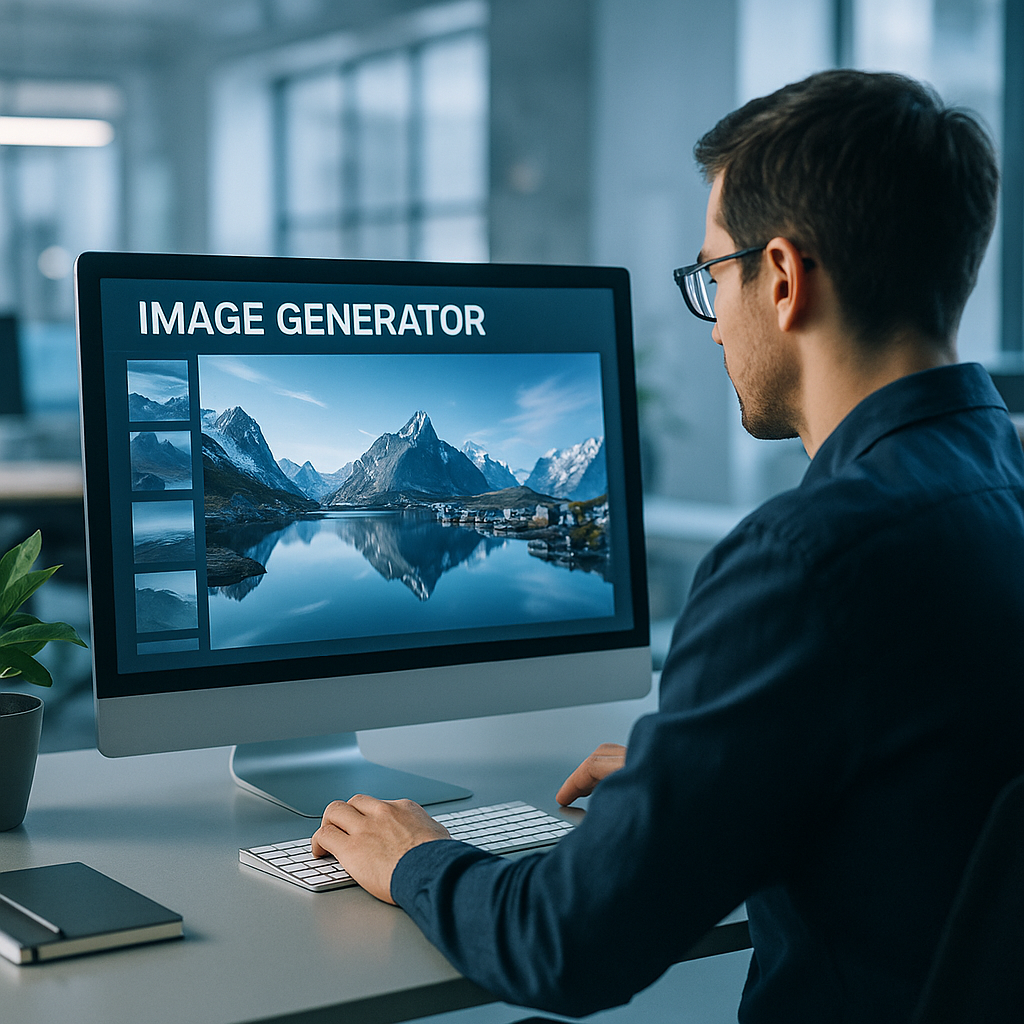
Image Generators
In a remarkable leap for artificial intelligence, leading researchers have announced a breakthrough in image generator technology that promises to redefine creative processes across various industries. This advancement enables machines to create stunningly realistic images from textual descriptions, marking a significant milestone in the development of generative AI. The implications of this technology stretch far beyond mere novelty, influencing fields such as advertising, design, entertainment, education, and even fine arts.
The Breakthrough: How It Works
The new image generator utilizes an advanced neural network architecture that combines deep learning techniques with rich datasets. Unlike its predecessors, which struggled with coherence in complex scenes or often produced distorted images, the latest model employs enhanced algorithms that better understand context and nuance in language. When provided with a description—be it “a sunset over a mountain range” or “a futuristic cityscape”—the system can generate high-resolution images that not only match the description but also exhibit intricate details and artistic flair.
This revolutionary advancement is rooted in two main components: transformer networks and diffusion models. Transformers excel at understanding relationships within data sequences, making them particularly effective for processing textual inputs. Meanwhile, diffusion models iteratively refine noisy images until they emerge as coherent visuals. Together, these technologies allow for incremental improvements in image quality and accuracy.
Transforming Industries
The advent of sophisticated image generators has immediate implications for multiple sectors:
- Advertising: Marketers can now quickly produce visually compelling ad content tailored to different demographics without relying on extensive photoshoots or stock photography.
- Design: Graphic designers are expected to harness this technology to brainstorm concepts rapidly, generating multiple iterations of designs within minutes.
- Entertainment: Film and video game developers can visualize characters or environments based solely on script descriptions, streamlining the pre-production process.
- Education: Educators can create customized visuals for teaching materials that cater specifically to their lesson plans or student needs.
- Fine Arts: Artists are exploring collaborations with AI-generated content, prompting debates about creativity and authorship within the art community.
A Q&A on the Future of Image Generators
What does this mean for traditional artists?
The impact on traditional artists could be profound yet dual-faceted. On one hand, some may view AI-generated art as a competitor; however, many artists see potential collaboration opportunities where human creativity intertwines with machine efficiency. This partnership could lead to entirely new forms of artistic expression.
Are there ethical concerns surrounding this technology?
The rapid evolution of image generation has ignited ethical debates about ownership and authenticity. Questions arise: Who owns an image created by AI? What constitutes originality? As the technology becomes more prevalent, establishing guidelines will be crucial to ensure equitable practices among creators.
How accessible is this technology?
The breakthrough announcement comes alongside commitments from companies to democratize access to these tools. Although initially powerful resources may reside within tech giants' proprietary systems, open-source initiatives are emerging that allow smaller firms and independent creators access to cutting-edge capabilities at reduced costs or even freely available platforms.
Will this change how we perceive reality?
This question resonates deeply as altered perceptions become commonplace. With AI's ability to create hyper-realistic images indistinguishable from actual photographs, society might grapple with discerning “real” from “virtual,” raising important discussions about truth in media representation.
The Road Ahead
This breakthrough is merely the beginning of what could be an era dominated by visually rich communication driven by intelligent automation. Ongoing research aims not only to enhance realism further but also improve ethical frameworks around usage. Innovators are also exploring multi-modal applications—integrating audio-visual elements—to create immersive experiences beyond static imagery alone.
The announcement has initiated a dialogue among technologists, creatives, and ethicists alike about responsible implementation while maximizing societal benefits. As exciting possibilities unfold before us—a paradigm shift toward automated artistry—it’s clear that the next chapter in creative expression is unfolding at an unprecedented pace.
/Endeavors toward regulation will likely gain momentum as stakeholders recognize both potential risks and rewards associated with advanced generative tools./
A Final Thought
This pivotal moment emphasizes not just technological progress but also frames broader cultural conversations surrounding creativity’s definition in an increasingly digital world. Ultimately, as we embrace these innovations within our daily lives—whether scrolling through social media feeds filled with bespoke visual content or witnessing cinematic masterpieces birthed from imaginative scripts—the synergy between human creativity and artificial intelligence may reshape our understanding of art itself forever.
Recent Posts
Discover the Underrated Tools Revolutionizing Neural Network Work and AI Models
May 29, 2026
Experts Weigh In: The Future of Working with Neural Networks and AI Models
May 29, 2026
Exploring Data-Driven Trends in Image Generators: A Comprehensive Industry Analy...
May 29, 2026
Maximum Potential
Get the full experience with Pro Plan
INFORMATION