June 4, 2026
Exploring the Surge of Image Generators: Data Insights and Industry Trends
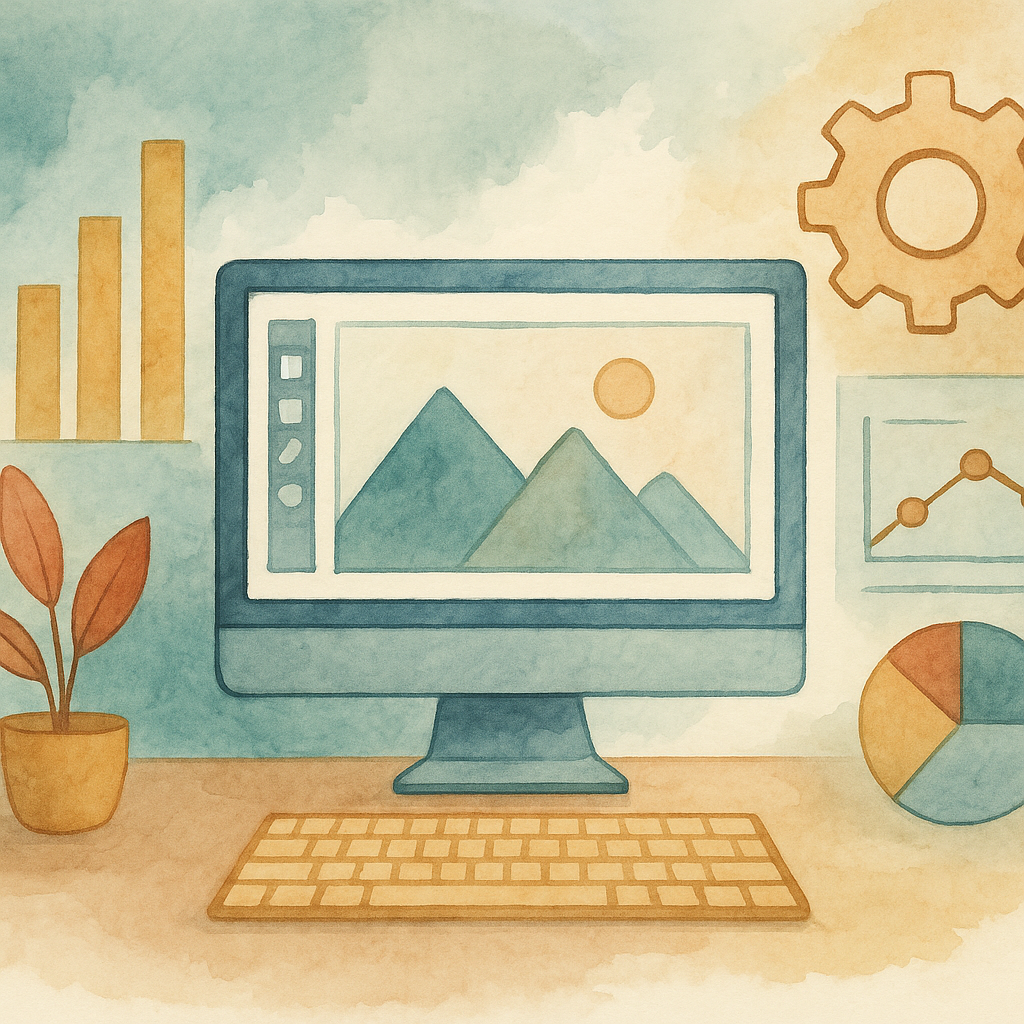
Image Generators
The rise of image generators has marked a watershed moment in the intersection of technology and creativity, reshaping industries ranging from advertising to entertainment. These powerful tools, leveraging artificial intelligence (AI) and machine learning algorithms, are revolutionizing how images are created, edited, and personalized. With forecasts estimating a $1.2 billion market size for AI-generated content by 2028, an analysis of current trends reveals not only the trajectory of these technologies but also their profound implications across various sectors.
Industry Overview
Image generators utilize sophisticated neural networks to process vast datasets and produce high-quality visuals with minimal human input. Companies like OpenAI with DALL-E, Stability AI with Stable Diffusion, and Midjourney have led this charge, each providing unique features that cater to different user needs. In essence, these platforms empower users—from seasoned designers to amateur hobbyists—to create stunning visuals effortlessly.
According to a report by Gartner, approximately 50% of businesses will employ some form of generated imagery by 2025. This statistic highlights a crucial shift towards integration of AI technologies within creative workflows. Marketers are particularly drawn to these tools for their ability to deliver customized visuals at scale, allowing brands to resonate more deeply with their audience through tailored visual narratives.
Key Trends Driving Adoption
The surge in popularity for image generators can be attributed to several key trends:
- Increased Demand for Personalized Content: As consumers become inundated with generic marketing messages, there is a growing demand for personalized experiences. Image generators allow businesses to create bespoke visuals that cater specifically to their target demographics.
- Cost Efficiency: Traditional image creation processes often involve significant costs related to hiring professional photographers or graphic designers. Image generators significantly reduce expenses while maintaining high-quality output.
- User-Friendly Interfaces: Many image generation platforms prioritize ease of use. This accessibility democratizes graphic design; even those without technical skills can produce professional-grade images.
- Sustainability Considerations: With environmental concerns at an all-time high, digital image generation minimizes waste associated with physical photography shoots while allowing companies to adopt more sustainable practices.
The Impact on Creative Industries
The impact of image generators extends well beyond marketing departments into artistic domains such as film production, video gaming, and fine art. For instance:
- Film Production: Directors can rapidly visualize scenes and character designs during pre-production stages using AI-generated imagery. This capability not only enhances creative brainstorming but accelerates project timelines.
- Video Gaming: Game developers increasingly rely on AI tools for concept art creation and environmental modeling. These images enhance the immersive experience while enabling faster iteration cycles within development teams.
- Fine Art: Contemporary artists are embracing generative art as a medium in its own right. The fusion of traditional artistic vision with algorithmic processes fosters new forms of expression that challenge conventional aesthetics.
A recent study by Adobe Creative Cloud reported that over 60% of creatives believe generative tools will redefine artistry in the next five years. This paradigm shift poses questions about authorship and originality—challenges that the industry must address moving forward.
The Ethical Landscape
The rapid integration of image generators has raised ethical considerations surrounding intellectual property rights and cultural representation. Questions loom over who owns an image generated by an AI when numerous datasets influence its creation—does it belong solely to the creator who inputs prompts? Or do the original sources carry certain rights? Legal frameworks are yet to catch up with evolving technologies; thus far, tokenized rights management systems are being explored as potential solutions.
Cultural appropriation further complicates this landscape; many critics voice concerns regarding how these systems draw upon vast datasets that may incorporate stigmatized or underrepresented cultures without proper attribution or respect. Addressing these issues will be paramount as adoption grows across creative sectors.
A Look Ahead: Future Projections
The future trajectory of image generating technologies suggests continued evolution driven by improvements in both software capabilities and societal perceptions toward AI-generated content:
- Enhanced Realism: As algorithms advance, expect even more photorealistic outcomes from generators—blurring lines between reality and rendered imagery.
- Diverse Applications Beyond Visuals: Expanding capabilities may soon include dynamic media outputs like video generation or interactive storytelling elements bolstered by AI-driven visuals.
- Evolving User Interaction Models:A move toward collaborative interfaces merging human creativity with machine efficiency will redefine how we conceive creative endeavors—enabling synergistic workflows instead of adversarial roles between artist and tool.
Your FAQs Answered:
Q: Are image generators replacing professional artists?
A: Not entirely; rather than replace them, these tools serve as supplements that can enhance productivity or inspire creativity among professionals who choose to leverage them effectively in their workflows.
Q: How can businesses ensure ethical use?
A: Companies should establish clear guidelines around attribution protocols while prioritizing diversity within training data sets used for developing generative models—ensuring respect towards different cultures represented therein is maintained throughout any applications they deploy!
Q: What skills should creatives develop alongside emerging tech?
A: Familiarity with data literacy will become increasingly valuable alongside traditional artistic competencies—allowing creators not just insight into what works best according technical specifications but also engaging thoughtfully concerning how such advancements shape viewer interaction overall!
The growth narrative surrounding image generators underscores a critical transformation taking place across industries—a convergence where technology meets creativity at unprecedented scales! As we navigate through this brave new world together—as creators balancing innovative tools against ethical boundaries—it’s essential we remain attuned both advancements resulting impacts within our society writ large!
Recent Posts

Maximum Potential
Get the full experience with Pro Plan
INFORMATION