June 4, 2026
Game-Changing Breakthrough in Image Generators: What It Means for Creatives
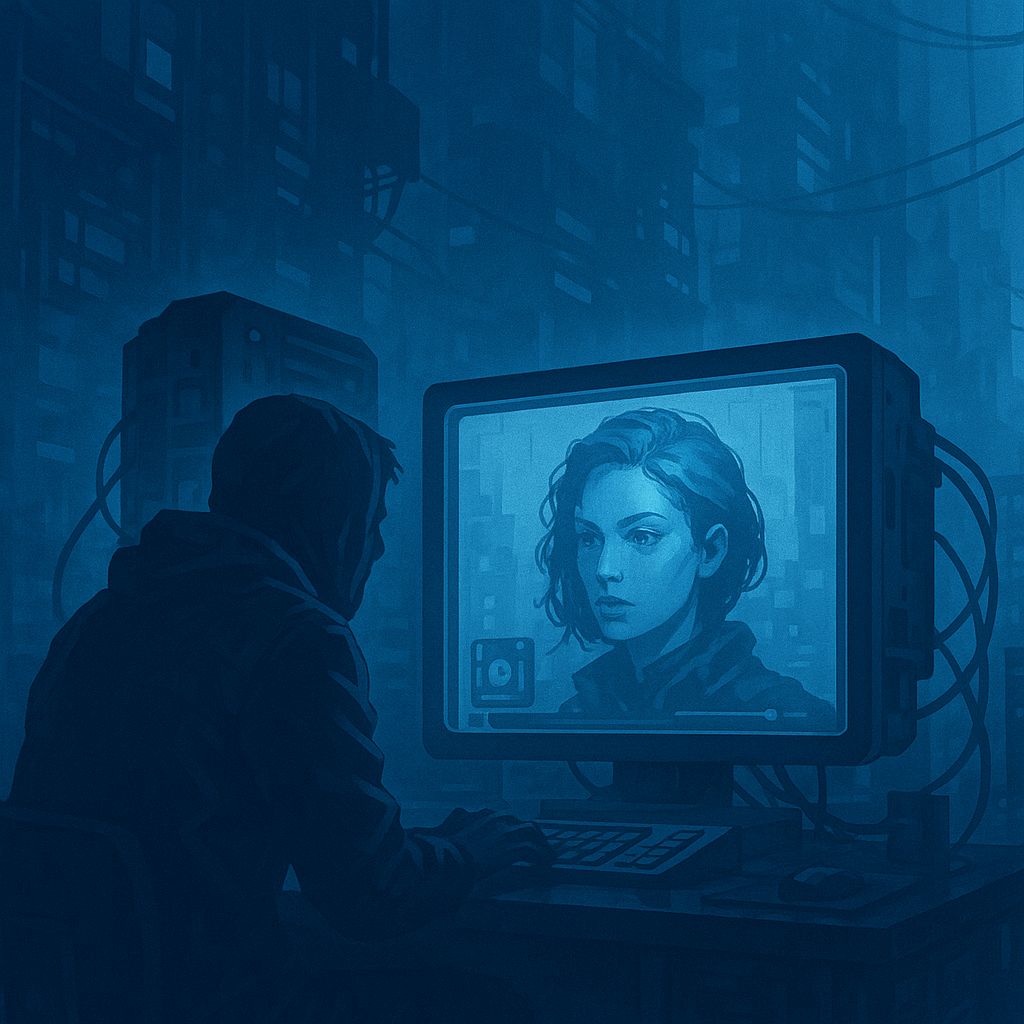
Image Generators
In a groundbreaking announcement that has sent ripples through the tech community and creative industries alike, a leading artificial intelligence research lab unveiled its latest innovation in image generation technology. This new advancement, touted as a transformative leap forward, promises to redefine how images are created, manipulated, and utilized across various sectors.
The breakthrough comes from advances in deep learning algorithms, particularly those related to Generative Adversarial Networks (GANs) and diffusion models. These technologies push the boundaries of previous capabilities, allowing for the generation of high-quality images that are indistinguishable from reality or from hand-created art. The implications of this development stretch far beyond mere novelty; they encompass significant shifts in fields ranging from entertainment and advertising to education and content creation.
What Makes This Technology Different?
While image generators have existed for years, the newly announced system boasts several key improvements that set it apart:
- Realism: The fidelity of generated images has dramatically increased. Users can now create hyper-realistic images or stylized artwork at will without extensive training in artistic techniques.
- User-friendliness: Operating on a more intuitive interface than previous iterations, this latest model allows users—regardless of their technical background—to generate stunning visuals with minimal effort.
- Diversity of Styles: The new generator incorporates an expanded library of artistic styles and genres, allowing users to blend techniques seamlessly. Whether creating digital paintings with impressionist influences or photo-realistic scenes inspired by nature photography, the possibilities are limitless.
- Customization: Users can now fine-tune aspects of their creations extensively. Want to change the color palette or adjust the lighting? The new technology enables these adjustments in real-time, making iterative design processes faster and more accessible.
Impact on Various Industries
The implications of enhanced image-generating technology are profound across multiple sectors:
1. Advertising and Marketing
The advertising world is arguably one of the most affected by this breakthrough. Brands can generate tailored visuals for campaigns within minutes rather than weeks or months spent commissioning photographers or graphic designers. This not only reduces costs but also allows for constant experimentation with different visuals to find what resonates best with target audiences.
2. Entertainment
The film industry stands on the precipice of immense change as well. Concept artists can leverage these tools to create stunning pre-visualizations for film projects quickly. Moreover, video game developers may utilize these generators to produce intricate backgrounds and character designs without traditional limitations imposed by artistic resources.
3. Education
In educational contexts, teachers can produce custom visuals tailored specifically to their lessons—be it historical imagery for social studies classes or illustrative diagrams for science courses—enhancing engagement among students through bespoke content that aids understanding.
4. E-commerce
E-commerce platforms could see a revolution in product presentation as merchants are able to generate lifestyle images that showcase products in a variety of settings without needing actual photoshoots. This flexibility could lead to higher conversion rates as customers gain better contextual understanding through diverse visual narratives.
An Ethical Perspective
No monumental technological change comes without its challenges and ethical considerations. As image generation becomes increasingly sophisticated, concerns about misinformation rise significantly. Deepfakes—realistic representations created using AI—pose threats not only to personal privacy but also undermine trust in media sources as distinguishing between genuine photographs and artificially generated images becomes more challenging.
This raises critical questions regarding copyright issues: Who owns an image generated by AI? As creativity increasingly merges with technology, operational frameworks governing authorship need urgent re-evaluation to ensure fair representation and compensation within creative industries.
A Q&A with Experts
Q: What do you see as the most exciting potential application for this technology?
A: From an artist's perspective, having access to powerful generative tools unleashes creative potential previously limited by skill level or availability of resources—even if it's just for brainstorming ideas!
Q: Will this replace traditional artists?
A: No! While AI can assist creativity immensely, human artists bring unique perspectives and emotional depth that machines cannot replicate—they inspire us all!
Q: How should we approach ethical considerations surrounding AI-generated imagery?
A: By developing clear guidelines around usage rights while promoting open conversations about authenticity versus automation within visual storytelling—we must tread carefully yet innovatively into these new realms!
The Road Ahead
The recent announcement marks merely the beginning of what promises to be an exhilarating journey into advanced image-generation technologies. As research continues pushing forward boundaries further still—fueling innovation—it invites both cautionary reflection alongside enthusiastic embrace from creators eager to explore uncharted territories influenced by artificial intelligence.
This pivotal moment signals an era where imagination meets machine learning—a pairing that holds potential not just for aesthetic creation but deeper interactions between technology’s role within society at large—a dialogue worth continuing as we shape our collective future amid rapid advancements!
Recent Posts

Maximum Potential
Get the full experience with Pro Plan
INFORMATION