


June 12, 2026
Industry Leaders Share Insights on the Evolution and Future of Image Generators
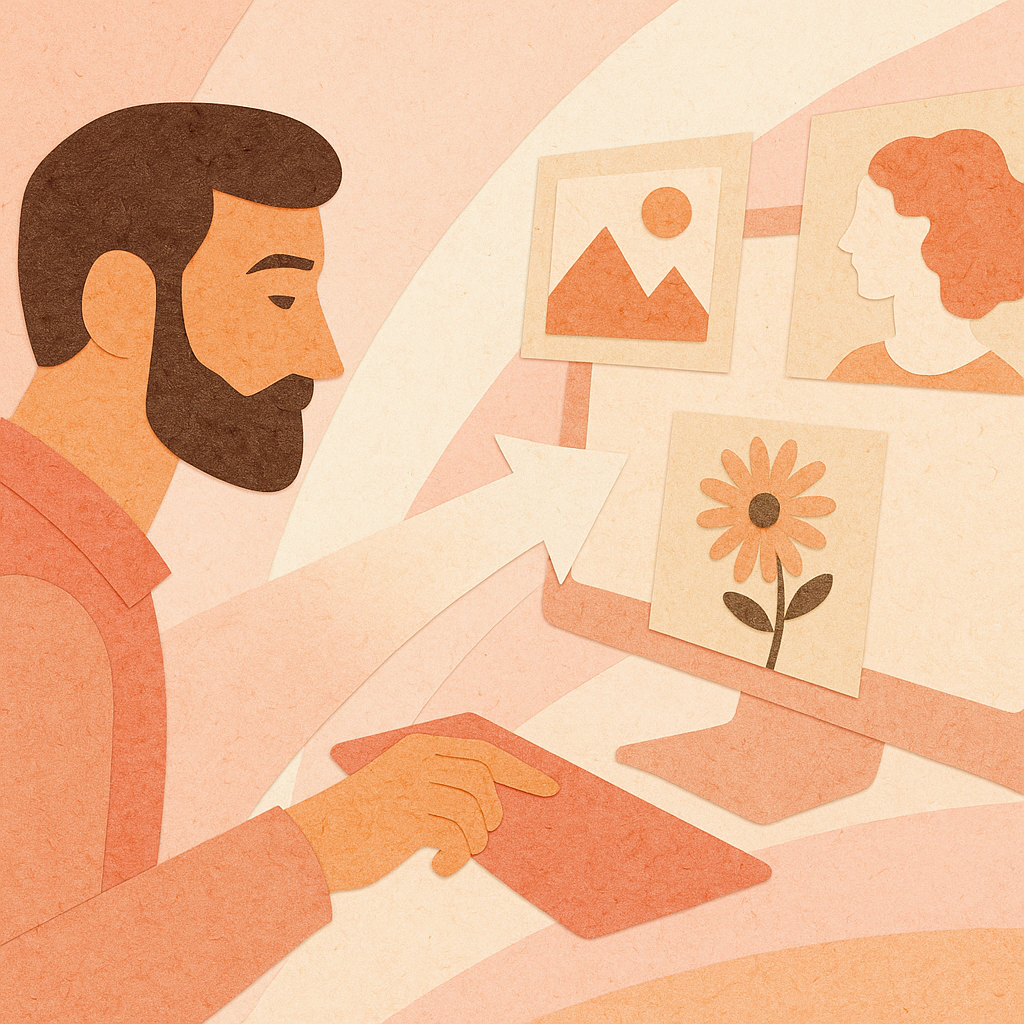
Image Generators
In recent years, the emergence of image generators powered by artificial intelligence has transformed various sectors, from art and design to marketing and entertainment. To delve deeper into this phenomenon, we interviewed several industry experts who shared their insights on the capabilities, implications, and future of AI-generated imagery.
The Technology Behind Image Generators
When asked about the technology that drives image generators, Dr. Emily Tran, a computer scientist specializing in AI and machine learning, explained: “At the core of these systems are generative adversarial networks (GANs) and diffusion models. GANs pit two neural networks against each other—one generates images while the other evaluates them. Over time, this competition results in increasingly realistic outputs.” She added, “Diffusion models work differently by gradually modifying random noise into coherent images through a series of steps.”
According to Dr. Tran, advancements in computing power and access to massive datasets have significantly improved these technologies. “We’re now able to train models on millions of images from diverse sources,” she noted, “which enhances their ability to understand styles, compositions, and subjects across various contexts.”
Applications Across Industries
Image generators have found applications across numerous industries. We spoke with Mark Chen, a digital marketing strategist at a leading advertising agency. “In marketing,” he noted, “the ability to quickly produce high-quality visual content is invaluable. Campaigns can be personalized at scale using AI-generated images tailored to different audience segments.”
Chen provided an example: “Imagine an online store that sells clothing; it can generate lifestyle images featuring its products on various models that reflect its diverse customer base—instantly creating a relatable shopping experience.” He emphasized that these tools not only streamline production but also reduce costs associated with traditional photography.
The impact is also profound in the world of art and design. Renowned artist Leah Martinez shared her perspective: “AI allows artists like me to experiment with styles we might never have considered otherwise. It serves as both a collaborator and a source of inspiration.” Martinez uses image generators for ideation phases in her projects: “I input certain keywords related to my vision and let the generator create variations I can build upon or reinterpret.”
The Ethical Considerations
Despite their benefits, image generators raise important ethical questions. Dr. Sarah Elman, an ethicist focused on technology's impact on society, voiced her concerns: “One major issue is copyright infringement. Since these systems learn from existing artwork and photographs without explicit consent from creators or rights holders, this can lead to significant legal challenges.”
She elaborated further: “Additionally, there’s the risk of deepfakes—where AI-generated images are used maliciously for misinformation or fraud. Ensuring accountability for how these technologies are used is critical.” Elman advocates for developing clear guidelines on ethical usage within industries that employ AI-generated content.
The Future Outlook
The future of image generation appears promising yet rife with complexities. According to Dr. Tran: “As technology continues progressing—think higher resolutions or more sophisticated understandings of context—we expect even more robust applications across fields like virtual reality or augmented reality.” She emphasized that as creativity intertwines with AI capability, new forms of expression will emerge.
Mark Chen highlighted another trend: “We’re likely going to see more collaborative tools where designers can interactively work alongside AI during creation processes rather than simply generating static outputs.” He believes this could lead to enhanced creativity and innovation within teams.
Leah Martinez remains cautiously optimistic about integrating AI into artistic practices: “While I think it’s essential not to lose authenticity in human expression—using technology wisely can extend our creative boundaries infinitely.” She envisions a future where artists leverage AI while still imbuing their work with personal touchpoints.
A Quick Q&A with Industry Experts
What are your thoughts on user accessibility regarding image generators?
Dr. Emily Tran: "Accessibility has greatly improved! Many platforms now allow users with no technical background to generate images simply by entering text prompts."
Do you foresee regulations emerging around the use of AI-generated content?
Dr. Sarah Elman: "Absolutely! As awareness grows regarding both ethical concerns and potential misuse—policymakers will need to step up regulatory frameworks."
How do you see collaboration between humans and machines evolving?
Mark Chen: "As tools get better at understanding human intent—we'll witness more fluid partnerships where creators guide AIs rather than only giving commands."
Your advice for newcomers wanting to explore image generation?
Leah Martinez: "Start experimenting! Don’t be afraid; use it as a springboard for your own artistic voice instead of fearing it will replace you."
The conversation surrounding image generators encapsulates both excitement for innovative possibilities as well as caution against unregulated growth. As they continue evolving at rapid pace—the dialogue between technology enthusiasts and skeptics will undoubtedly influence how society integrates these remarkable tools into everyday life.
Recent Posts
Unearthing Hidden Gems: Underappreciated Tools in Neural Network Work and AI Mod...
June 12, 2026
Unlocking Real-World Potential: How Neural Networks Transform Industries Today
June 12, 2026
Revolutionary Image Generator Breakthrough: What It Means for Future Creativity
June 12, 2026

Maximum Potential
Get the full experience with Pro Plan
INFORMATION

AI Model Library
- Image
- Video
- Chat
- Voice
- All
- KLING
- SEEDANCE
- WAN
- VEO
- PIXVERSE
- LTX
- GROK
- STT
- NANO BANANA
- VEED
- TTS
- GPT IMAGE
- CLIPSY
- HIDREAM
- SEEDREAM
- SORA
- RUNWAY
- LUMA
- HAILUO
- MINIMAX
- HUNYUAN
- IMAGINE ART
- QWEN IMAGE
- GROK IMAGINE
- GTP
- OPENAI
- MISTRAL
- IDEOGRAM
- IMAGEN
- FLUX
- SD
- UNCENSORED
- TOPAZ
- PIKA
- VIDU
- LUCY
- CLAUDE
- ANTHROPIC
- DEEPSEEK
- XIAOMI
- QWEN
- LLAMA
- META
- HAPPY HORSE
- ELEVENLABS
- xAI
- LYRIA
No favorites yet
Click the star icon on any model to add it to your favorites.
 MiniMax Music 2.6
 GPT Image 2
 Kling 3.0 Pro
 Nano Banana Pro
 Kling 3.0 Standard
 Nano Banana 2
 Pixverse v5.6
 Pixverse v5.5
 Hunyuan Video V1.5
 WAN 2.6
 LTX-2 Distilled
 GPT-Image-1.5
 Qwen Image 2 Pro
 ImagineArt 1.5 Pro
 Qwen Image
 Grok Imagine
 Chat GPT
 Clipsy
 VEO 3.1 Standart
 VEO 3.1 Fast
 VEO 3.1 Reference
 VEO 3.1 Lite
 Mistral
 Clipsy Image
 Ideogram Remix
 Imagen 4S
 HiDream Full
 FLUX
FLUX
 Stable Diffusion Large
 Z-Image Uncensored
 Seedream 4.5
 Nano Banana
 Seedream 5 Lite
 WAN 2.7
 WAN 2.7 Pro
 Seedance 1.0 Lite
 Seedance 1.0 Pro
 SORA2
SORA2
 SORA2 Pro
 Runway Gen4 T
 Runway Gen4 Aleph
 Luma Ray 2
 Kling 2.1 Master
 Kling 2.5 Turbo
 Kling 2.6 PRO
 Kling o1
 Topaz Upscale
 Hailuo-02 Standart
 Hailuo-02 Pro
 Veed Background Removal
 Luma Reframe
 Veed lipsync
 Pika
Pika
 Alibaba Wan 2.5
 Clipsy Video
 Vidu Q3
 Grok Imagine
 LTX-2
LTX-2
Lucy
 Kling 2.6 Motion
 Grok Imagine Extend
 LTX-2.3 Extend
 LTX-2.3 Fast
 Pixverse v6
 Pixverse v6 Extend
 Seedance 2.0
 Seedance 2.0 Omni
 Seedance 2.0 Fast Omni
 Seedance 2.0 Fast
 Claude
 Grok
Grok
 DeepSeek
 Xiaomi
 Qwen
Qwen
 Llama (Meta)
 Happy Horse
 Kling v3 4k
 Kling o3 4k
 Kling o3 Reference 4k
 HiDream O1 Image
 Veo 3.1 Fast Reference
 Veed Subtitles
Speech to Text Turbo
 Scribe-V2
 Clipsy Audio
 xAI
xAI
 Grok Imagine 1.5
 Lyria 3
Warning
You will no longer be able to recover this file
No images found.
You have been awarded tokens
We thank you for staying with us, so we are giving you:
Day 1
Day 2
Day 3
Day 4
Day 5
Day 6
Promo code required
Enter your promo code to see payment options
Code applied
Make payment via

Enter Promocode Invalid promo code
Your promo code has been applied
We value your privacy
We use cookies to enhance your browsing experience, analyze site traffic, and personalize content. By clicking "Accept All", you consent to our use of cookies. Learn more
Adult Content Warning
This model may generate content intended for adult audiences only. By continuing, you confirm that you are at least 18 years old and consent to viewing such content.
