June 12, 2026
Revolutionary Image Generator Breakthrough: What It Means for Future Creativity
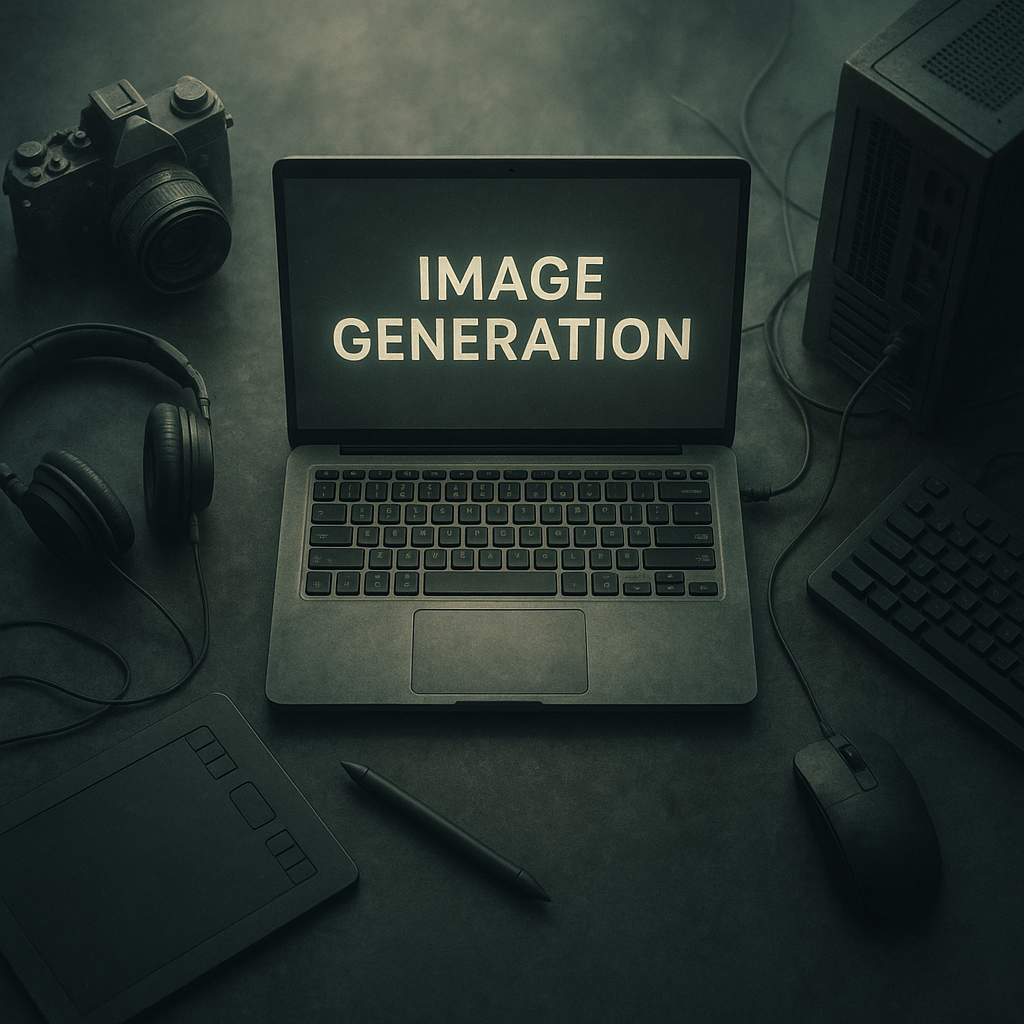
Image Generators
In a groundbreaking announcement that is set to reshape the landscape of digital art and design, leading tech companies have unveiled a series of advanced image generators powered by artificial intelligence. These innovative tools promise not only to enhance creative possibilities but also to democratize art creation for people around the globe. This development highlights the rapid evolution in AI technology and its implications for various industries, including marketing, entertainment, and education.
The essence of these new image generators lies in their ability to create stunning visuals from simple textual descriptions. By utilizing deep learning algorithms and extensive image datasets, they can produce artwork that rivals human creativity. This shift raises crucial questions about originality, copyright issues, and the future role of traditional artists in an increasingly automated world.
What Are Image Generators?
Image generators are sophisticated software applications that use machine learning techniques to turn written prompts into detailed images. At their core, these systems analyze vast amounts of visual data—photos, illustrations, paintings—and learn patterns and styles that they can reproduce or recombine in novel ways. The latest iteration incorporates neural networks like GANs (Generative Adversarial Networks), which significantly enhances the quality and variation of generated images.
The recent announcement from several tech giants showcased enhancements in features such as higher resolution outputs, more nuanced interpretations of user prompts, and even real-time collaboration capabilities among users across different locations. Users can now input complex phrases or themes and receive stunning visuals almost instantaneously.
Key Features of the New Image Generators
- Natural Language Processing: The latest algorithms are adept at understanding context and nuance in language. Users can create specific scenes with emotional undertones simply by describing them.
- Customization Options: Beyond generating standard images from text prompts, users can now refine results with style options or color palettes to achieve desired effects.
- Interactive Interface: Enhanced UI allows users to modify elements within generated images directly through intuitive controls without needing technical skills.
- Collaboration Tools: Artists can now work together on projects asynchronously using shared dashboards where they can comment on variations in real-time.
The Implications for Various Industries
The breakthroughs in image generation technology herald significant changes across many sectors:
1. Marketing and Advertising
The marketing industry stands to gain immensely from these tools. Advertisers can quickly generate multiple concepts for campaigns tailored to different demographics without needing extensive resources or time-consuming design processes. Moreover, personalized ads could be created on-the-fly based on individual consumer behavior data.
2. Entertainment
The film and gaming industries may also experience a revolution as directors and game developers leverage image generators for concept art or storyboarding. By allowing teams to visualize scenes before production begins, decisions can be made faster and at lower costs while stimulating a more collaborative environment for creativity.
3. Education
In educational settings, teachers could use these AI-generated images as visual aids for enhancing lesson plans or engaging students creatively during class projects. As accessibility increases across platforms, students with varying skill levels will find it easier to express themselves artistically.
Courageous Artistic Expression vs. Copyright Controversies
The rise of AI-generated imagery brings with it complex discussions surrounding artistic integrity and copyright laws. Artists worry about losing their livelihoods as machines become capable of producing high-quality artworks essentially on demand. Concerns regarding ownership arise when an image generator creates works based on the styles of famous artists or widely recognized pieces found in its training data.
A critical question emerges: who owns an artwork created by an AI? Is it the user who provided the prompt? The corporation behind the algorithm? Or does it belong to no one at all due to its generative nature? To address these issues proactively, policymakers must begin discussing new frameworks that balance innovation while protecting creators' rights effectively.
A Q&A with Industry Experts
Q: How do you foresee artists adapting to this emerging technology?
A: Many artists will embrace these tools as part of their workflow rather than seeing them as threats. They’ll likely use AI generators for inspiration or as starting points while continuing refining works with human touchpoints that machines cannot replicate—emotionally resonant storytelling being a key area where human artistry excels.
Q: Will there be a risk of over-saturation in visual content?
A: It’s certainly possible; however, what we may see is a shift towards curating unique experiences rather than competing purely on volume alone since quality will still reign supreme regardless of how much content exists online.
Q: Are there ethical concerns we should prioritize moving forward?
A: Absolutely! Transparency about how models were trained—alongside ensuring respect for existing copyrights—is imperative going forward so that creators feel confident regarding attribution when using generated works within both personal portfolios or commercial enterprises alike.
The Future Landscape
The announcement regarding advanced image generators marks not just an evolution but a potential revolution within creative fields worldwide. As technology continues advancing rapidly alongside public interest surging toward diverse applications across multiple sectors—from advertising campaigns crafted overnight by machines capable of interpreting human thoughts—to burgeoning artist communities exploring newfound avenues presented before them—the implications are vast indeed!
This transformative moment compels stakeholders across industries—be they marketers hoping leap into uncharted territory; educators eager connect meaningfully their students’ imaginations; perhaps even seasoned professionals grappling uncertain futures—to engage actively ongoing conversations shaping regulations governing art amid waves disruption ushered forth by artificial intelligence innovations like never seen before!
Recent Posts
Unearthing Hidden Gems: Underappreciated Tools in Neural Network Work and AI Mod...
June 12, 2026
Unlocking Real-World Potential: How Neural Networks Transform Industries Today
June 12, 2026
Industry Leaders Share Insights on the Evolution and Future of Image Generators
June 12, 2026
Maximum Potential
Get the full experience with Pro Plan
INFORMATION