лютий 20, 2026
Revolutionising Creativity: How Image Generators Are Transforming Art in the UK
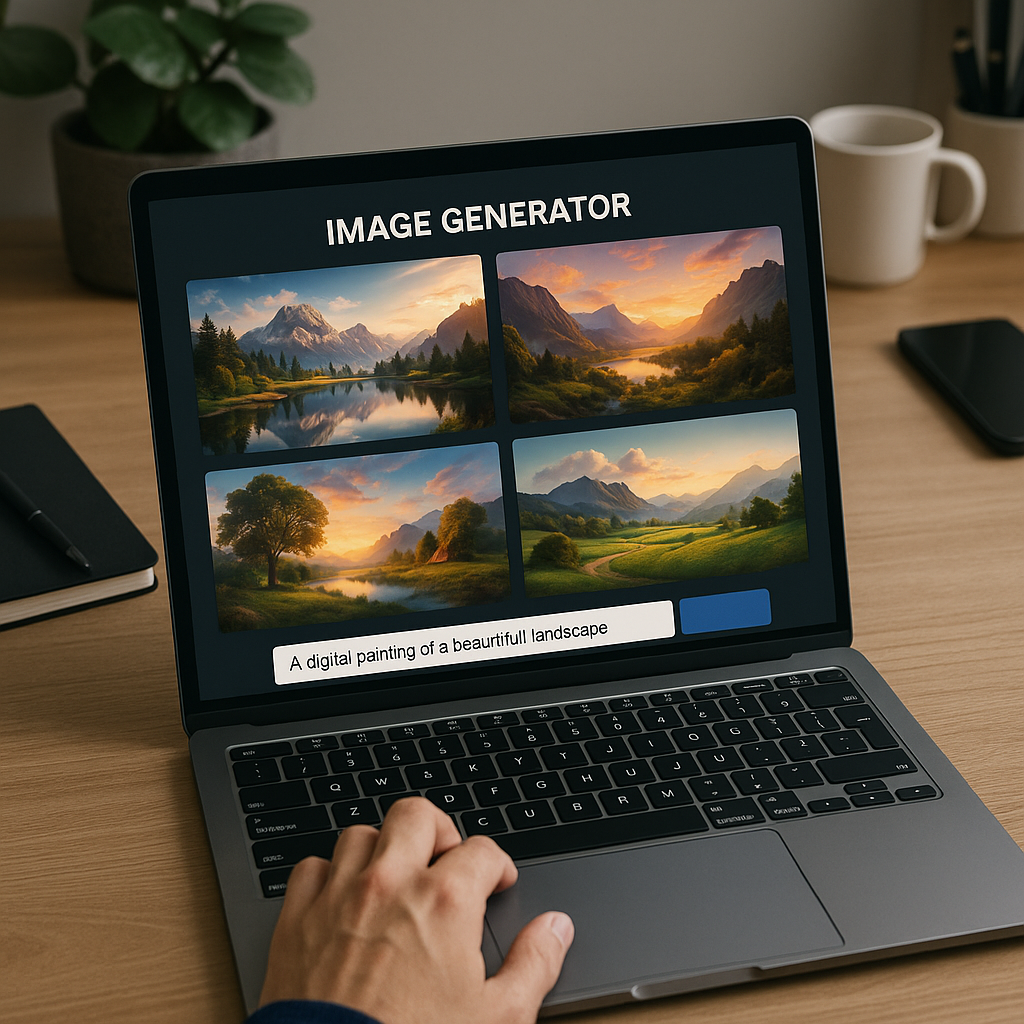
Image Generators
The advent of image generators has revolutionised the way we create and perceive visual content, marking a significant shift in both artistic expression and technological advancement. These sophisticated tools, powered by artificial intelligence, are capable of producing stunning images from text prompts, pushing the boundaries of creativity and opening new avenues across various industries.
At the core of this transformation is a technology known as Generative Adversarial Networks (GANs). This method involves two neural networks—the generator and the discriminator—working in tandem. The generator creates images based on input data, while the discriminator evaluates the authenticity of these images against real ones. This back-and-forth process enables the generator to produce increasingly realistic images, blurring the lines between human-made and machine-generated art.
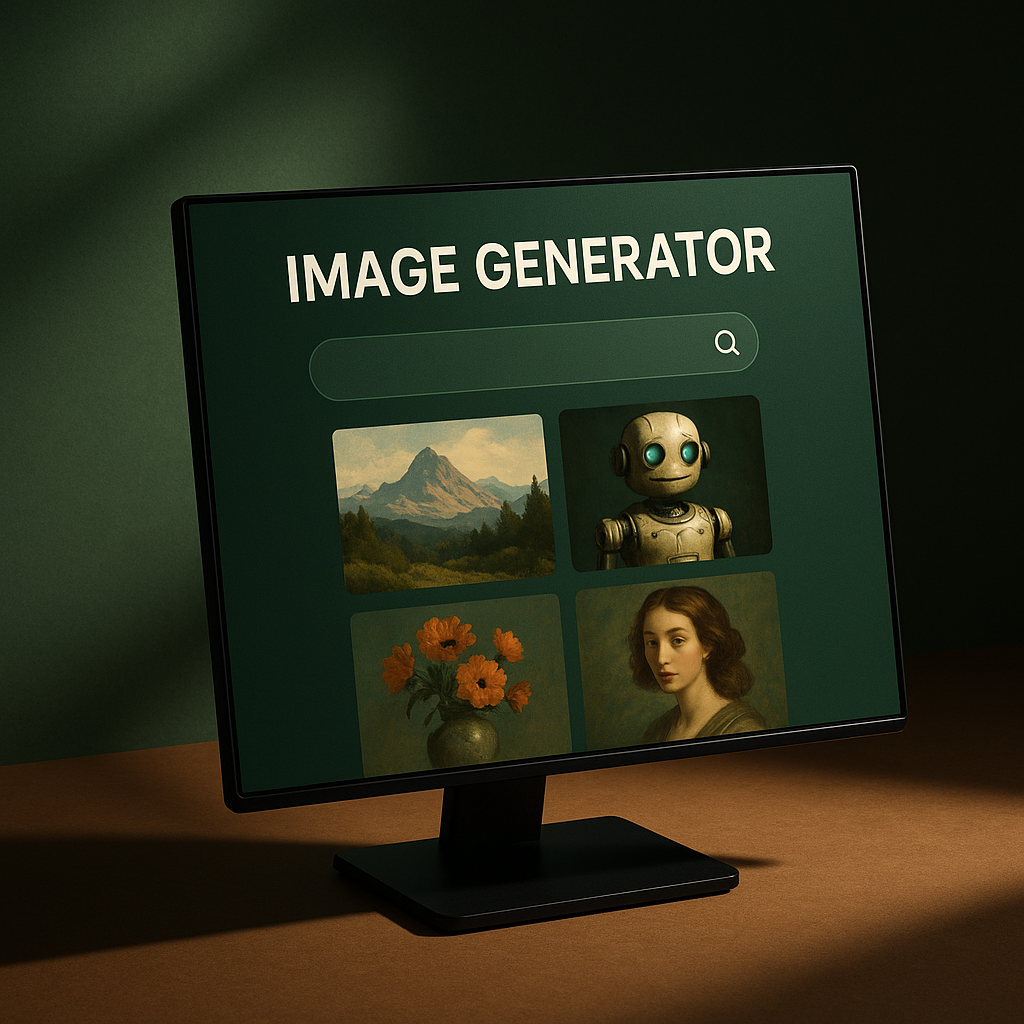
Image generators have gained popularity for their ability to create high-quality visuals with minimal user input. Tools such as DALL-E, Midjourney, and Stable Diffusion have captured the attention of artists, marketers, and hobbyists alike, allowing them to transform simple text descriptions into intricate artworks within moments. For instance, a user might input a phrase like "a serene landscape at sunset with mountains," and within seconds, the image generator will produce a visually captivating scene that aligns closely with the description.
One of the most significant impacts of image generators is their potential to democratise art creation. Traditionally, artistic skills such as painting, photography, or graphic design required years of practice and training. However, with image generators, anyone with a creative idea can produce striking visuals, regardless of their technical expertise. This has led to a surge in content creation across social media platforms, where users are eager to share their unique outputs, often resulting in viral trends driven by the imaginative possibilities offered by these tools.
Moreover, the application of image generators extends beyond personal use. In the realm of marketing and advertising, companies are utilising these technologies to streamline their creative processes. Brands can generate customised images for campaigns, allowing for rapid prototyping of visual content. This not only saves time and resources but also enables businesses to tailor their marketing efforts more effectively to resonate with their target audiences. For example, a fashion retailer can create mock-ups of new clothing lines in various settings, experimenting with different styles and themes without needing to stage elaborate photoshoots.
In addition to marketing, the entertainment industry is also harnessing the power of image generators. Video game developers, for instance, are using these tools to create expansive and visually rich environments. By generating complex textures and landscapes, developers can enhance the immersive experience of their games while reducing the workload on artists. Similarly, film studios are exploring the use of AI-generated imagery for storyboarding and concept art, allowing for rapid visualisation of ideas during the pre-production phase.
Despite the numerous benefits, the rise of image generators is not without controversy. Ethical concerns have emerged regarding copyright issues and the potential misuse of generated content. Since these tools often learn from vast datasets of existing images, questions arise about the ownership of the final outputs. If an image generator creates a piece that closely resembles an existing artwork, who holds the rights? This dilemma has sparked debates within the art community, prompting calls for clearer guidelines and regulations surrounding the use of AI in creative industries.
Furthermore, there is the risk of generating harmful or misleading content. Image generators can produce realistic images that may not accurately represent reality, leading to the spread of misinformation. As these technologies become increasingly sophisticated, the potential for misuse escalates, necessitating a responsible approach to their deployment. Developers and users alike are called to consider the ethical implications of their creations, ensuring that they contribute positively to society rather than perpetuating harm.
In response to these challenges, some organisations are advocating for responsible AI practices. Initiatives aimed at promoting transparency and accountability in AI development are gaining traction, with a focus on creating ethical frameworks that guide the use of image generators. This includes establishing protocols for content verification and ensuring that artists and creators receive appropriate credit for their work, regardless of whether it is generated by a human or a machine.
As image generators continue to evolve, they are likely to play an increasingly integral role in various aspects of life. Their ability to foster creativity and innovation presents exciting opportunities, but it also demands a careful consideration of the implications that accompany such technologies. The balance between harnessing the creative potential of AI and protecting the rights of individuals is crucial as society navigates this new frontier.
Looking ahead, the future of image generators appears bright. With advancements in AI and machine learning, we can expect even more sophisticated tools that not only produce high-quality images but also understand context, emotions, and nuances in human creativity. This evolution may lead to collaborative efforts where artists and AI work side by side, each enhancing the other's capabilities and contributing to a richer artistic landscape.
In conclusion, image generators represent a significant milestone in the intersection of technology and creativity. They empower users to unleash their imagination, redefine artistic boundaries, and transform industries. However, with this power comes responsibility. As we embrace the possibilities offered by AI-generated imagery, it is essential to engage in ongoing discussions about ethics, copyright, and the future of creativity in a rapidly changing digital world. The journey ahead is filled with potential, challenges, and the promise of innovation, urging us to adapt and evolve in harmony with these technological advancements.
Recent Posts
Head-to-Head: Comparing Top AI Models in Работа с Нейросетями and Their Impact
червень 16, 2026
Debunking Myths: The Realities of Работа с Нейросетями and AI Models Today
червень 16, 2026
Unlocking Creativity: A Simple Guide to Using Image Generators for Beginners
червень 16, 2026
Maximum Potential
Отримайте повний досвід із планом Pro
ІНФОРМАЦІЯ