лютий 13, 2026
Revolutionising Creativity: How Image Generators are Transforming Digital Art
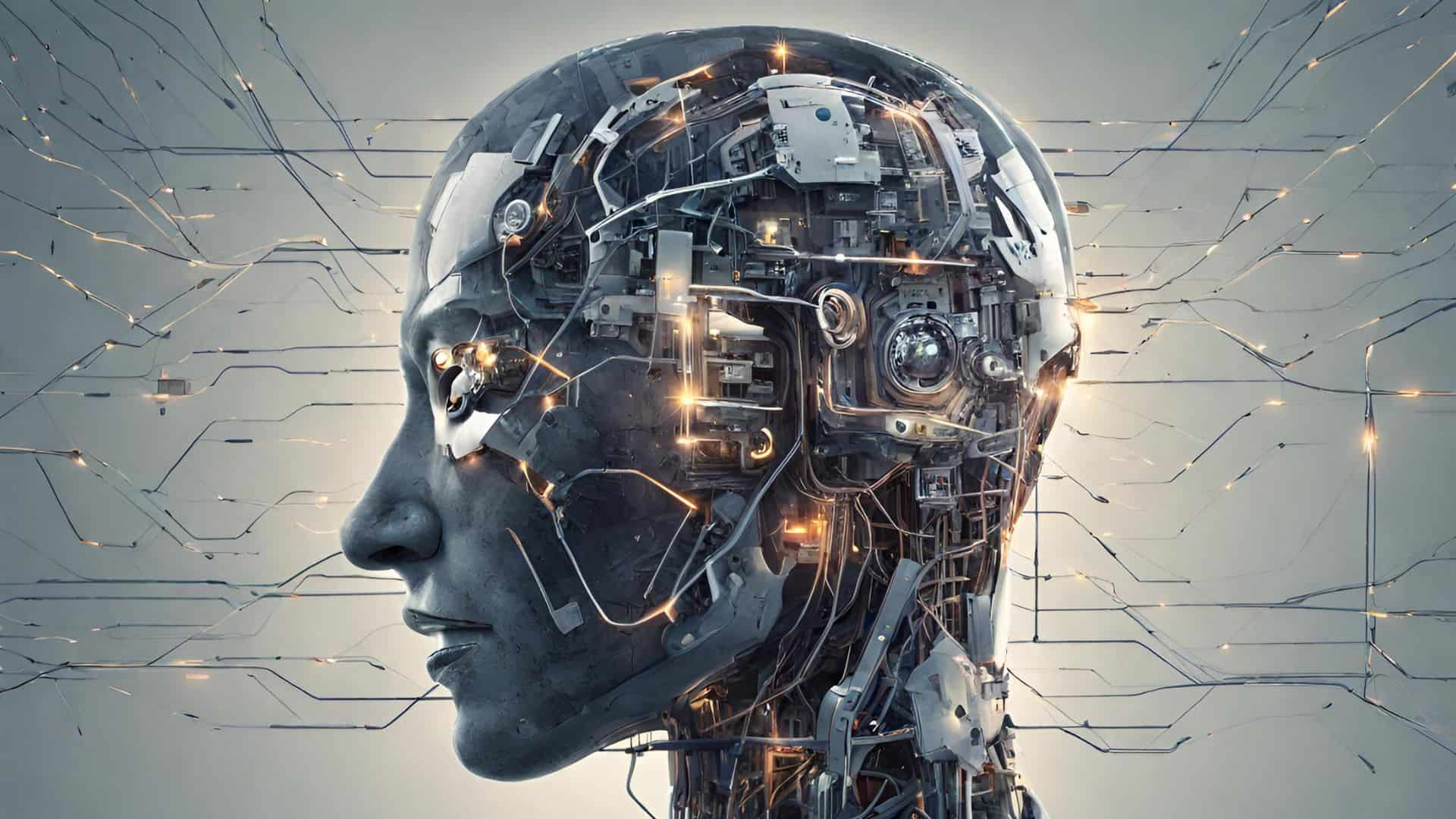
Image Generators
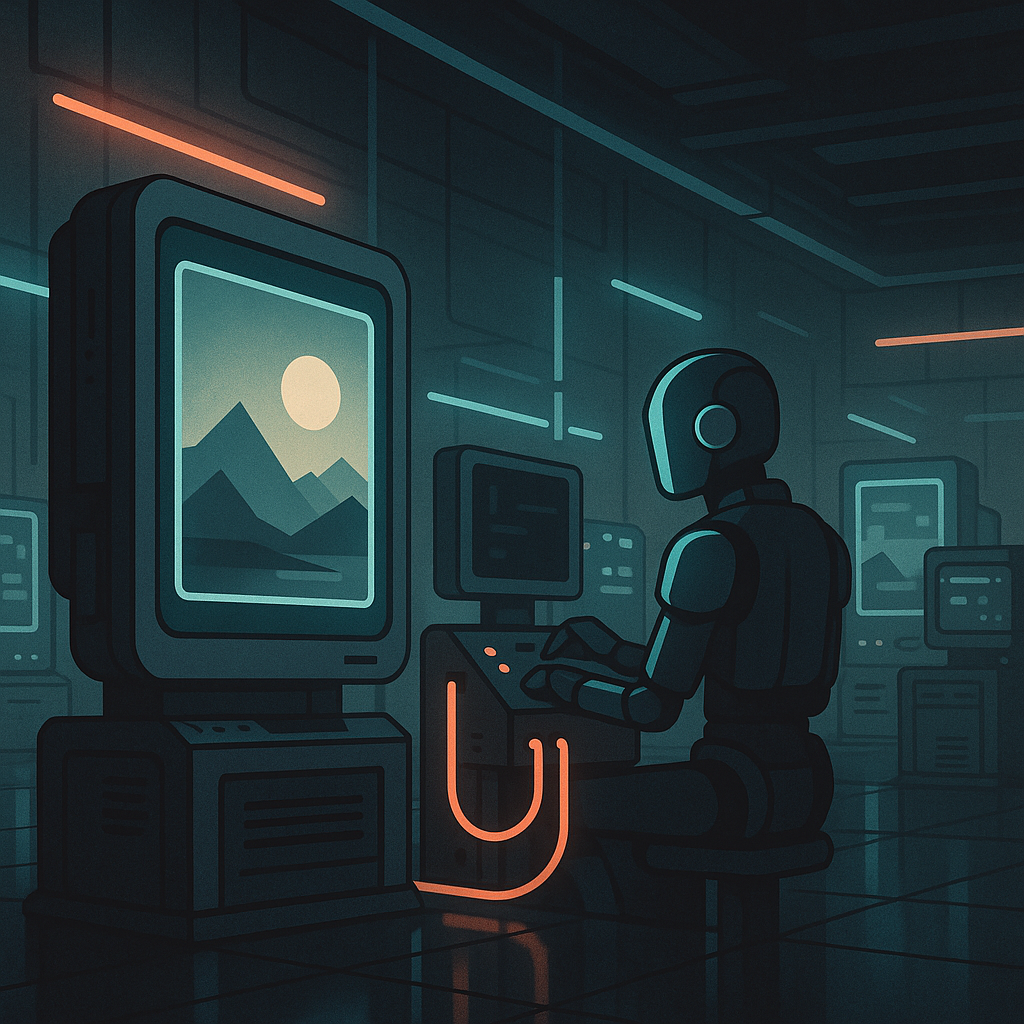
In recent years, image generators have surged in popularity, revolutionising the way we create and interact with visual content. These sophisticated tools harness the power of artificial intelligence (AI) and deep learning to produce stunning, high-quality images from textual descriptions or prompts. As technology continues to evolve, image generators are finding applications across various sectors, from art and design to marketing and education.
At the core of image generation technology is a type of AI known as generative adversarial networks (GANs). GANs consist of two neural networks: a generator that creates images and a discriminator that evaluates them. This setup allows the generator to improve its output by competing against the discriminator, leading to increasingly realistic and diverse images. The rise of GANs has paved the way for a new era in digital creativity, allowing individuals without formal artistic training to produce remarkable visuals.
One of the most notable developments in this field is OpenAI's DALL-E, a model that gained widespread attention for its ability to generate intricate images based on simple text prompts. For instance, users can input phrases like "a two-headed flamingo playing chess" and receive a unique and vivid image that captures the essence of the description. The implications of such technology are vast, empowering artists, advertisers, and content creators to conceptualise and realise visual ideas that were previously limited by traditional methods.
Moreover, platforms like Midjourney and Stable Diffusion have emerged, each offering unique features and capabilities. Midjourney, for instance, invites users to engage in a community-driven approach to image generation, where members can share their creations, critique each other’s work, and collaborate on projects. This fosters a vibrant ecosystem that nurtures creativity while showcasing the potential of AI in artistic expression. On the other hand, Stable Diffusion has gained traction for its open-source model, allowing developers to build upon its technology, thus enhancing accessibility and innovation within the field.
The implications of image generators extend beyond individual creativity; they are also transforming industries. In marketing, businesses are leveraging these tools to create eye-catching graphics for social media, advertisements, and websites. By reducing the time and cost associated with traditional graphic design, companies can respond more rapidly to market demands and trends. This agility not only enhances their competitive edge but also allows for more personalised content tailored to specific demographics.
In education, image generators are being integrated into teaching methodologies, providing students with the means to visualise complex concepts and ideas. For instance, educators can use AI-generated images to illustrate historical events, scientific phenomena, or literary themes, making learning more engaging and interactive. This application is particularly beneficial in remote learning environments, where visual stimuli can help capture students’ attention and enhance understanding.
Despite the exciting potential of image generators, the technology is not without its controversies and challenges. One significant concern is the ethical implications surrounding copyright and ownership. As AI-generated images can closely resemble existing artworks, questions arise regarding who holds the rights to these creations. Additionally, the ease of generating images raises concerns about the potential for misuse, such as creating deepfakes or misleading visual content that could contribute to disinformation. Addressing these issues requires a collaborative approach between technologists, policymakers, and ethicists to establish guidelines that protect intellectual property while fostering innovation.
Another challenge lies in the biases that can be inherent in the training data used to develop these AI models. If the datasets contain skewed representations of certain demographics or cultures, the resulting images may perpetuate stereotypes or fail to accurately represent diversity. Developers must be vigilant in curating their training datasets and continually refining their models to ensure inclusivity and fairness in the generated outputs.
As image generators continue to evolve, the technology is likely to become even more sophisticated. Future advancements may include improved contextual understanding, allowing AI to generate images that not only align with textual prompts but also incorporate emotional nuances or thematic elements. This could lead to an even deeper integration of AI into creative workflows, supporting artists and creators in ways previously unimaginable.
Furthermore, the integration of image generators into augmented reality (AR) and virtual reality (VR) environments could open new frontiers for user interaction and experience. Imagine a virtual gallery where users can curate their own exhibitions, showcasing AI-generated art alongside traditional works, or AR applications that allow users to overlay custom visuals onto real-world settings, enriching their surroundings with personalised imagery.
In conclusion, image generators represent a transformative force in the creative landscape, offering unprecedented opportunities for artistic expression and innovation. While the technology brings exciting possibilities, it also necessitates a thoughtful approach to address ethical considerations and ensure equitable access. As society navigates this rapidly changing terrain, it is crucial to embrace the potential of AI while remaining vigilant about its implications, fostering a future where technology complements human creativity in meaningful ways.
Recent Posts
Maximum Potential
Отримайте повний досвід із планом Pro
ІНФОРМАЦІЯ