лютий 18, 2026
Revolutionising Creativity: How Image Generators Are Transforming Digital Art
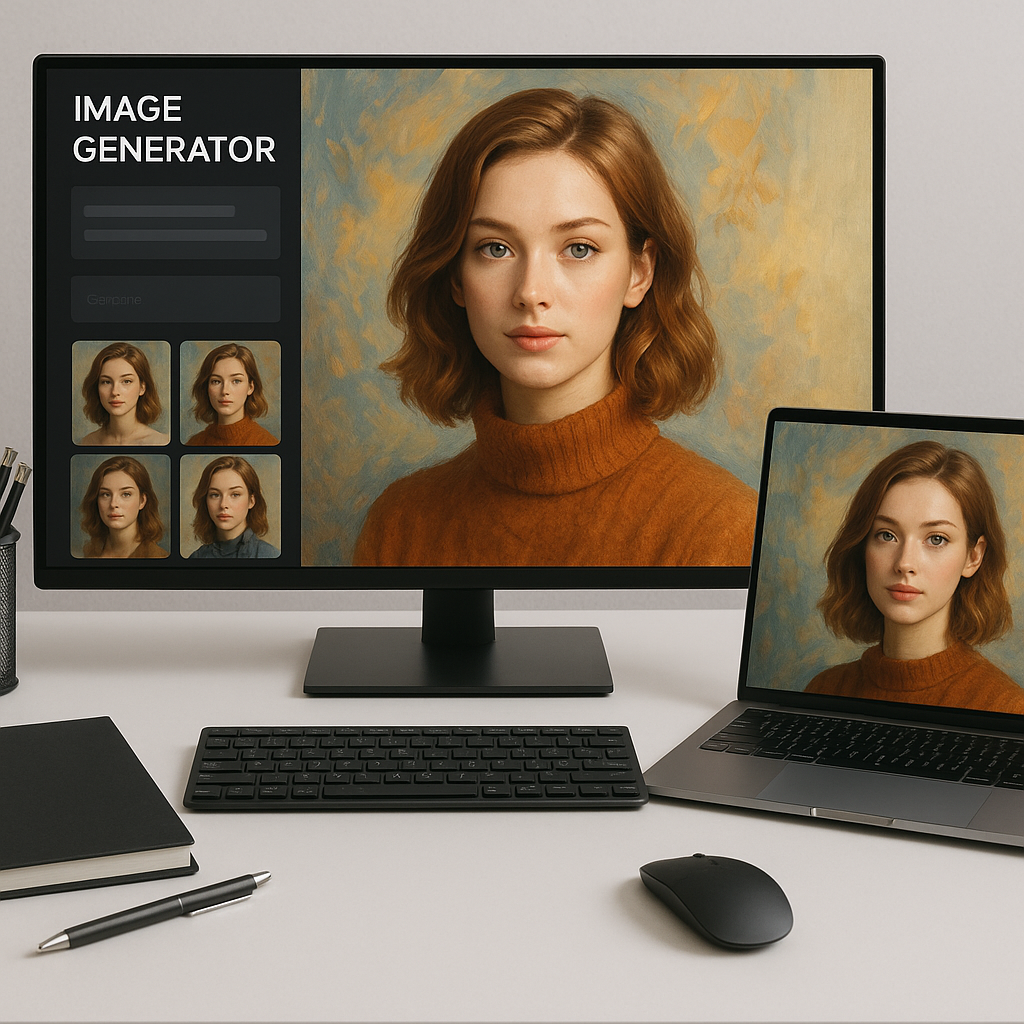
Image Generators
In recent years, the landscape of digital creativity has been revolutionised by the emergence of image generators. These sophisticated tools, powered by artificial intelligence (AI), have transformed how artists, designers, and even casual users create visual content. With a few simple text prompts, users can produce high-quality images that range from surreal landscapes to hyper-realistic portraits. This article delves into the mechanics, applications, and implications of image generation technology, exploring its effects on various sectors and the ethical discussions that accompany its rise.
At the core of image generators lies a technology known as Generative Adversarial Networks (GANs). This AI model consists of two neural networks—the generator and the discriminator—that work in tandem to produce images. The generator creates images from random noise, while the discriminator evaluates them against real images, providing feedback that helps the generator improve. Over time, this iterative process results in the generation of images that can be indistinguishable from those created by human artists. Recent advancements in GANs have resulted in more stable and higher-quality outputs, making them increasingly popular among both professionals and hobbyists.
The applications of image generators are vast and varied. In the creative industries, graphic designers and artists are leveraging these tools to brainstorm ideas, create concept art, or even produce final products. They can quickly generate multiple iterations of a design, experimenting with different styles, colours, and compositions without the labour-intensive process typically associated with traditional art-making. For instance, an illustrator might input a simple phrase, such as “a futuristic city at sunset,” and within seconds, receive an array of unique images reflecting that prompt.
Beyond the creative arts, image generators are making significant inroads into other sectors, including marketing, gaming, and even journalism. Companies are utilising AI-generated images for advertising campaigns, cutting costs and time associated with traditional photography and graphic design. In gaming, developers are increasingly using these tools to create expansive and varied environments, enhancing the user experience and making the development process more efficient. Meanwhile, news organisations are exploring the potential of AI-generated images to accompany articles, particularly in scenarios where real photographs are not available or feasible.
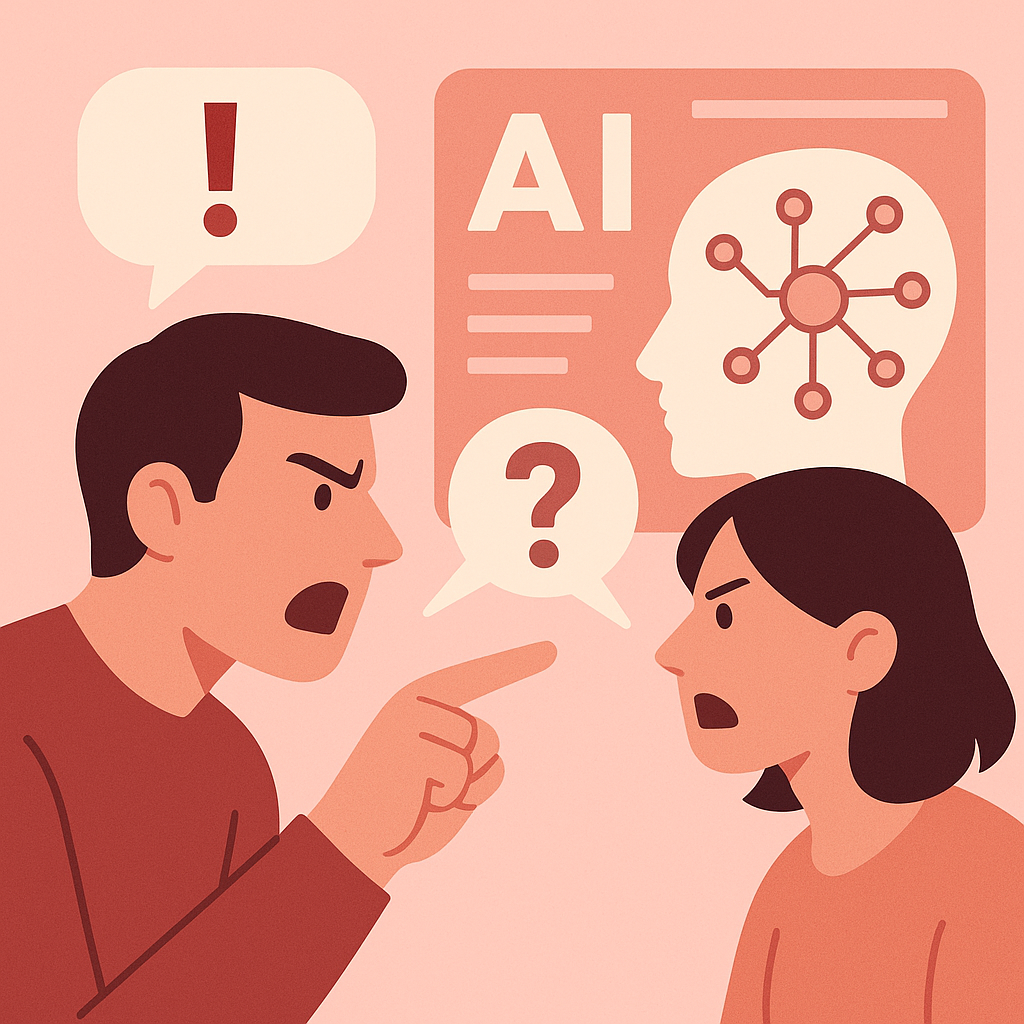
However, the rise of image generators is not without its challenges and controversies. One of the primary concerns revolves around copyright and intellectual property rights. As these AI systems learn from vast datasets, often composed of existing artworks, the question arises: who owns the images produced by AI? If a generator creates a piece that closely resembles an artist's style, does the original artist have any claim to that work? As the legal frameworks surrounding AI-generated content are still evolving, this issue remains a contentious topic within the creative community.
Another significant concern is the potential for misuse. Image generators can create hyper-realistic images that could be exploited for deceptive purposes, such as generating fake news or misleading visual content. In an era where misinformation can spread rapidly through social media, the ability to produce convincing but false images poses a threat to public trust and information integrity. This challenge has prompted calls for stricter regulations and ethical guidelines surrounding the use of AI in creative processes.
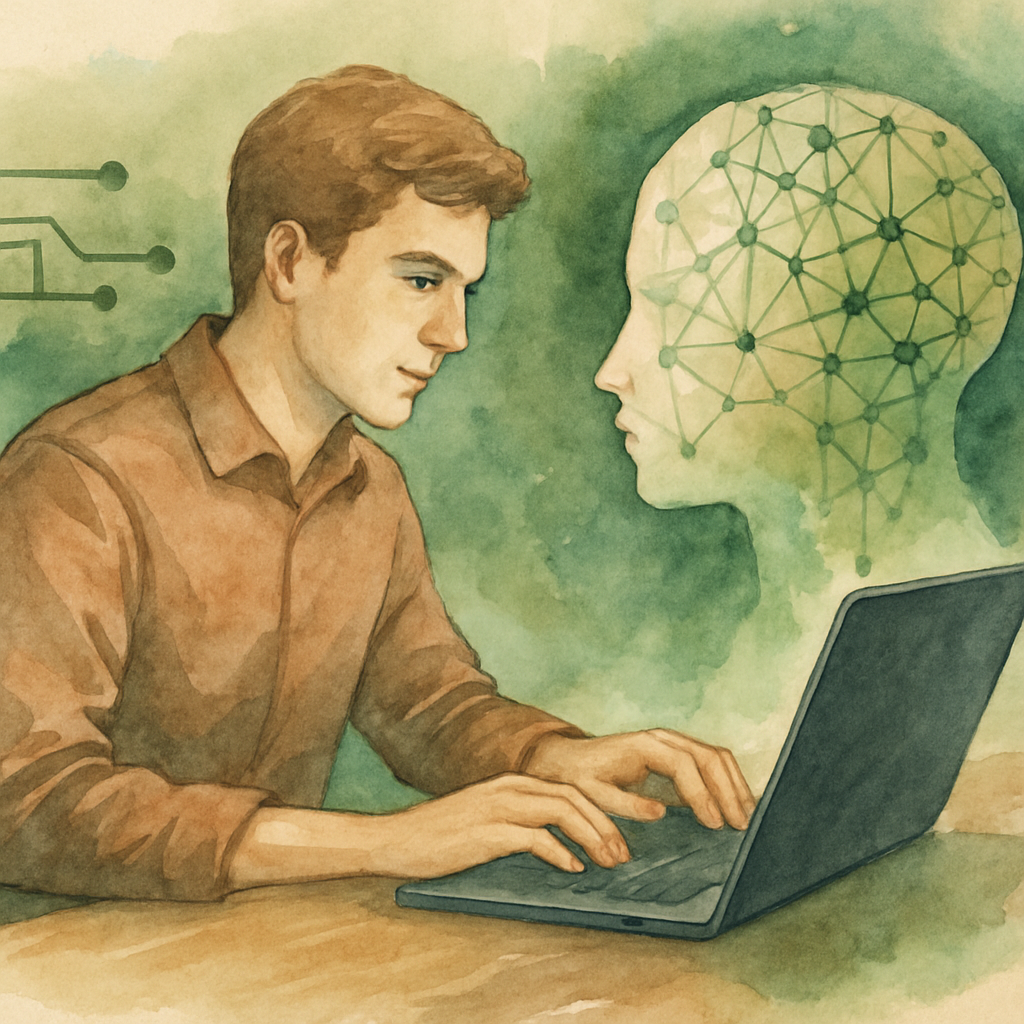
Despite these challenges, many artists and creators view image generators as powerful allies rather than adversaries. The tools can enhance human creativity, allowing artists to push the boundaries of their work and explore new creative territories. Some artists have embraced the technology, incorporating AI-generated elements into their pieces and even collaborating with AI to produce unique artworks. This fusion of human creativity and machine learning opens up fascinating possibilities, suggesting that rather than replacing artists, AI can serve as a complementary tool that expands their creative horizons.
The educational sector has also begun to recognise the potential of image generators. Art schools and institutions are incorporating AI technology into their curriculums, teaching students how to use these tools responsibly and effectively. This not only prepares the next generation of artists for a future where AI plays a significant role in creative industries but also fosters a critical understanding of the ethical considerations involved in using such technologies.
As we navigate this rapidly evolving landscape, it is essential for creators, technologists, and policymakers to engage in ongoing dialogues about the implications of image generation technology. Establishing ethical standards, ownership rights, and guidelines for responsible usage will be crucial in ensuring that this innovation benefits society while mitigating potential harms. Additionally, fostering a culture of collaboration between humans and AI can lead to new forms of artistic expression and innovation.
In conclusion, image generators represent a significant leap forward in the intersection of art and technology. With the power to create stunning visuals from mere text prompts, these AI tools are reshaping the creative landscape. While challenges regarding copyright, misuse, and ethical implications remain, the potential for positive collaboration between human creativity and artificial intelligence is immense. As we continue to explore this exciting frontier, the dialogue surrounding image generators will undoubtedly play a critical role in shaping the future of art and design.
Recent Posts
Maximum Potential
Отримайте повний досвід із планом Pro
ІНФОРМАЦІЯ