травень 7, 2026
Revolutionising Creativity: How Image Generators Are Transforming Digital Art
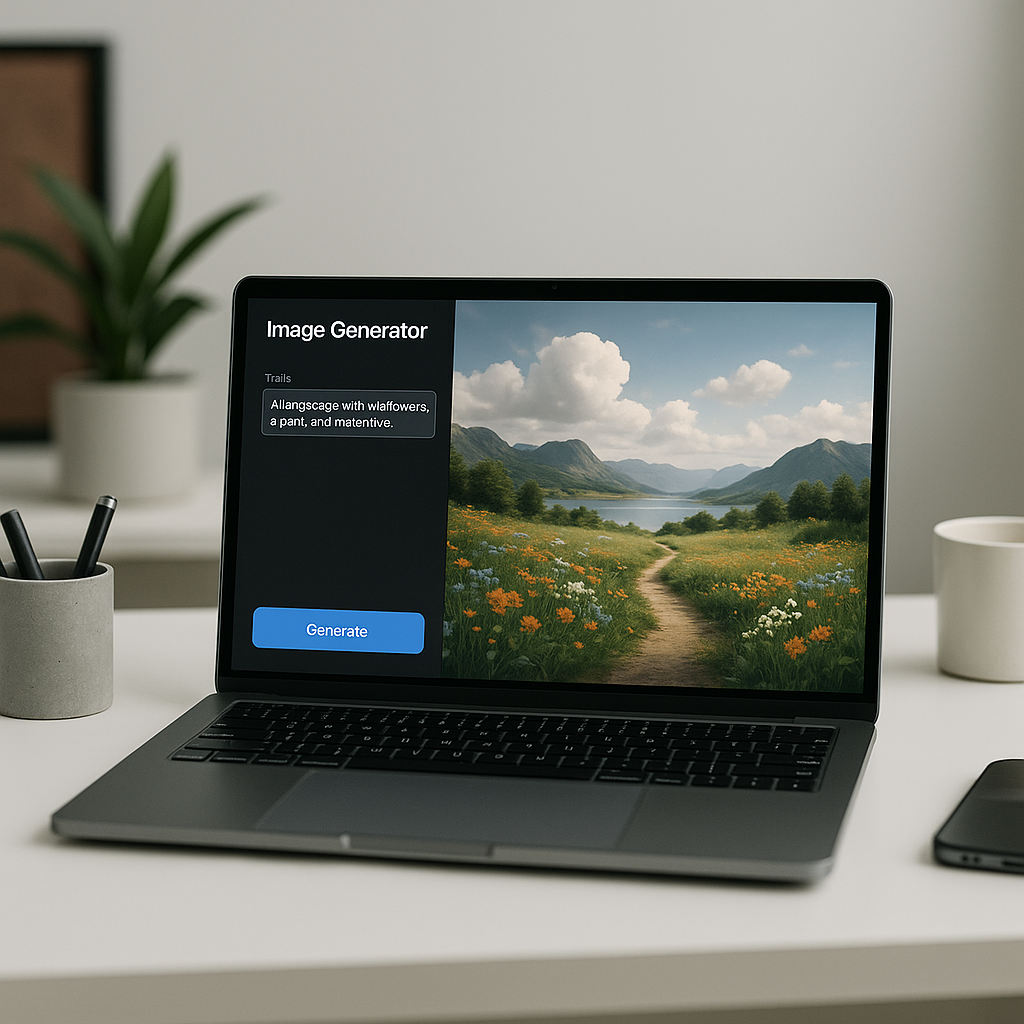
Image Generators
In recent years, the emergence of image generators has transformed the landscape of digital art and content creation. These sophisticated tools use artificial intelligence and deep learning algorithms to generate images from textual descriptions, offering both professionals and amateurs new avenues for creativity. As technology continues to advance, the implications of these tools for various industries become increasingly significant, sparking discussions about copyright, ethics, and the future of artistic expression.
At the core of image generation lies a branch of artificial intelligence known as Generative Adversarial Networks (GANs). This technology employs two neural networks that work in tandem: a generator that creates images and a discriminator that evaluates their authenticity. The generator learns to produce images that are increasingly indistinguishable from real ones, while the discriminator becomes better at distinguishing between generated and genuine images. This back-and-forth process allows GANs to produce remarkably realistic visuals, from portraits and landscapes to fantastical creatures.
Over the past few years, several platforms have emerged, enabling users to create images with ease. Notable examples include DALL-E, Midjourney, and Stable Diffusion. DALL-E, developed by OpenAI, gained considerable attention for its ability to create intricate images from simple text prompts. Users can input phrases such as "a two-headed flamingo wearing a top hat," and within moments, DALL-E generates striking images that reflect the request. Midjourney, on the other hand, has carved a niche in the artistic community, allowing users to create stylised visuals that blend various artistic influences. Stable Diffusion provides an open-source alternative, making image generation accessible to a broader audience, including developers and hobbyists eager to experiment with the technology.
As these tools gain popularity, they are increasingly being utilised across various sectors. In advertising and marketing, businesses are harnessing image generators to create unique visuals for campaigns, reducing the reliance on stock imagery and traditional graphic design. This not only saves time but also allows for a level of customisation previously unattainable without significant investment. In the realm of gaming and entertainment, developers use these tools to generate concept art and character designs, streamlining the creative process and enabling rapid prototyping of ideas.
Moreover, the education sector is seeing innovative applications of image generation technology. Educators are utilising these tools to create engaging visual content for teaching materials, making lessons more interactive and appealing to students. Art students and aspiring creators can experiment with these generators as a means to learn about composition, colour theory, and visual storytelling without the barriers of traditional art supplies. This democratization of art creation opens doors for aspiring artists who may not have had access to formal training or resources.
However, the rise of image generators is not without controversy. One of the most pressing concerns revolves around copyright issues. As these AI systems learn from vast datasets of existing images, questions arise regarding the ownership of the generated content. If an AI produces an image that closely resembles a copyrighted artwork, who holds the rights to that image? This ambiguity has led to heated debates among artists, legal experts, and technologists. Some artists feel threatened by the capabilities of AI, fearing that their work may be diluted or appropriated without proper credit or compensation.
Furthermore, ethical considerations accompany the use of AI-generated images. The potential for misuse is significant; for instance, generating misleading or harmful images could exacerbate the spread of misinformation. Deepfakes, a technology related to image generation, have already demonstrated the capacity to create realistic but entirely fabricated videos and images, raising alarms about their implications for privacy and trust in visual media.
In response to these challenges, various organisations and individuals are advocating for clearer guidelines and regulations surrounding the use of AI in creative fields. Some propose that creators should be able to opt out of having their work included in training datasets, while others suggest that AI-generated content should carry labels to indicate its origin. These measures aim to protect artists’ rights while still promoting innovation in the field.
As the technology matures, the future of image generators appears promising yet complex. Advances in machine learning may lead to even more sophisticated tools that can understand context and nuance in prompts, potentially pushing the boundaries of creativity further. The integration of augmented reality (AR) and virtual reality (VR) with AI-generated imagery opens up new possibilities for immersive experiences in gaming, education, and training.
Moreover, the increasing collaboration between human artists and AI poses intriguing questions about the nature of creativity itself. As artists begin to incorporate image generators into their workflows, a new genre of hybrid art may emerge, where the line between human and machine-made art blurs. This collaborative approach could redefine artistic expression, offering a fresh perspective on the role of the artist in an age dominated by technology.
In conclusion, image generators represent a significant leap forward in the realm of digital creation, offering exciting opportunities while also presenting notable challenges. As these tools become more prevalent, it is essential for stakeholders across industries to engage in meaningful dialogue about the implications of their use. Balancing the benefits of innovation with ethical considerations and artists’ rights will be crucial as we navigate the evolving landscape of AI in art. Ultimately, the conversation surrounding image generators is not just about technology; it is about the future of creativity itself and how we, as a society, choose to embrace it.
Recent Posts
Transform Your Creativity: The Rise of Image Generators in Digital Artistry
січень 28, 2026
Unlocking Creativity: How Image Generators are Revolutionising Digital Art in 20...
січень 27, 2026
Unleashing Creativity: How Image Generators Are Transforming Digital Art in 2023
січень 29, 2026
Maximum Potential
Отримайте повний досвід із планом Pro
ІНФОРМАЦІЯ