лютий 3, 2026
Revolutionising Creativity: How Image Generators are Transforming Digital Art
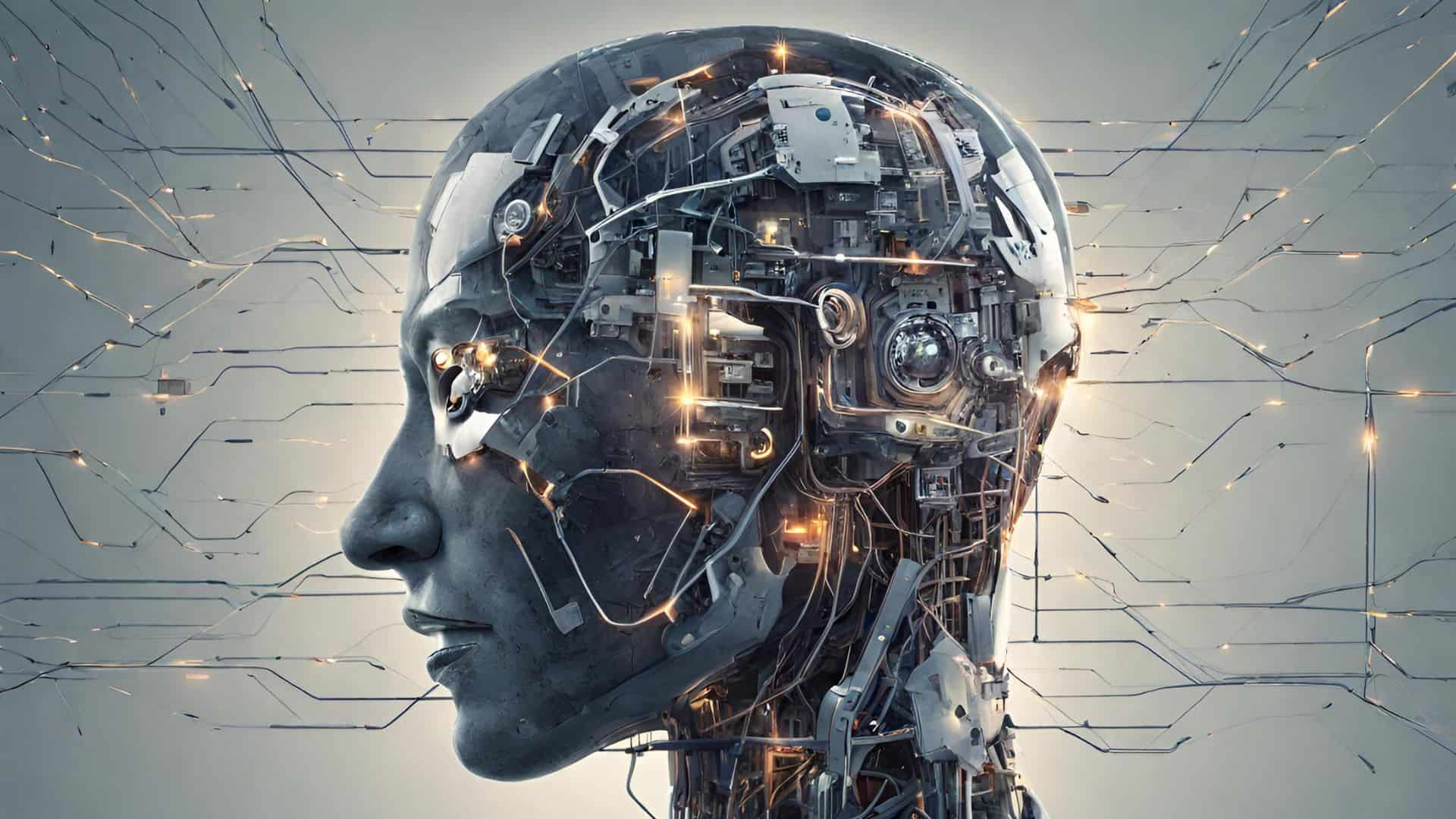
Image Generators
In recent years, image generators have emerged as a transformative force in the realms of art, design, and media, reshaping the way we create and perceive visual content. These sophisticated tools, powered by artificial intelligence (AI), can produce stunning images from textual descriptions, blurring the lines between human creativity and machine-generated art. As interest in these technologies grows, they raise important questions about the future of creativity, copyright, and the ethics surrounding AI-generated content.
At the heart of this technology lies machine learning, particularly deep learning algorithms that have been trained on vast datasets of images and associated textual descriptions. The most notable of these tools include OpenAI's DALL-E, Midjourney, and Stability AI's Stable Diffusion. These platforms allow users to input a simple text prompt, and within moments, they generate images that can range from realistic to fantastical. This remarkable capability has captured the imagination of artists, marketers, and even everyday users looking to create unique visual content.
One of the most significant advantages of image generators is their accessibility. Traditionally, creating high-quality visuals required a certain level of skill in graphic design or photography, often involving expensive software and equipment. However, with the advent of AI-driven image generators, anyone with an idea can produce professional-looking images with just a few clicks. This democratization of creativity has opened new avenues for expression, enabling individuals and small businesses to compete on a more level playing field with larger organisations that have access to extensive resources.
Moreover, the versatility of image generators has made them invaluable tools in various industries. In marketing, for instance, brands are leveraging these technologies to create engaging visuals for social media campaigns, advertisements, and promotional material. By generating custom images tailored to specific themes or target audiences, companies can enhance their marketing strategies while reducing costs associated with traditional graphic design.
In the realm of entertainment, image generators are being used to conceptualise characters, settings, and artwork for video games and films. Creatives can quickly visualise ideas, allowing for faster iterations in the design process. This not only accelerates production timelines but also fosters innovation, as artists can experiment with styles and concepts that may have been challenging to execute manually.
Despite the many benefits, the rise of image generators is not without controversy. A significant concern revolves around copyright and ownership of AI-generated content. When an image is created by an algorithm trained on thousands of existing artworks, questions arise about whether the resulting images infringe on the copyrights of the original creators. As the legal landscape struggles to keep pace with technological advancements, artists have voiced fears that their work could be appropriated without proper credit or compensation.
Furthermore, the potential for misuse of image generators cannot be overlooked. The ability to create hyper-realistic images has raised alarms about the spread of misinformation and deepfakes. In a world where images are often perceived as truth, the capacity to fabricate images that appear genuine poses significant risks, particularly in sensitive contexts such as politics and social issues. The challenge lies in finding a balance between harnessing the creative potential of these tools while mitigating their potential for harm.
As the technology continues to evolve, several organisations and companies are proactively addressing these challenges. For instance, many image generator platforms are implementing watermarking systems to help distinguish AI-generated images from human-created works. This initiative aims to foster transparency and allow audiences to discern the origins of visuals, ultimately helping to preserve the integrity of traditional art forms.
Moreover, discussions around ethical guidelines for the use of AI in creative fields are gaining traction. Industry leaders, artists, and policymakers are beginning to articulate standards for the responsible use of image generators, emphasising the importance of attribution, transparency, and respect for intellectual property. As these conversations progress, it is crucial for all stakeholders to engage in a dialogue that considers the diverse implications of this groundbreaking technology.
In addition to ethical considerations, the future of image generators points towards the potential for even more sophisticated applications. As AI continues to advance, we can expect to see improvements in the quality and creativity of generated images. Future iterations may incorporate user feedback, enabling these systems to learn and adapt to individual preferences, resulting in even more personalised outputs.
Furthermore, the integration of image generators with other AI technologies, such as natural language processing and augmented reality, could lead to entirely new forms of interactive experiences. Imagine a scenario where users can not only generate images but also immerse themselves in virtual environments that respond to their creative inputs in real time. The possibilities are indeed vast and exciting.
In conclusion, image generators represent a significant leap forward in the intersection of technology and creativity. While they offer remarkable opportunities for individuals and businesses alike, it is essential to navigate the accompanying challenges with care. As we embrace the potential of AI-generated imagery, a collaborative effort between technologists, artists, and policymakers will be vital in shaping a future where creativity thrives alongside ethical considerations. The journey of blending human imagination with artificial intelligence is just beginning, and it promises to be a transformative one for generations to come.
Recent Posts
Head-to-Head: Comparing Top AI Models in Работа с Нейросетями and Their Impact
червень 16, 2026
Debunking Myths: The Realities of Работа с Нейросетями and AI Models Today
червень 16, 2026
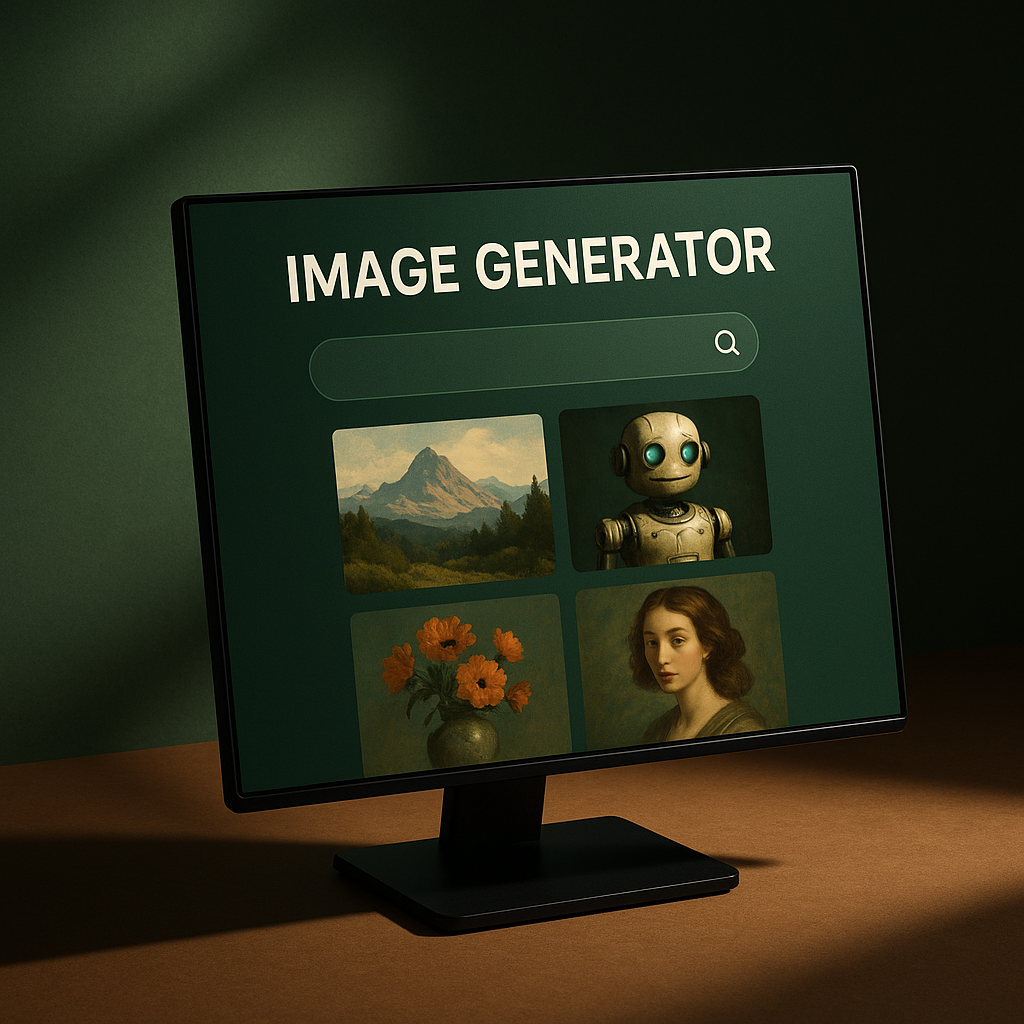
Unlocking Creativity: A Simple Guide to Using Image Generators for Beginners
червень 16, 2026
Maximum Potential
Отримайте повний досвід із планом Pro
ІНФОРМАЦІЯ