лютий 11, 2026
Revolutionising Creativity: How Image Generators Are Transforming Visual Art
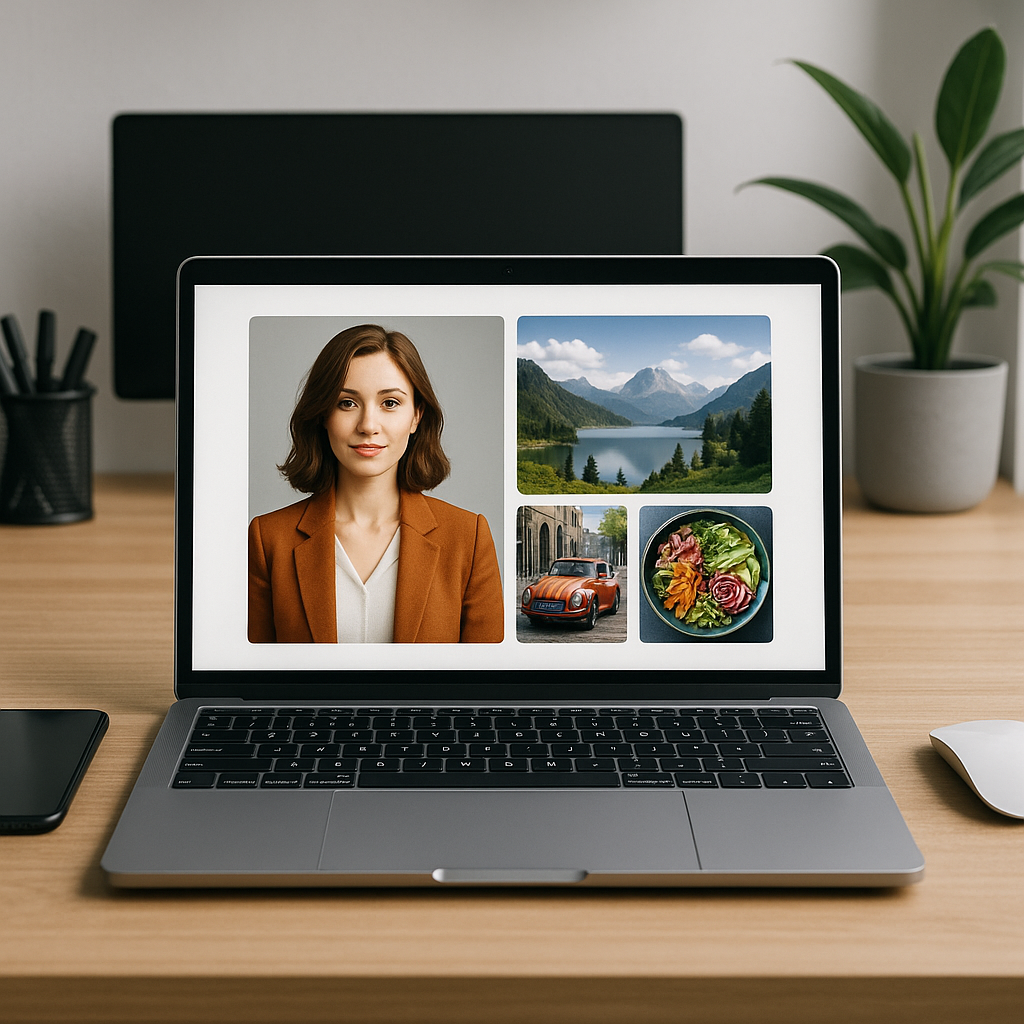
Image Generators
In recent years, the field of artificial intelligence has made remarkable strides, particularly in the realm of image generation. These advanced technologies, commonly referred to as image generators, have not only transformed how we create and interact with visual content but have also raised questions about copyright, creativity, and the future of digital artistry. As these tools become increasingly accessible, understanding their capabilities, implications, and applications is vital for both creators and consumers alike.
Image generators utilise deep learning algorithms, particularly generative adversarial networks (GANs) and diffusion models, to produce images based on textual prompts or other input data. The underlying technology involves two neural networks: one generates images while the other evaluates them. This dynamic fosters a competitive environment that leads to the continuous improvement of the generated outputs. The results can be strikingly realistic, ranging from photorealistic portraits to imaginative landscapes that exist solely in the digital realm.
One of the most notable advancements in this domain is OpenAI's DALL-E, a model that can create images from natural language descriptions. Launched in 2021, DALL-E captured the public's imagination by generating whimsical and surreal images that often blended disparate concepts in unexpected ways. Following its success, various other platforms emerged, including Midjourney and Stable Diffusion, each offering unique features and capabilities. These tools have democratized image creation, allowing individuals without formal artistic training to produce compelling visuals with just a few words.
The implications of these technologies extend far beyond personal use. In the creative industries, image generators are being embraced by graphic designers, marketers, and content creators who leverage these tools to enhance their workflow. For instance, advertising agencies can quickly generate visual concepts for campaigns, enabling rapid iteration and experimentation. Similarly, authors and game developers are using these systems to create illustrations and concept art, thus streamlining the production process and reducing costs.
However, the rise of image generators has also sparked a heated debate surrounding the concept of originality and authorship. Traditional artists express concern over the potential devaluation of their work as AI-generated images flood the market. The question of who owns an image generated by an AI model is just as contentious. If an artist inputs a specific prompt into an AI system and receives a unique image, does that artist hold copyright over the output? Or does the ownership lie with the developers of the AI? These unresolved questions pose significant challenges for policymakers and legal experts as they attempt to navigate the complex landscape of intellectual property rights in an age of AI.
Moreover, there are ethical considerations to ponder. Image generators can inadvertently perpetuate biases present in the data they were trained on. For example, if an AI model is trained predominantly on images of a certain demographic, it may struggle to represent other groups accurately and fairly. This limitation has prompted calls for more diverse datasets and better oversight in the training processes to ensure that AI-generated content is inclusive and representative.
In response to these concerns, some companies are implementing guidelines and restrictions on the use of their image generation technologies. For instance, OpenAI has established rules regarding the types of content that can be generated with DALL-E, prohibiting the creation of images that are hateful, harassing, or otherwise harmful. Such measures are crucial for fostering a responsible approach to AI usage, but they also raise questions about censorship and the balance between creativity and responsibility.
In addition to creative applications, image generators have potential uses in various sectors, including education, healthcare, and entertainment. In education, they can assist in visualising complex concepts, making learning more engaging for students. Healthcare professionals can use generated images to simulate patient scenarios, aiding in training for medical students. In entertainment, these tools are being explored for generating dynamic content in video games, offering players a more immersive experience.
Despite the many advantages, the technology is not without its limitations. The quality and accuracy of generated images can vary significantly, and there are instances where AI fails to capture the nuances of a prompt, resulting in bizarre or nonsensical outputs. Furthermore, generating images that require an understanding of context, emotion, or intricate details can be particularly challenging for AI systems. As a result, while these tools are powerful, they are best viewed as complementary to human creativity rather than replacements for it.
Looking to the future, the evolution of image generators is set to continue at a rapid pace. As technology advances, we can expect improvements in the realism and versatility of generated images. Moreover, as more people become familiar with these tools, new forms of artistic expression and collaboration will likely emerge, blending human creativity with machine learning in exciting ways.
In conclusion, image generators represent a fascinating intersection of technology and creativity, offering both opportunities and challenges. As they become increasingly integrated into various facets of society, it is essential for users, developers, and policymakers to engage in ongoing discussions about the ethical implications, ownership rights, and the role of AI in the creative process. By navigating these complexities thoughtfully, we can harness the full potential of image generation technology while preserving the value of human artistry in an ever-evolving digital landscape.
Recent Posts
Head-to-Head: Comparing Top AI Models in Работа с Нейросетями and Their Impact
червень 16, 2026
Debunking Myths: The Realities of Работа с Нейросетями and AI Models Today
червень 16, 2026
Unlocking Creativity: A Simple Guide to Using Image Generators for Beginners
червень 16, 2026
Maximum Potential
Отримайте повний досвід із планом Pro
ІНФОРМАЦІЯ