March 1, 2026
Revolutionizing Creativity: How Image Generators Are Transforming Digital Art
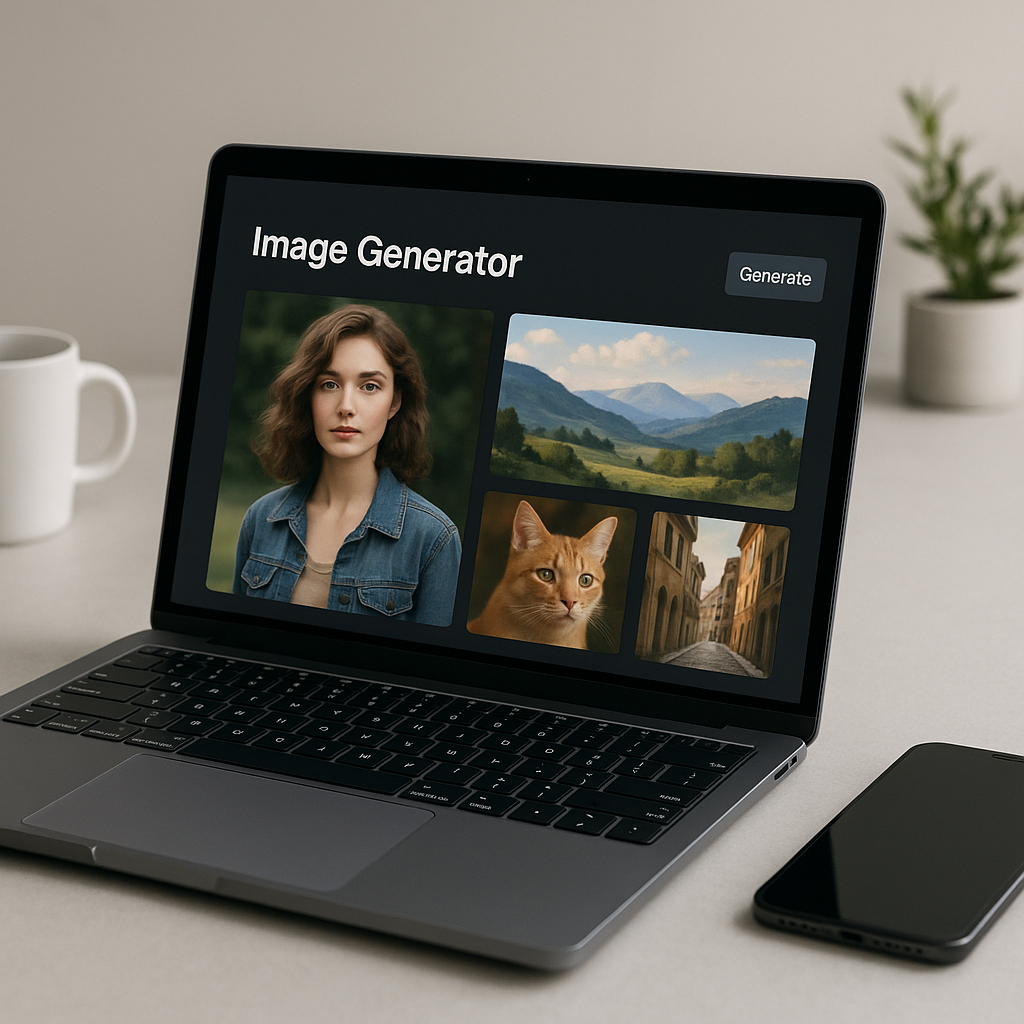
Image Generators
In recent years, the emergence of AI-driven image generators has transformed the landscape of digital art, marketing, and content creation. These innovative tools harness the power of machine learning and neural networks to create stunning visuals, often indistinguishable from those crafted by human hands. From generating realistic portraits to fantastical landscapes, these applications are revolutionizing how artists and businesses approach visual content.
At the heart of these generators is a technology known as Generative Adversarial Networks (GANs). Introduced in 2014 by Ian Goodfellow and his colleagues, GANs consist of two neural networks—the generator and the discriminator—that work in tandem. The generator creates images, while the discriminator evaluates them against a dataset of real images. Through this adversarial process, the generator learns to produce increasingly realistic images, leading to outputs that can sometimes be stunningly lifelike.
One of the most notable examples of an image generator is DALL-E, developed by OpenAI. This model is capable of creating images from textual descriptions, enabling users to visualize concepts that may not exist in reality. For instance, a user could input a phrase like "a two-headed flamingo wearing a crown," and DALL-E would generate a unique image based on that description. Such capabilities have sparked both excitement and concern in various fields, including art, advertising, and media.
Another prominent player is Midjourney, which has gained popularity for its ability to produce highly stylized and artistic images. Users can engage with Midjourney through a Discord server, where they can input commands and receive generated images in real time. The platform has become a favorite among artists and creators looking to explore new styles and ideas, as well as a playground for experimenters pushing the boundaries of visual creativity.
As these tools become more accessible, they have the potential to democratize art creation. Individuals without formal training in visual arts can now generate compelling images with little more than a few clicks. This accessibility opens the door for new voices and perspectives in art, allowing diverse creators to express their ideas and visions without the constraints of traditional artistic skills.
However, the rise of image generators is not without its controversies. One significant concern revolves around copyright and ownership. When a piece of art is generated by an AI, questions arise about who owns the rights to that image. Is it the user who provided the input, the developers of the AI, or the AI itself? These legal ambiguities present challenges as the technology continues to evolve and permeate various industries.
Moreover, the proliferation of AI-generated images raises ethical questions regarding authenticity and originality. In a world where anyone can create a stunning image in minutes, what does it mean for traditional artists? Some fear that the uniqueness of human creativity may be diluted in a landscape filled with algorithmically generated visuals. This concern is particularly poignant in fields such as advertising, where brands may opt for AI-generated content over commissioned works, potentially undermining the livelihoods of professional artists.
Furthermore, there is the issue of misuse. Image generators can be employed to create deepfakes or misleading visuals that can manipulate public perception. The ability to generate realistic images from simple prompts poses risks for misinformation, particularly in an age already grappling with the rapid spread of false narratives. As a result, developers of these technologies are increasingly called upon to implement safeguards and ethical guidelines to mitigate potential abuses.
Despite these challenges, the potential applications of image generators are vast and varied. In marketing and advertising, businesses can utilize these tools to create eye-catching visuals tailored to specific campaigns, enhancing consumer engagement without the need for extensive resources. In the realm of entertainment, filmmakers and game developers can leverage AI-generated imagery for concept art, storyboarding, and even real-time visual effects.
Education is another area ripe for innovation through image generators. In classrooms, educators can employ these tools to help students visualize historical events, scientific concepts, or literary works, fostering a more interactive and engaging learning environment. Additionally, art students can use image generators to experiment with styles and techniques, expanding their creative horizons.
The art world itself is adapting to the presence of AI-generated images. Galleries and exhibitions are beginning to showcase works created by algorithms, prompting discussions about the nature of art and creativity. Some curators and critics argue that AI-generated art challenges traditional notions of authorship and originality, while others view it as a new medium that complements human creativity rather than replacing it.
As we look to the future, the conversation around image generators will likely continue to evolve. With ongoing advancements in AI technology, we can expect even more sophisticated tools that push the boundaries of what is possible in visual art. Collaboration between human artists and AI will become increasingly common, with creators using these tools to enhance their work rather than replace it.
In conclusion, image generators represent a powerful intersection of technology and creativity, offering both opportunities and challenges. As these tools become more integrated into our daily lives, society must navigate the ethical, legal, and artistic implications of their use. Ultimately, the future of AI-generated imagery will depend on how we choose to embrace and regulate this burgeoning technology, ensuring that it serves as a force for innovation and inclusivity in the creative landscape.
Recent Posts
Breakthrough in Neural Networks: How New AI Models Revolutionize Global Tech
June 16, 2026
Head-to-Head: Comparing Neural Network Models and Their Impact on AI Work Today
June 16, 2026
New Breakthrough in Image Generators Promises to Revolutionize Artistic Expressi...
June 16, 2026
Maximum Potential
Get the full experience with Pro Plan
INFORMATION