June 1, 2026
The Great Image Generator Debate: Unpacking Controversies and Divided Opinions
Image Generators
The emergence of image generators powered by artificial intelligence has sparked a heated debate among artists, technologists, and ethicists. These innovative tools use complex algorithms to create images based on textual descriptions, enabling users to generate illustrations, artworks, and even photorealistic images with unprecedented ease. While proponents celebrate the democratization of art creation and the potential for new forms of expression, critics warn against the ethical implications and economic consequences for human artists. This article delves into the controversy surrounding image generators, presenting arguments from both sides.
Understanding Image Generators
Image generators are sophisticated AI systems that utilize deep learning techniques to produce images from text prompts. Tools such as DALL-E, Midjourney, and Stable Diffusion have gained popularity for their ability to interpret language and generate coherent visual representations. Users input a phrase or description, and in mere seconds, the AI curates an array of images that match the request. The technology’s rapid advancement raises questions about creativity and ownership in an increasingly digital world.
The Case for Image Generators
Advocates for image generators argue that these tools represent a significant leap forward in accessibility and creativity. Here are some key points in favor of this technology:
- Democratization of Art: Image generators lower barriers to entry for individuals interested in art creation. Those without formal training can now experiment with visual design, leading to a more diverse range of artistic voices entering the scene.
- Enhanced Creativity: Many artists view image generators as collaborative tools rather than replacements. They can serve as sources of inspiration or help overcome creative blocks by providing new perspectives on ideas or themes.
- Economic Opportunities: Businesses can leverage image generation technology to create marketing materials quickly and cost-effectively. This efficiency can lead to new business models centered around rapid content production.
- Innovative Applications: Beyond traditional art, these technologies offer applications in various fields such as gaming, advertising, and even education. Unique visuals generated on demand can enhance user engagement across platforms.
The Argument Against Image Generators
On the flip side of this debate are those who express concern over the potential ramifications of AI-generated imagery. Their arguments revolve around several critical issues:
- Impact on Human Artists: Many creators fear that widespread use of image generators will devalue their work. As businesses opt for cheaper AI solutions over hiring skilled professionals, traditional artists may struggle to find opportunities or earn fair compensation.
- Cultural Appropriation Concerns: Critics point out that AI systems often draw from vast datasets that may include cultural symbols or styles without proper context or credit. This raises ethical questions about representation and ownership within artistic domains.
- Lack of Accountability: When an AI generates an artwork that causes offense or controversy—say through misrepresentation or inappropriate themes—determining accountability can be complex since no human creator is directly responsible.
- Censorship Risks: Some worry about how AI may reflect biases embedded in its training data, potentially perpetuating stereotypes or generating harmful imagery inadvertently.
A Q&A with Experts: Addressing Key Concerns
The discussion surrounding image generators is complex and multifaceted. To further explore this controversy, we gathered insights from industry experts.
Q: What do you see as the primary benefit of using image generators?
A: “The most significant advantage is accessibility,” says Dr. Emily Parsons, an art educator specializing in digital technologies. “These tools empower people who might not have access to traditional art education to express their ideas visually.”
Q: How do you respond to concerns regarding job displacement for traditional artists?
A: “It’s essential to recognize that while there may be some displacement initially,” explains Mark Chen, a digital artist and advocate for mixed-media approaches, “there will also be emerging markets created by these technologies where collaboration could become more commonplace.”
Q: Are there measures we can implement to ensure ethical usage of these tools?
A: “Absolutely,” says Naomi Rivers, an ethicist focusing on AI development. “We need clear guidelines on data sourcing for training models along with mechanisms for crediting artists whenever their work influences generated content.” A framework emphasizing transparency could aid both creators' rights and technological advancement.
Q: How do you foresee the future landscape evolving with regard to image generation?
A: Mark Chen states optimistically that “the future will likely see a hybrid approach where human input is vital alongside AI innovation—a blend where technology complements rather than replaces humanity.”
Navigating Forward: Finding Common Ground
The discourse around image generators remains contentious but highlights a broader conversation about technology's role in society—especially concerning art and creativity. As advancements continue at a breakneck pace, it becomes crucial for stakeholders involved—artists, technologists, policymakers—to engage constructively with one another.
This dialogue should focus on creating frameworks that allow innovations while safeguarding individual rights within artistic communities. Education about these technologies will also play a vital role; understanding how they work could assuage fears while promoting responsible usage among aspiring creators.
The outcome hinges not only on technological developments but also our collective societal approach toward integrating them into our cultural fabric responsibly—balancing innovation against preservation remains key as we advance into uncharted territories within creative realms shaped increasingly by artificial intelligence.
Recent Posts
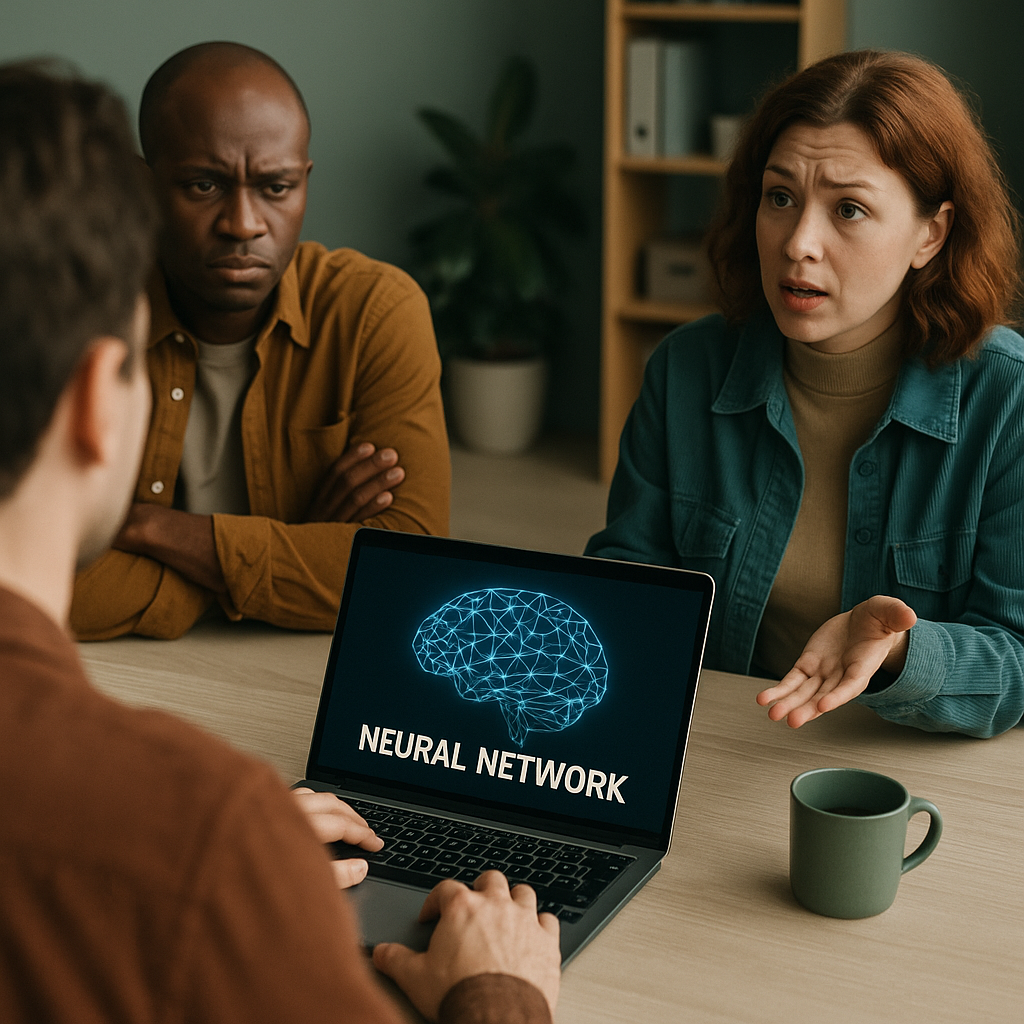
Debate Unfolds: The Polarizing Perspectives on Working with Neural Networks in A...
June 1, 2026
A Comprehensive Head-to-Head Comparison of Neural Network Work and AI Models
June 1, 2026
Unlocking Creativity: A Beginner’s Guide to Easy-to-Use Image Generators
June 1, 2026
Maximum Potential
Get the full experience with Pro Plan
INFORMATION