June 1, 2026
Unlocking Creativity: A Beginner’s Guide to Easy-to-Use Image Generators
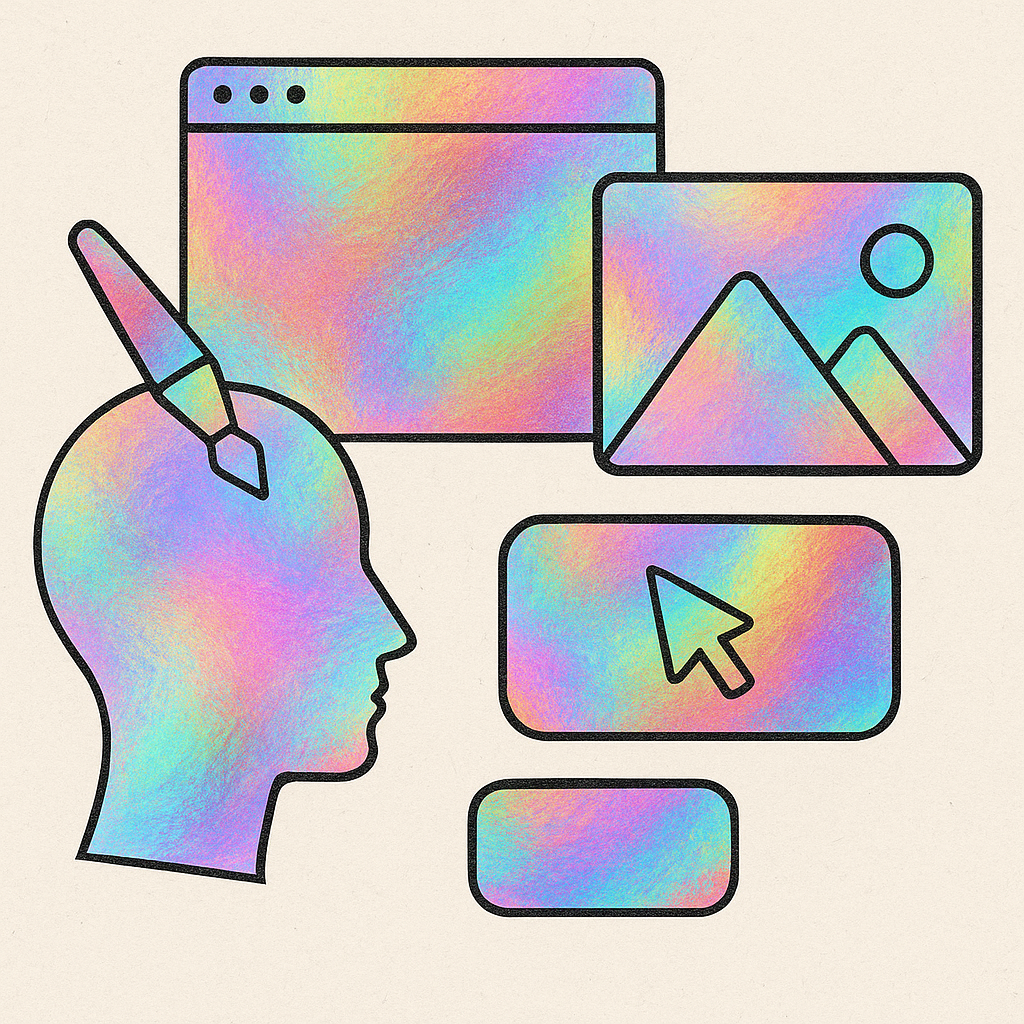
Image Generators
Image generators have become increasingly popular in recent years, transforming the way we create and interact with visual content. These tools use advanced technology to produce images based on text descriptions or other inputs. For anyone new to this fascinating world, understanding how image generators work and what they can do is essential. This article will explain image generators in simple terms, guiding you through their operation, applications, and future potential.
What Are Image Generators?
At their core, image generators are computer programs that create images from scratch. They analyze the information provided to them—often a descriptive phrase—and turn it into a unique visual representation. Imagine telling an artist to paint a scene based on your words; similarly, an image generator interprets your input to produce digital artwork.
These tools utilize a type of artificial intelligence called machine learning. Machine learning allows computers to learn from vast amounts of data, which in this case includes millions of images and their corresponding descriptions. As the machine learns from these examples, it becomes better at creating new images that match given prompts.
How Do Image Generators Work?
The process behind generating an image typically involves several steps:
- User Input: The user provides a description or prompt detailing what they want to see. This could be anything from “a sunny beach” to “a futuristic cityscape.”
- Text Processing: The image generator analyzes the input text using natural language processing (NLP), which helps the program understand the meaning and context of each word.
- Image Creation: Using its learned knowledge, the generator starts creating an image pixel by pixel, combining colors, shapes, and textures that align with the description.
- Refinement: Many generators can refine their creations based on feedback or through multiple iterations until they produce an image that satisfies the initial prompt.
This entire process happens quickly—sometimes within seconds—allowing users to see their ideas come to life almost instantly.
The Different Types of Image Generators
There are several types of image generators available today, each with unique features and capabilities:
- Text-to-Image Generators: These are the most common type and create images based solely on descriptive text prompts. Popular examples include OpenAI's DALL-E and Midjourney.
- Style Transfer Tools: These programs take existing images and apply artistic styles to them. For instance, you might upload a photo and transform it into something resembling Van Gogh’s painting style.
- Interactive Image Generators: Some platforms allow users to manipulate certain aspects of generated images by adjusting parameters like color saturation or element placement in real-time.
Applications of Image Generators
The versatility of image generators means they can be applied across various fields:
- Art and Design: Artists can use these tools for inspiration or as part of their creative process, enabling them to explore different styles quickly.
- Marketing: Businesses can generate unique visuals for advertising campaigns without needing extensive graphic design skills or resources.
- E-commerce:E-commerce platforms benefit from generating product images based on descriptions rather than always relying on photographs.
- < strongEducation:Your teachers can utilize image generators in classrooms for educational materials that illustrate concepts visually.
This diverse range of applications showcases how powerful these tools are in boosting creativity and efficiency across multiple sectors.
< strong>The Future of Image Generators
The future looks bright for image generators as technological advancements continue. Here are some trends we might expect to see:
- < strong>Larger Databases: As more images become available online, future generations will have access to larger databases for training purposes—improving accuracy further than ever before.< / li >
- < strong>User Customization: Developers may incorporate greater customization options so users can tweak details about generated images more easily.< / li >
- < strong>Crossover Features: Expect deeper integration with other technologies like Augmented Reality (AR) or Virtual Reality (VR) allowing immersive experiences fueled by generated visuals.< / li >
- < strong>Sustainability Focus: As awareness grows about ethical concerns surrounding AI usage—such as copyright issues—we may see innovations aimed at creating sustainable practices around generation techniques.< / li >
This evolution highlights not only how far we’ve come but also where we’re going regarding visual content creation!
< strong>Your Questions Answered: Common Queries About Image Generators
- < strong>Aren't Generated Images Just Copies?
- No! While they may resemble existing artworks due to similar features learned during training—the actual creations produced are entirely new compositions crafted by algorithms interpreting user prompts!< / dd >
- < strong >Are There Any Costs Involved?
- Some platforms offer free trials with limited functionality; however, others require subscriptions or one-time payments depending on usage levels desired.< / dd >
- < strong >Can I Use These Images Commercially?
- Each platform has its own licensing agreements—always check terms before utilizing generated artwork commercially!< / dd >
The advent of image generators signifies a thrilling new chapter in art creation powered by technology! With easy accessibility alongside increased user engagement—we're only beginning our journey exploring limitless possibilities offered through blending creativity with innovation!
Recent Posts

Debate Unfolds: The Polarizing Perspectives on Working with Neural Networks in A...
June 1, 2026

A Comprehensive Head-to-Head Comparison of Neural Network Work and AI Models
June 1, 2026
The Great Image Generator Debate: Unpacking Controversies and Divided Opinions
June 1, 2026

Maximum Potential
Get the full experience with Pro Plan
INFORMATION