лютий 28, 2026
Unleashing Creativity: How Image Generators Are Revolutionising Digital Art
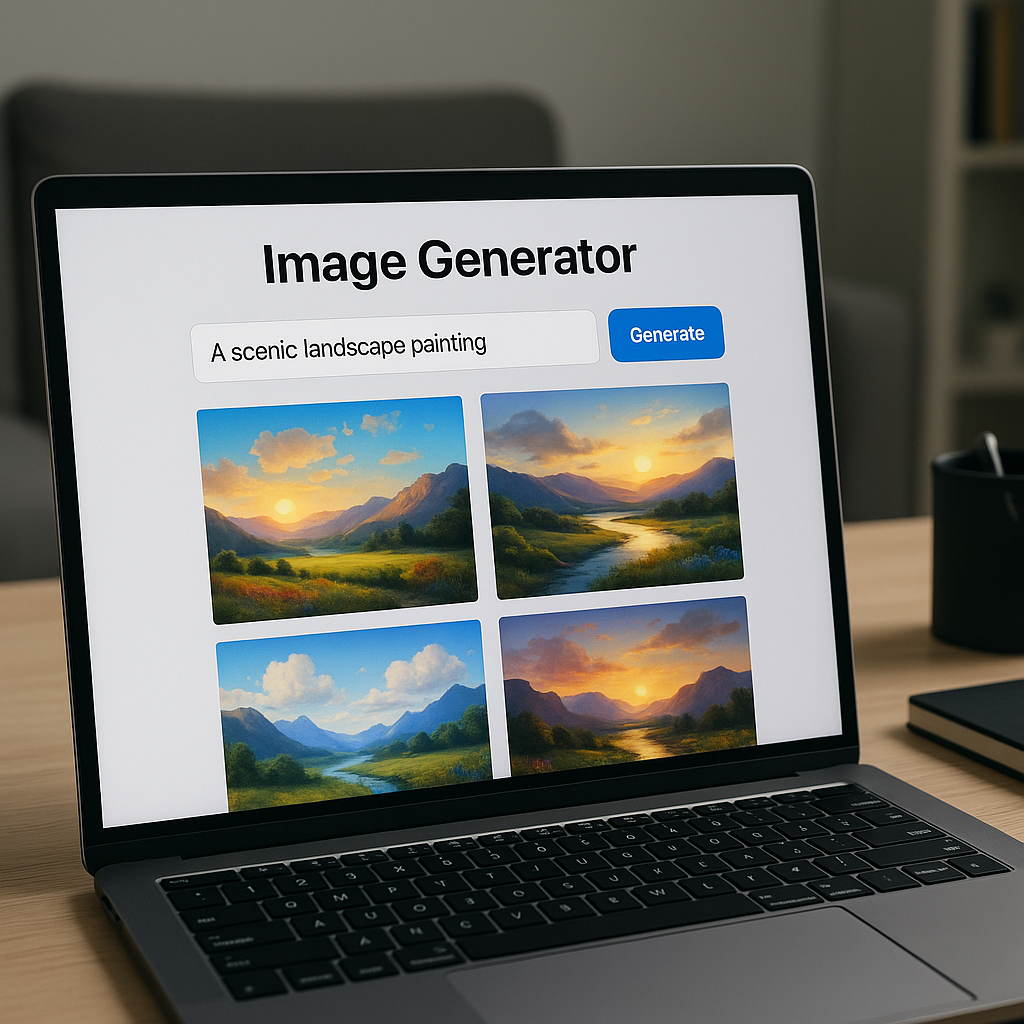
Image Generators
In recent years, image generators have emerged as a transformative force in the world of digital creativity, revolutionising how we conceptualise, create, and interact with visual content. From artists and designers to marketers and educators, these sophisticated tools are redefining the boundaries of imagination, enabling users to produce high-quality images with minimal effort and no prior artistic skills. As artificial intelligence continues to evolve, the capabilities of these generators grow exponentially, making them both a boon and a challenge for various industries.
At the core of image generation technology lies deep learning, a subset of machine learning that employs neural networks to analyse vast datasets. By training on millions of images and their corresponding descriptions, image generators can learn to understand and replicate visual styles, objects, and even abstract concepts. This process has led to the development of several notable platforms, including DALL-E, Midjourney, and Stable Diffusion, each with its unique features and user interfaces.
DALL-E, developed by OpenAI, has garnered significant attention for its ability to generate highly detailed images from textual descriptions. Users can input prompts as simple as "a cat wearing a hat" or as complex as "a futuristic cityscape at sunset," and DALL-E will produce multiple variations of images that closely align with the provided descriptions. This capability not only showcases the power of AI in understanding language but also highlights its potential to inspire creativity across various fields.
Midjourney, another frontrunner in the image generation space, takes a slightly different approach. Operating primarily through Discord, it allows users to interact with the AI in a community-driven environment. Artists and hobbyists alike can share their creations, seek feedback, and collaborate on projects, fostering a sense of belonging within the digital art community. Midjourney’s unique aesthetic often leans towards surrealism, appealing to those who seek to explore the boundaries of conventional art.
Stable Diffusion, a product of Stability AI, has also made waves in the industry by offering an open-source alternative to its competitors. This accessibility encourages users to experiment and create without incurring costs, democratizing the art of image generation. Stable Diffusion allows users to run the model on local machines, providing more control over their creative processes and protecting intellectual property rights. The open-source nature of this platform has sparked a surge of innovation, as developers and artists contribute to its evolution.
The implications of image generators extend far beyond the realm of art. In marketing, for instance, companies are leveraging these tools to create captivating visuals for advertisements and social media campaigns. By generating tailored images that resonate with target audiences, businesses can enhance their branding efforts and engage customers more effectively. The speed at which these images can be produced also allows for rapid iteration, enabling marketers to test different concepts and strategies without the high costs associated with traditional photography or graphic design.
Education is another sector where image generators are making a significant impact. Educators are beginning to harness these tools to create customised learning materials, from visual aids to illustrations that align with specific lesson plans. This not only enhances the learning experience but also encourages students to explore their creativity by using image generators for projects and presentations. The ability to generate visuals on demand can cater to diverse learning styles, making education more inclusive and engaging.
Despite the myriad advantages offered by image generators, the technology is not without its challenges. One of the most pressing concerns is the ethical implications of using AI-generated images. Issues surrounding copyright and ownership are becoming increasingly complex as artists grapple with the potential of having their styles mimicked by AI. In some cases, image generators have been accused of appropriating existing artworks without proper attribution, raising questions about the originality and authenticity of AI-generated content.
Moreover, the potential for misuse of image generators is a significant concern. The ability to create realistic images can be weaponised for disinformation campaigns, deepfakes, and other malicious activities that can undermine trust in digital media. As the technology becomes more accessible, the risk of creating misleading content increases, prompting calls for regulations and ethical guidelines to ensure responsible use.
Conversations around the future of image generators are ongoing, with many experts advocating for a balance between innovation and ethical considerations. As the technology continues to evolve, it will be crucial for stakeholders—including developers, artists, and policymakers—to collaborate on developing frameworks that protect creators' rights while fostering creativity and innovation.
Looking ahead, the potential applications for image generators are virtually limitless. As advancements in AI and machine learning continue to unfold, we can expect to see even more sophisticated image generation tools that push the boundaries of creativity. From augmented reality experiences to personalised content in the metaverse, the intersection of technology and art will continue to flourish.
In conclusion, image generators represent a fascinating evolution in digital artistry and creativity. While they present exciting opportunities for various industries, they also raise important ethical considerations that must be addressed. As we navigate this new frontier, the dialogue surrounding the responsible use of these powerful tools will be essential in shaping the future of visual content creation.
Recent Posts
Head-to-Head: Comparing Top AI Models in Работа с Нейросетями and Their Impact
червень 16, 2026
Debunking Myths: The Realities of Работа с Нейросетями and AI Models Today
червень 16, 2026
Unlocking Creativity: A Simple Guide to Using Image Generators for Beginners
червень 16, 2026
Maximum Potential
Отримайте повний досвід із планом Pro
ІНФОРМАЦІЯ