квітень 4, 2026
Unleashing Creativity: How Image Generators are Revolutionising Digital Art
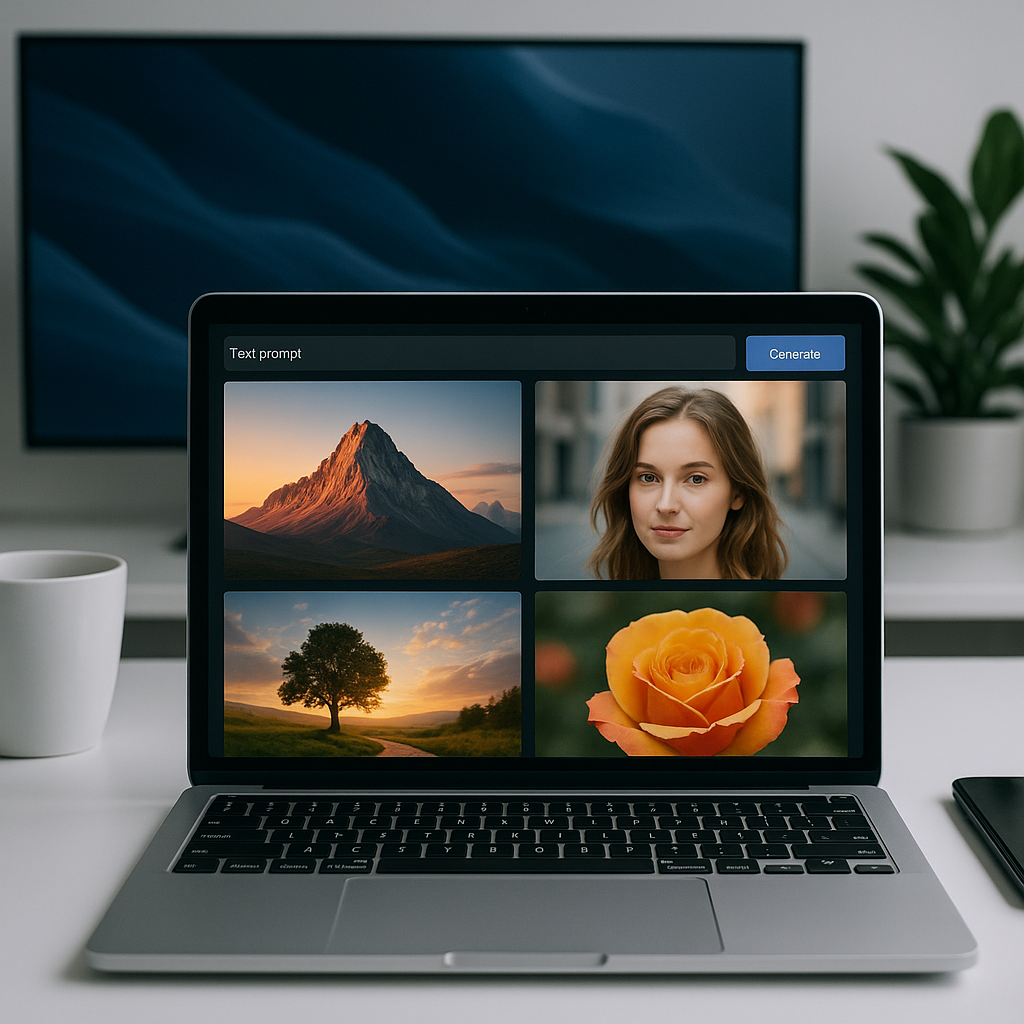
Image Generators
In recent years, image generators have emerged as a revolutionary force in the realm of digital art and design, captivating both professionals and hobbyists alike. These sophisticated tools utilise advanced algorithms and artificial intelligence to create visually stunning images from simple text prompts or existing images. As technology continues to evolve, the implications of these tools are becoming increasingly profound, sparking discussions about creativity, originality, and the future of artistic expression.
At the heart of the image generation revolution is a subset of artificial intelligence known as generative adversarial networks (GANs). These neural networks consist of two primary components: a generator and a discriminator. The generator creates images, while the discriminator evaluates them, determining whether they appear realistic. Through this iterative process, the generator learns to produce increasingly convincing images that can mimic the intricacies of human creativity.
One of the most notable examples of an image generator is DALL-E, developed by OpenAI. This tool allows users to input descriptive phrases, which the system then translates into unique, high-quality images. DALL-E can produce a wide range of styles, from photorealistic portraits to whimsical illustrations, showcasing the versatility of AI in the creative field. Similar tools, such as Midjourney and Stable Diffusion, have also gained popularity, each with its unique features and capabilities, making the landscape of image generation increasingly competitive.
The accessibility of these tools has democratised art creation, allowing individuals with little to no artistic training to produce compelling visuals. This shift is particularly evident in the realm of social media, where users leverage image generators to create eye-catching content for platforms like Instagram and TikTok. The ease of use and the instant gratification provided by these tools have led to an explosion of creativity, with users experimenting and sharing their creations at an unprecedented scale.
However, the rise of image generators has also sparked a heated debate surrounding originality and copyright issues. As these tools learn from vast datasets of existing artwork, questions arise about the extent to which the images they produce can be considered original. Critics argue that AI-generated art lacks the emotional depth and personal touch that human artists bring to their work. Proponents, on the other hand, suggest that these tools can serve as a new medium for artistic expression, enhancing rather than replacing human creativity.
In addition to ethical concerns, there are practical implications for industries reliant on visual content. The advertising, gaming, and entertainment sectors have begun to explore the potential of image generators to streamline the creative process. By generating high-quality images quickly, companies can reduce costs and time associated with traditional design methods. This efficiency is particularly appealing in a fast-paced digital world, where the demand for fresh content is relentless.
Moreover, image generators are not limited to static images. Innovations in the field have led to the development of tools capable of creating animations, 3D models, and even virtual environments. This expansion opens new avenues for interactive media and virtual reality experiences, allowing creators to immerse audiences in imaginative worlds that were once confined to the realm of science fiction.
Educational institutions are also beginning to integrate image-generating technology into their curricula. Art and design students are encouraged to experiment with these tools, exploring the intersection of technology and creativity. Workshops and courses focusing on AI art generation are becoming more common, equipping the next generation of artists with the skills to navigate a rapidly changing landscape.
Despite the excitement surrounding image generators, it is essential to approach this technology with a critical eye. The potential for misuse is significant, particularly regarding deepfakes and misinformation. The ability to create hyper-realistic images can lead to the spread of false narratives, posing challenges for media literacy and public trust. As such, developers and policymakers must work together to establish ethical guidelines and safeguards to mitigate these risks.
Furthermore, the environmental impact of AI technology cannot be overlooked. Training large-scale models requires substantial computational power, leading to concerns about the carbon footprint associated with AI-generated art. As the industry evolves, there is a growing call for sustainable practices and energy-efficient technologies to minimise the environmental consequences of these advancements.
As we look to the future, the landscape of image generation is likely to continue evolving. The integration of AI in the creative process will undoubtedly shape the way we think about art and design. While some may view image generators as a threat to traditional artistic skills, others see them as a powerful tool for enhancing creativity, pushing the boundaries of what is possible.
In conclusion, image generators represent a fascinating intersection of technology and creativity. They have the potential to democratise art, streamline creative processes, and inspire new forms of expression. However, as this technology continues to develop, it is imperative to engage in thoughtful discussions about its implications for originality, copyright, and ethical use. By doing so, we can harness the power of image generators to enrich our artistic landscape while addressing the challenges they present.
Recent Posts
Transform Your Creativity: The Rise of Image Generators in Digital Artistry
січень 28, 2026
Unlocking Creativity: How Image Generators are Revolutionising Digital Art in 20...
січень 27, 2026
Unleashing Creativity: How Image Generators Are Transforming Digital Art in 2023
січень 29, 2026
Maximum Potential
Отримайте повний досвід із планом Pro
ІНФОРМАЦІЯ